
Day Trips from Hiroshima: Onomichi, Miyajima & Kurashiki
Plan 1: Onomichi – Temples, Cats, and Retro Townscapes
🚆 How to Get There from Hiroshima
From Hiroshima Station, take the JR Sanyō Line Local to Onomichi Station (about 1 hr 20 min). JR Pass is valid.
10:00 – Temple Walk (Onomichi Temple Route)
Why Visit:
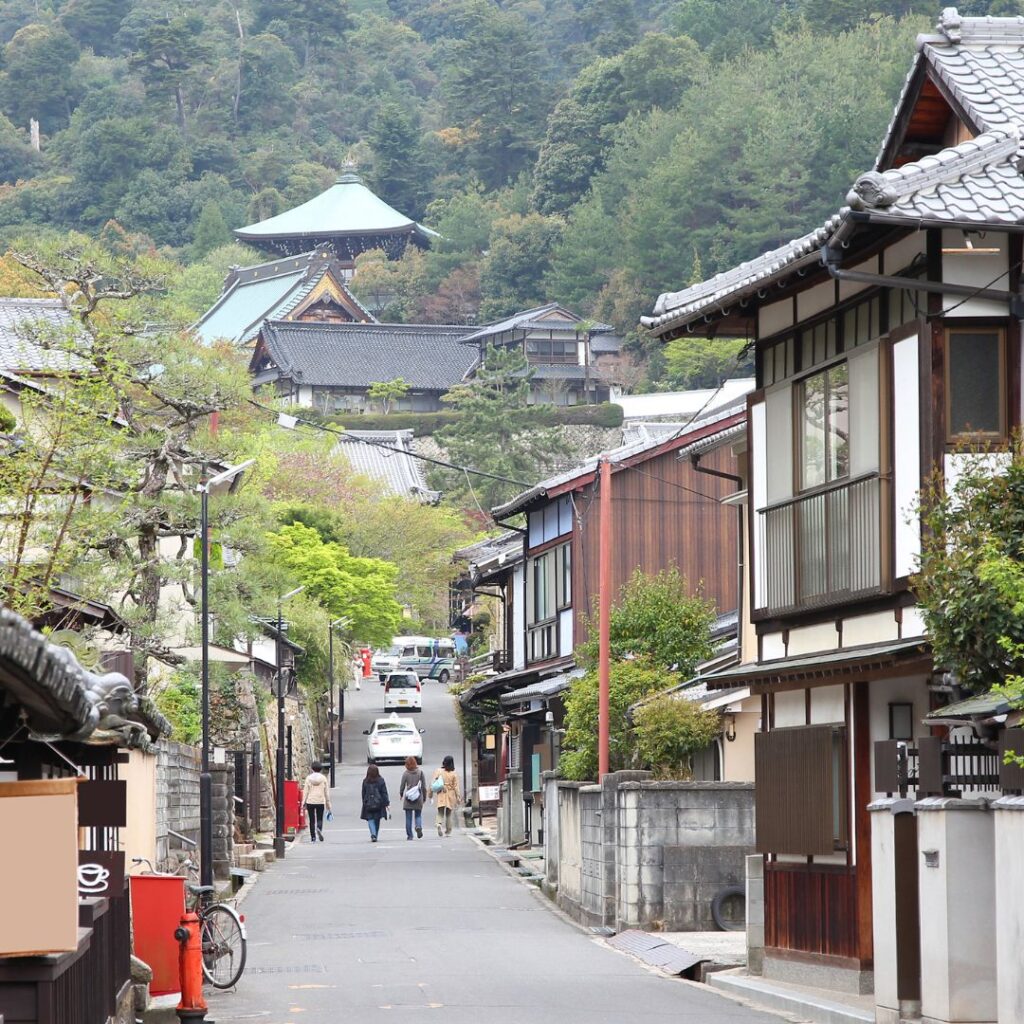
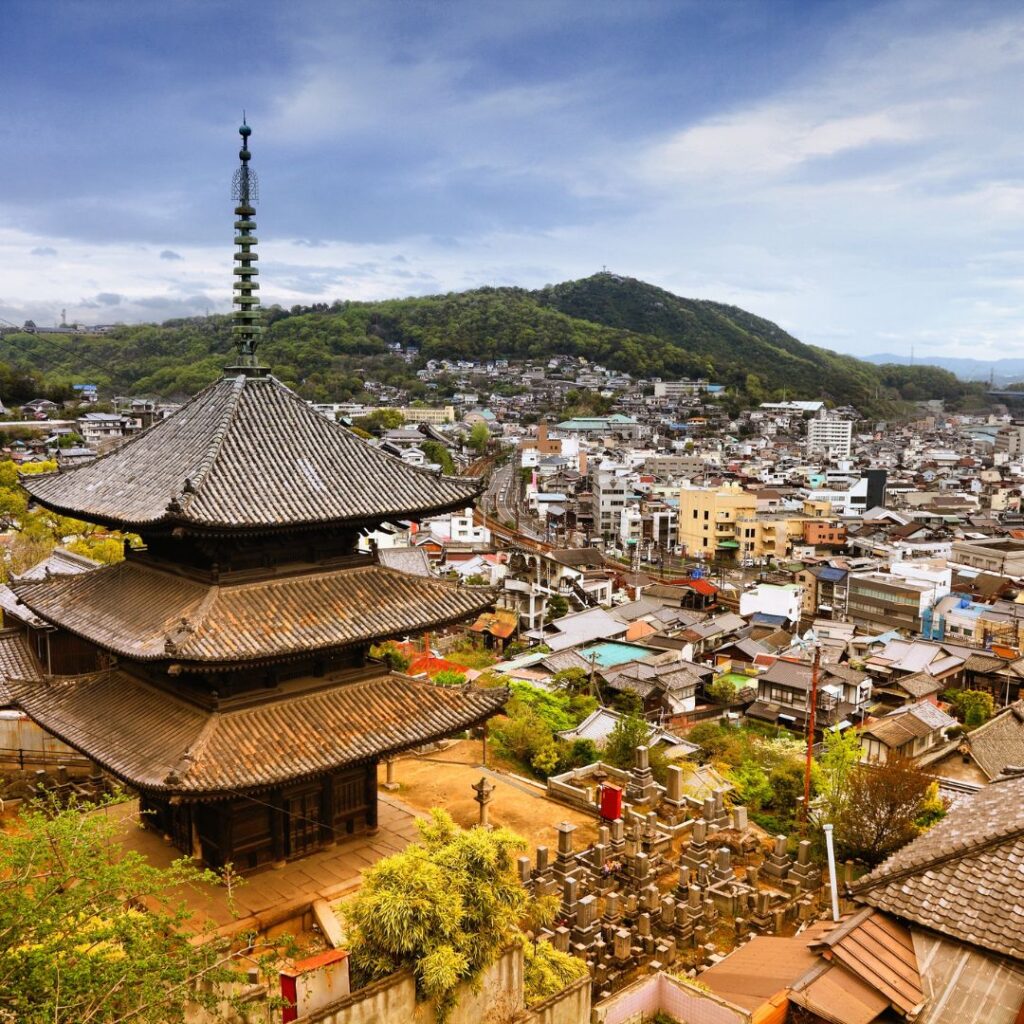
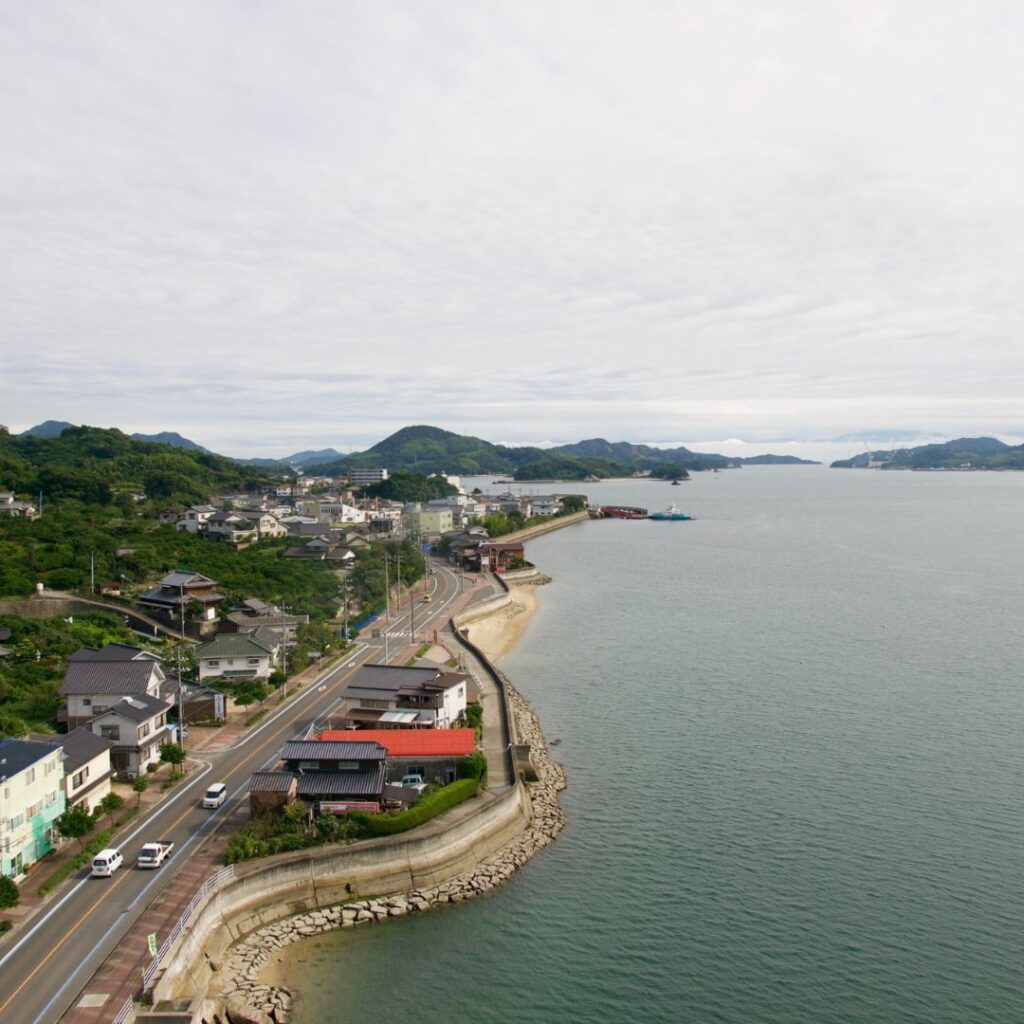
Onomichi is a hillside town overlooking the Seto Inland Sea, famous for its narrow stone paths and a chain of historic temples. The Temple Walk links more than 25 temples, each reflecting different periods of Japanese Buddhism. Senko-ji Temple, perched dramatically on a cliff since the 9th century, offers panoramic views that inspired countless writers and filmmakers. Exploring the temples is more than sightseeing — it’s a spiritual journey through time, where every corner holds a story of faith, art, and tradition.
12:30 – Lunch: Onomichi Ramen
Why Visit:
Food is also history, and Onomichi ramen tells the story of a port town shaped by trade. Its signature broth, enhanced with pork back fat (seabura), is hearty yet delicate — designed to nourish dockworkers and travelers alike. It’s unlike any other ramen in Japan, making it a must-try culinary heritage.
14:00 – Cat Alley & Ropeway to Senko-ji Park
Why Visit:
Onomichi is sometimes called “the town of cats.” Along Neko no Hosomichi (Cat Alley), you’ll find whimsical cat statues, art pieces, and even real feline residents. It reflects Onomichi’s playful and artistic spirit. Taking the ropeway to Senko-ji Park crowns the journey with breathtaking views of countless islands scattered across the Inland Sea — the perfect reminder of Onomichi’s poetic charm.
16:00 – Onomichi Shopping Street
Why Visit:
This retro shopping arcade retains the feel of Showa-era Japan. Old kissaten cafés, traditional sweet shops, and second-hand bookstores create a nostalgic atmosphere that’s vanishing from modern cities. It’s not just a shopping street, but a living museum of everyday Japanese life in the mid-20th century.
Plan 2: Miyajima – Sacred Island and Floating Torii Gate
🚆 How to Get There from Hiroshima
Take the JR Sanyō Line from Hiroshima to Miyajimaguchi Station (30 min), then a ferry to Miyajima (10 min). JR Pass covers both.
9:30 – Itsukushima Shrine
Why Visit:
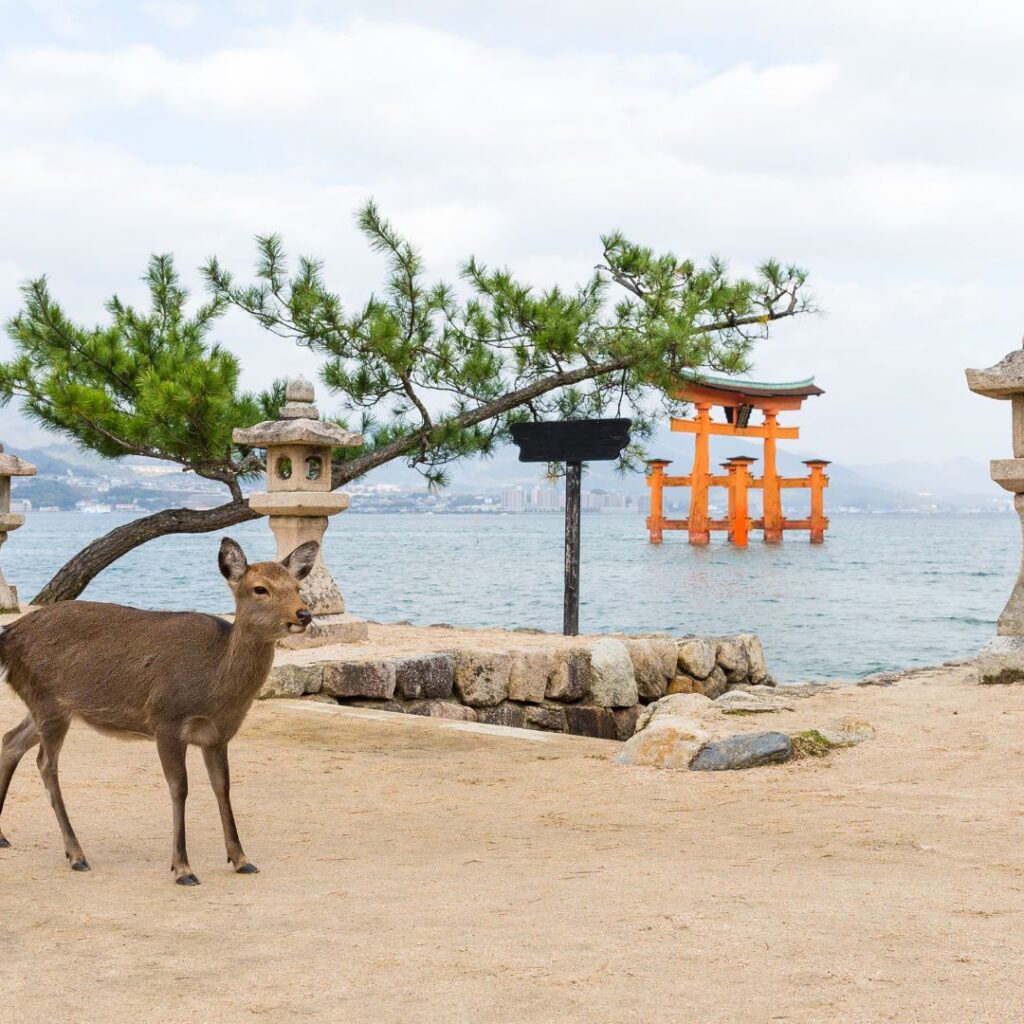
Miyajima’s Itsukushima Shrine is one of Japan’s most iconic sights. Established in the 6th century and rebuilt in the 12th century by the powerful warlord Taira no Kiyomori, it was designed to appear as though it “floats” on water. The vermilion torii gate rising from the sea is more than a photo spot — it symbolizes the blending of Shinto belief with the natural world. Visiting the shrine is to step into a landscape recognized as a UNESCO World Heritage Site and one of Japan’s “Three Most Scenic Views.”
11:30 – Mount Misen Ropeway & Hike
Why Visit:
Mount Misen has been revered as a sacred mountain since ancient times. Buddhist monk Kobo Daishi is said to have lit an eternal flame here that still burns today after more than 1,200 years. The hike reveals not only spiritual sites but also sweeping views of the Seto Inland Sea, reminding visitors why this mountain has inspired pilgrims and poets alike.
13:30 – Lunch: Oysters & Anago-meshi
Why Visit:
Miyajima is blessed with rich seafood. Its oysters are considered the finest in Japan — plump, smoky, and grilled fresh at seaside stalls. Another specialty, Anago-meshi (broiled conger eel on rice), was created to fuel travelers visiting the shrine in the 19th century. Eating here is both delicious and a continuation of centuries-old culinary tradition.
15:00 – Daisho-in Temple
Why Visit:
Daisho-in is Miyajima’s hidden spiritual gem. While Itsukushima Shrine is world-famous, Daisho-in offers a quieter, more personal connection with Japanese Buddhism. Hundreds of statues, from laughing disciples to mysterious guardians, line its paths. Turning the prayer wheels as you climb invokes blessings — a ritual travelers have practiced for centuries.
17:00 – Omotesando Shopping Street
Why Visit:
Far from a tourist trap, Omotesando is the heart of local life on Miyajima. Small shops sell momiji manju (maple-leaf-shaped cakes) and crafts unique to the island. Sampling street food while browsing souvenirs makes for a lively, authentic close to the day.
Plan 3: Kurashiki – Canals and Edo-Era Charm
🚆 How to Get There from Hiroshima
Take the Shinkansen to Okayama Station (40 min), then the JR Sanyō Line Local to Kurashiki Station (20 min). Total about 1 hr. JR Pass valid.
10:00 – Kurashiki Bikan Historical Quarter
Why Visit:
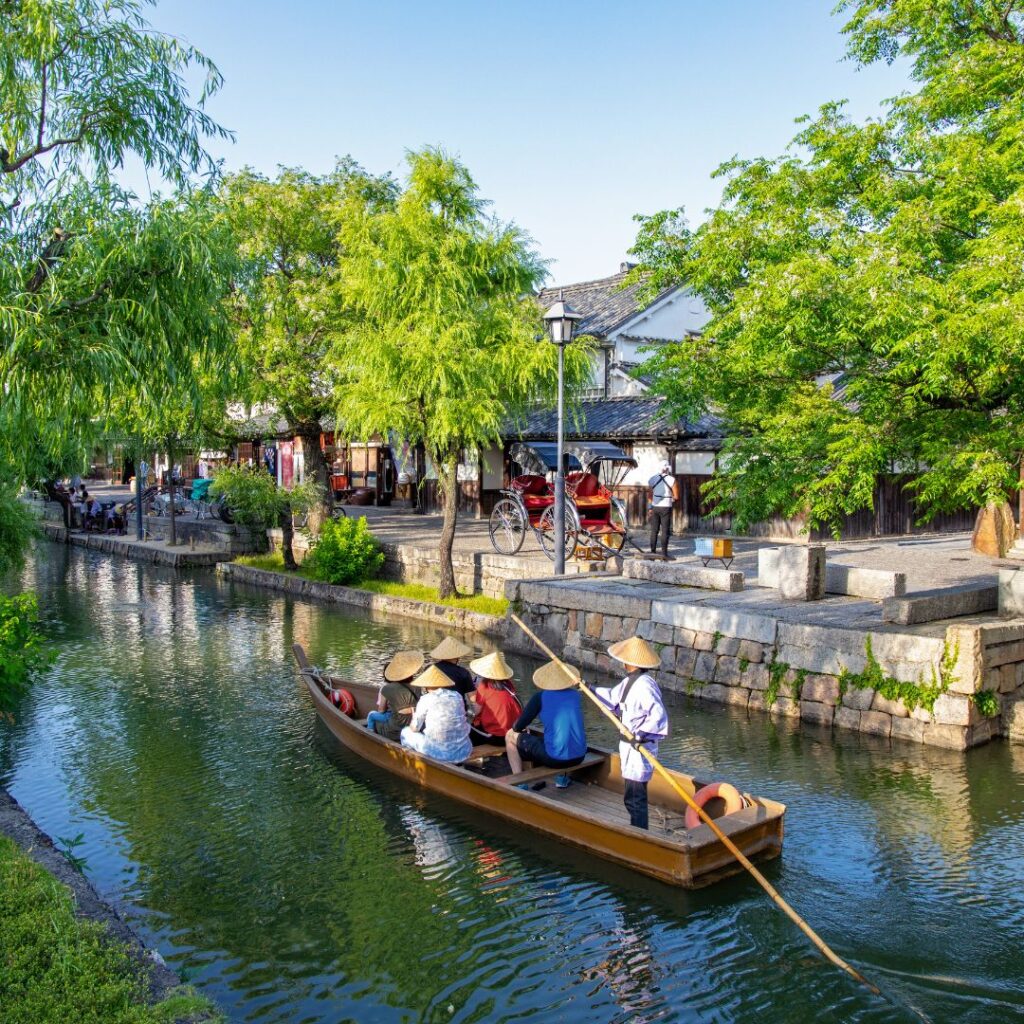
Kurashiki flourished as a merchant town during the Edo period. Its preserved canal district, lined with white-walled storehouses (kura) and willow trees, offers one of Japan’s most picturesque old-town experiences. Walking here feels like stepping back to the 18th century, when rice and textiles passed through these waterways. Today, many warehouses are repurposed as cafés, craft shops, and galleries — blending heritage with modern creativity.
11:30 – Ohara Museum of Art
Why Visit:
The Ohara Museum is Japan’s first private museum of Western art, founded in 1930 by a local industrialist. It houses masterpieces by Monet, El Greco, and Japanese modernists, reflecting Kurashiki’s openness to global culture. For a small town, the museum’s world-class collection is extraordinary, making it a true cultural gem.
13:00 – Lunch: Kurashiki’s Specialties
Why Visit:
Food here reflects the region’s identity:
- Mamakari sushi — vinegared sardines, beloved since Edo times.
- Demi-katsudon — a hearty dish blending Western-style demi-glace with Japanese comfort food.
Dining in Kurashiki lets you taste both tradition and fusion.
14:30 – Canal Boat Ride
Why Visit:
Gliding through the willow-lined canals in a wooden boat offers a romantic perspective on Kurashiki. Boatmen in traditional attire guide you slowly past centuries-old warehouses. It’s more than sightseeing — it’s entering the rhythm of life as it was 200 years ago.
16:00 – Kurashiki Ivy Square & Kojima Jeans Street (Optional)
Why Visit:
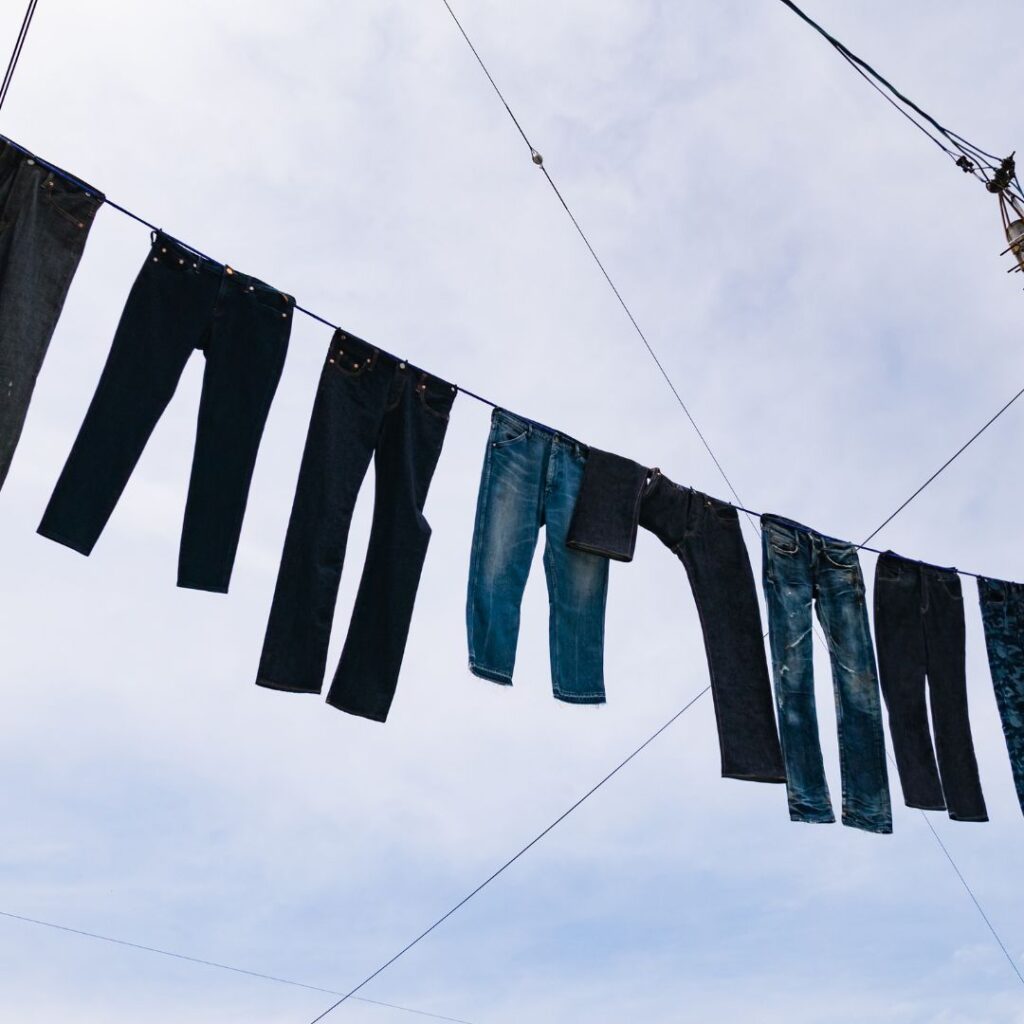
Ivy Square, once a textile mill, represents Kurashiki’s industrial heritage. Today it’s a cultural hub with museums, cafés, and workshops. Nearby Kojima district is known as the birthplace of Japanese denim — perfect for fashion enthusiasts who want to see tradition transformed into modern design.
18:00 – Return to Hiroshima
Kurashiki Station → Okayama → Shinkansen → Hiroshima (1 hr).
✅ Summary
- Onomichi: A poetic port town where temples, cats, and ramen tell the story of everyday Japan.
- Miyajima: A sacred island blending spirituality, history, and seafood delights, crowned by the floating shrine.
- Kurashiki: Edo-era canals and world-class art, where heritage and creativity coexist.