
Japan’s Autumn Flavors & Where to Eat in Kyoto, Shiga, and Osaka
First, meet the seasonal ingredients that define Japan’s fall. Then, save the exact restaurants to taste them—curated for authenticity, access, and wow-factor.
Best window: Late September–Mid November (varies by region/elevation). Reserve early for matsutake/kaiseki; fruit & sweets keep shining throughout.
🍁 Autumn Ingredients to Try (Why They Shine Now)
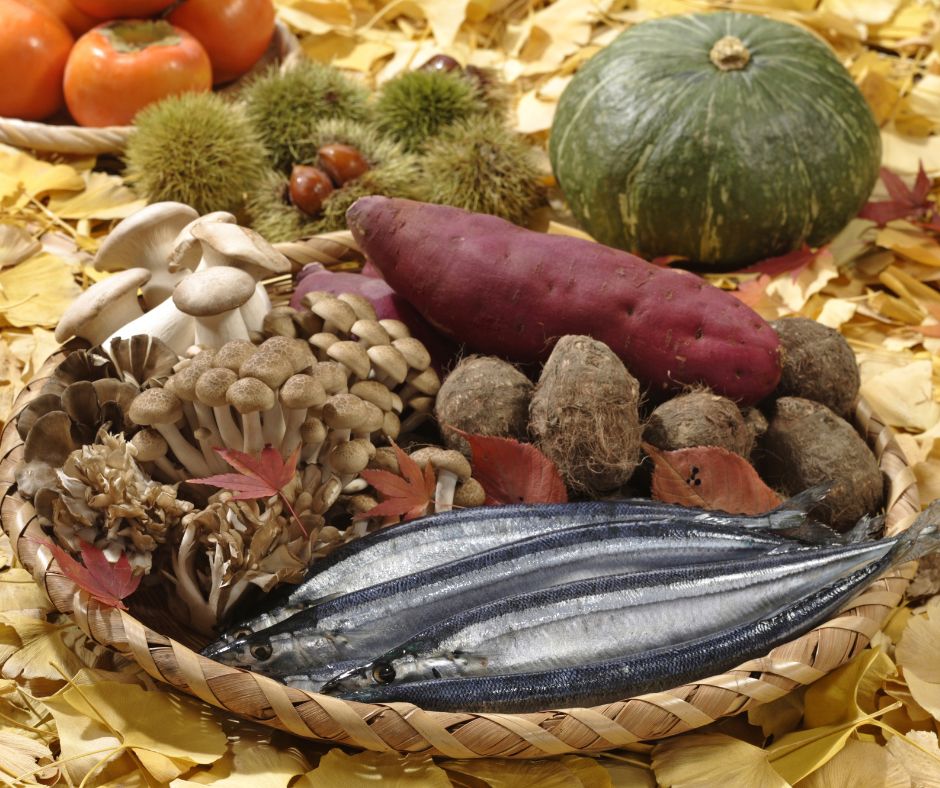
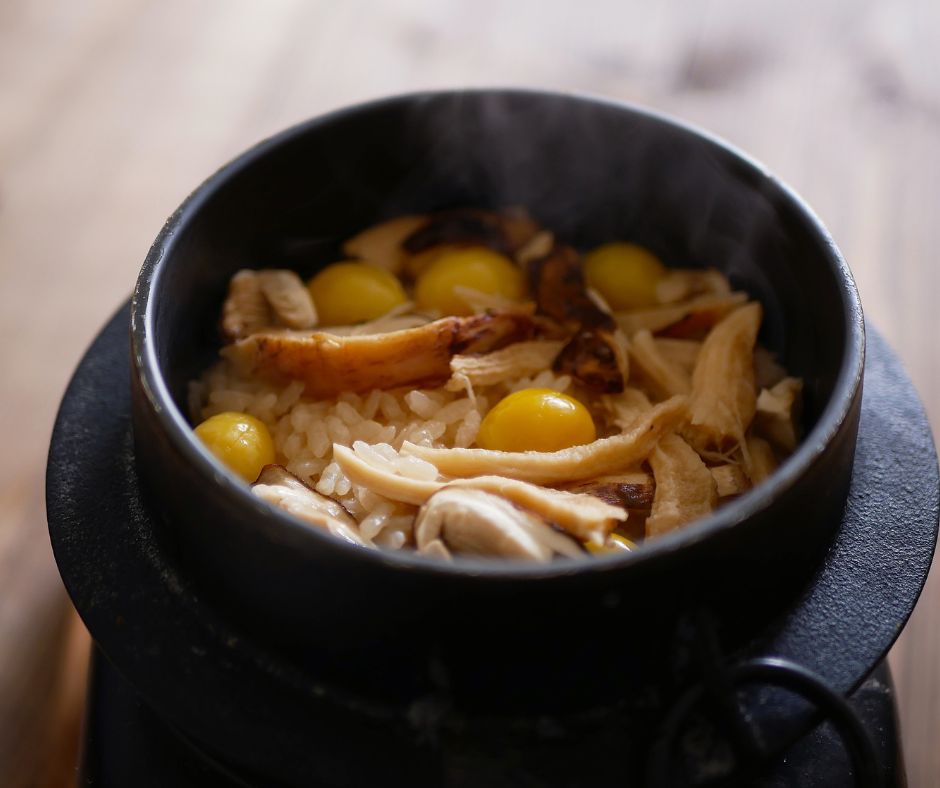
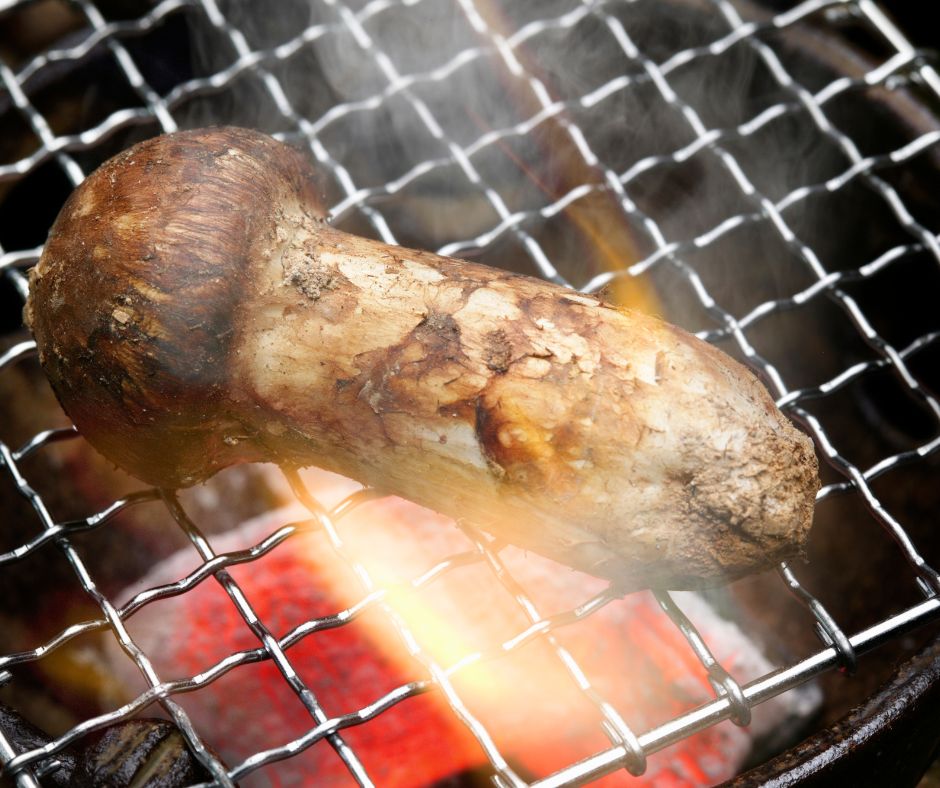
🍄 Matsutake & Forest Mushrooms
Aromatic, rare, and quintessentially autumn. Best as dobin-mushi, lightly grilled with citrus, or takikomi-gohan (seasoned rice).
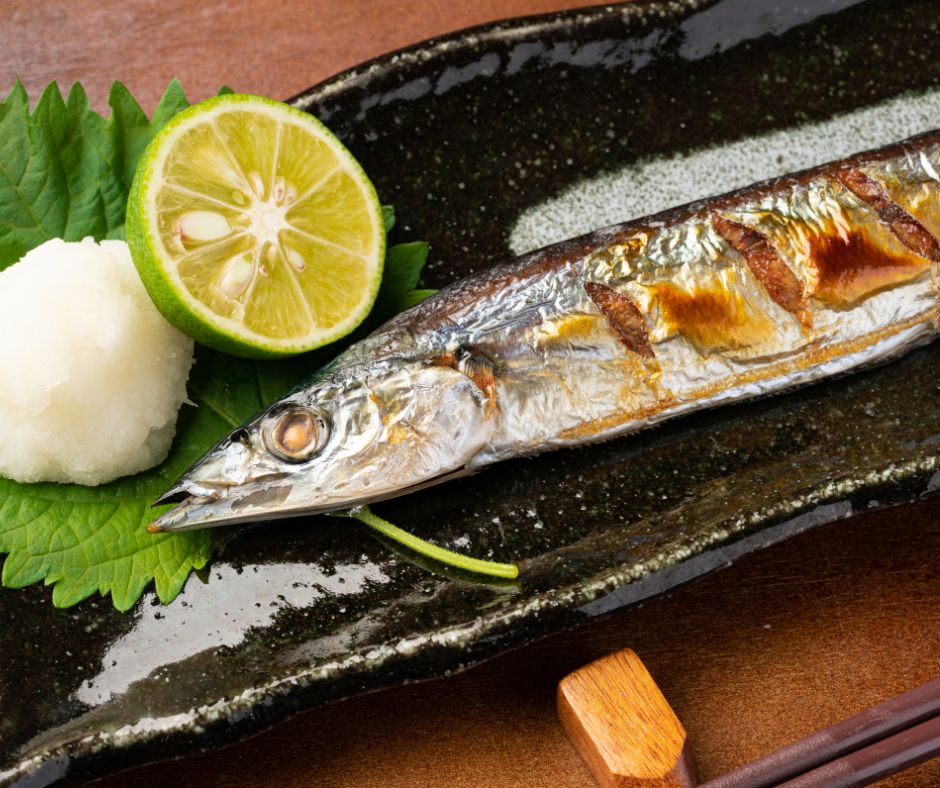
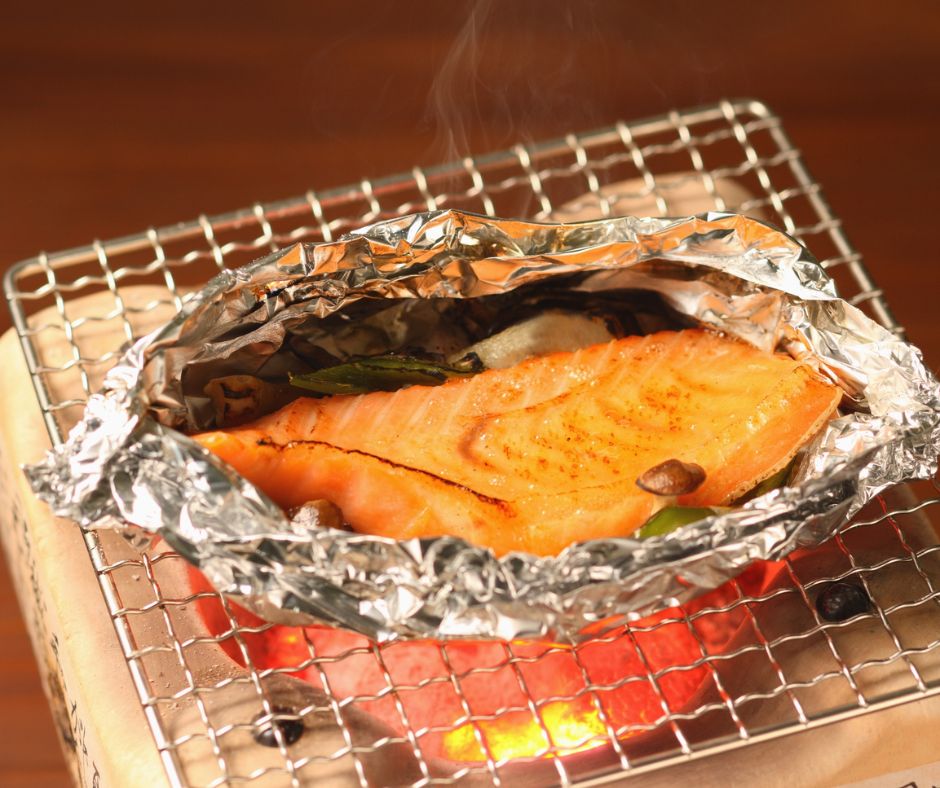
🐟 Pacific Saury (Sanma) & Autumn Salmon
Sanma fattens on its southward migration; autumn salmon turns firm and savory. Grilled with yuzu/sudachi, or miso-butter local styles.
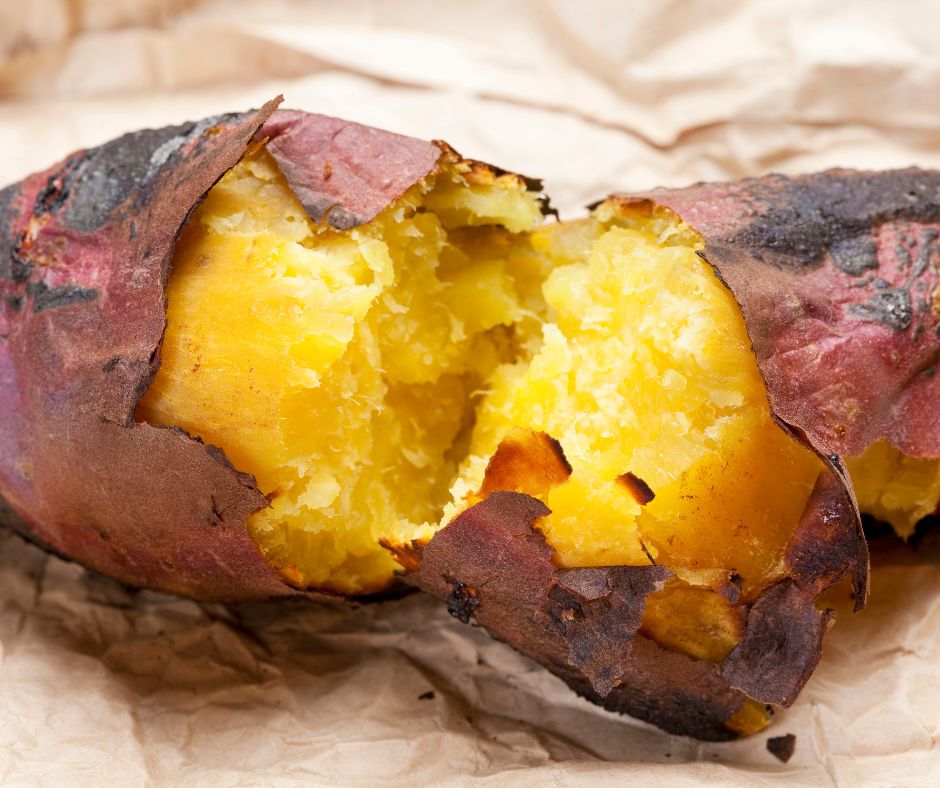
🌰 Chestnut & Sweet Potato
Comfort-season heroes: chestnut rice, Mont Blanc, roasted sweet potatoes, and classic wagashi—ideal foils to umami-rich courses.
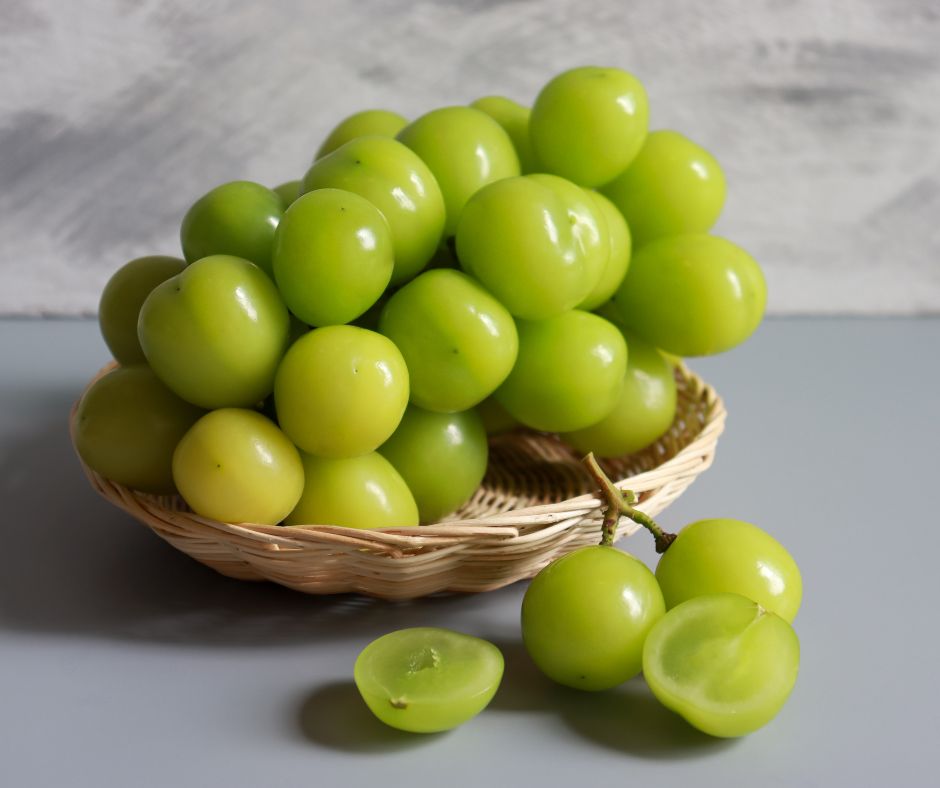
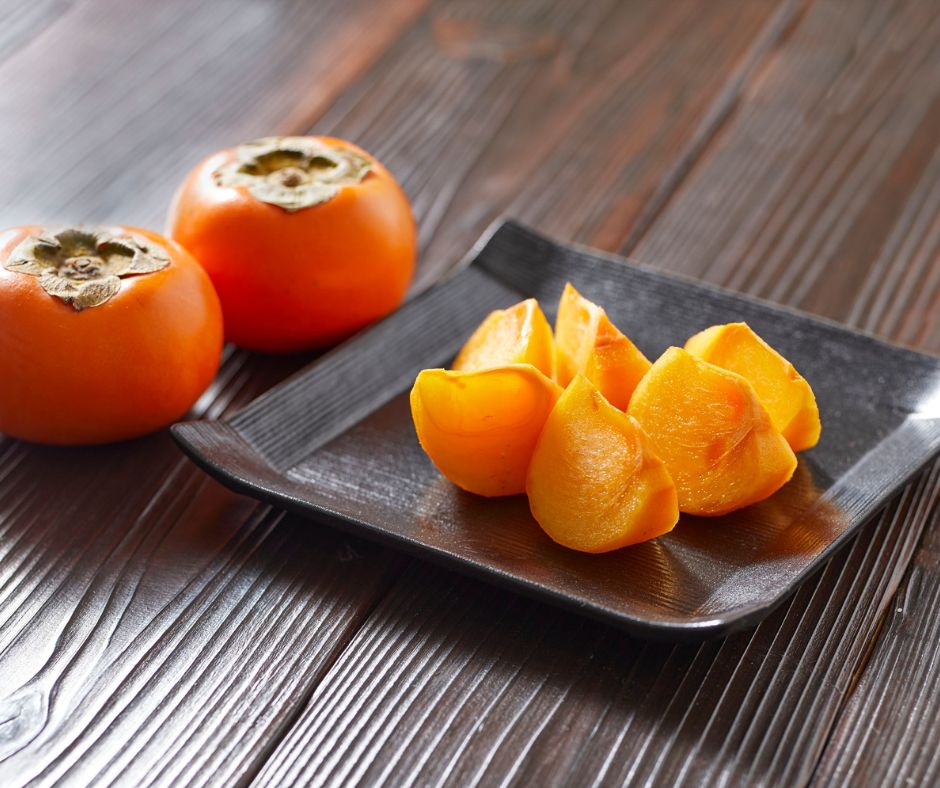
🍇 Persimmon, Pear & Grapes
Shine Muscat, crisp Japanese pears, sweet persimmons—found everywhere from markets to cafés and kaiseki desserts.
🏯 Kyoto — Kaiseki & Seasonal Cuisine
Koryouriya Takaya(こりょうり たか屋)
Torihisa(鳥久)
Kyoto Sweets & Tea
🏞️ Shiga — Mountains & Lake Bounty
Matsutakeya Uomatsu(松茸屋 魚松 / Koka)
Yamasato Ryori KIKORI(山里料理 きこり / Shigaraki)
Uosei(魚清 / Otsu)
Ritto & Moriyama Chestnuts / Sweets
🏙️ Osaka — Casual, Lively & Seasonal
Uoya Stand FUJI(魚屋スタンドふじ / Umeda & others)
Kaki to Sakana(牡蠣と魚 / various)
Osaka Sweets & Cafés
FAQ (Reservations & Timing)
When should I book kaiseki/matsutake?
For weekends in Oct–Nov, reserve 2–3 weeks ahead; weekdays sell out slower but still book early.
Is there a dress code?
Smart casual works for kaiseki. Casual seafood/taverns have no strict code.
Dietary restrictions?
Tell the restaurant when reserving; many kaiseki venues can accommodate with advance notice.
How to dodge crowds?
Arrive early evening for taverns; for cafés/sweets, weekday mid-mornings are best.