
Tado Shrine, Mie – The “Northern Guardian of Ise”
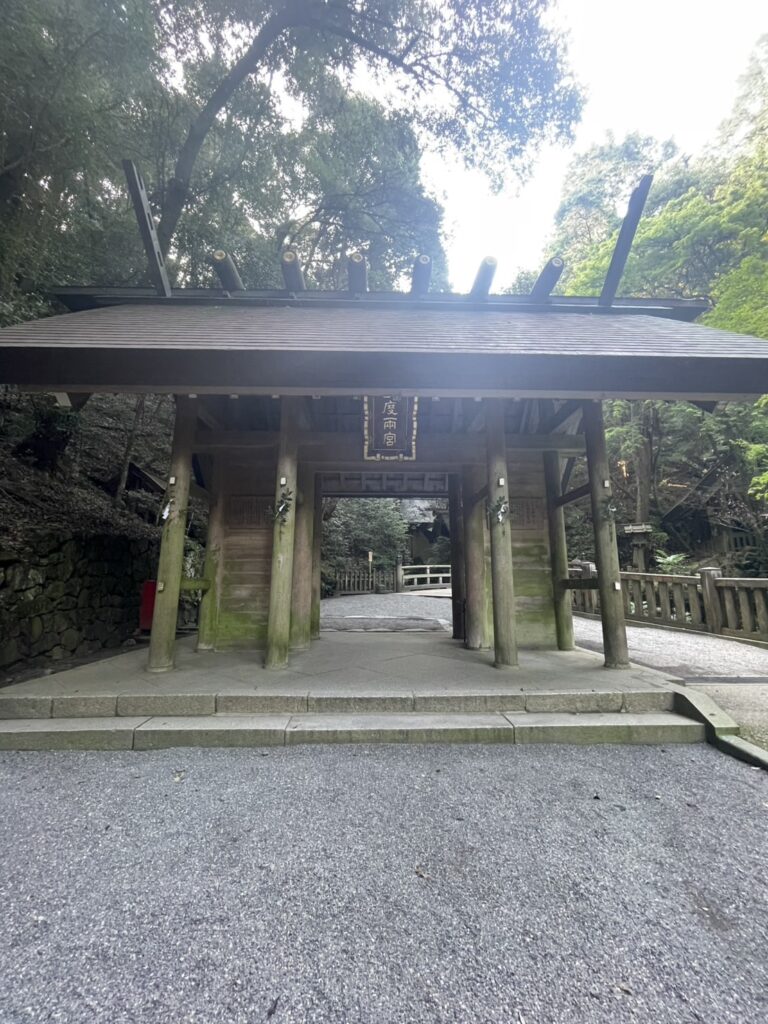
Located in Tado Town, Kuwana City, Tado Taisha Shrine has long been known as the “Northern Ise Grand Shrine.” The enshrined deity is Ame-no-Hikone-no-Mikoto, the child of the sun goddess Amaterasu. For centuries, worshippers have visited here before heading to Ise Grand Shrine, following the tradition of “Before Ise, first Tado.”
History and Origins
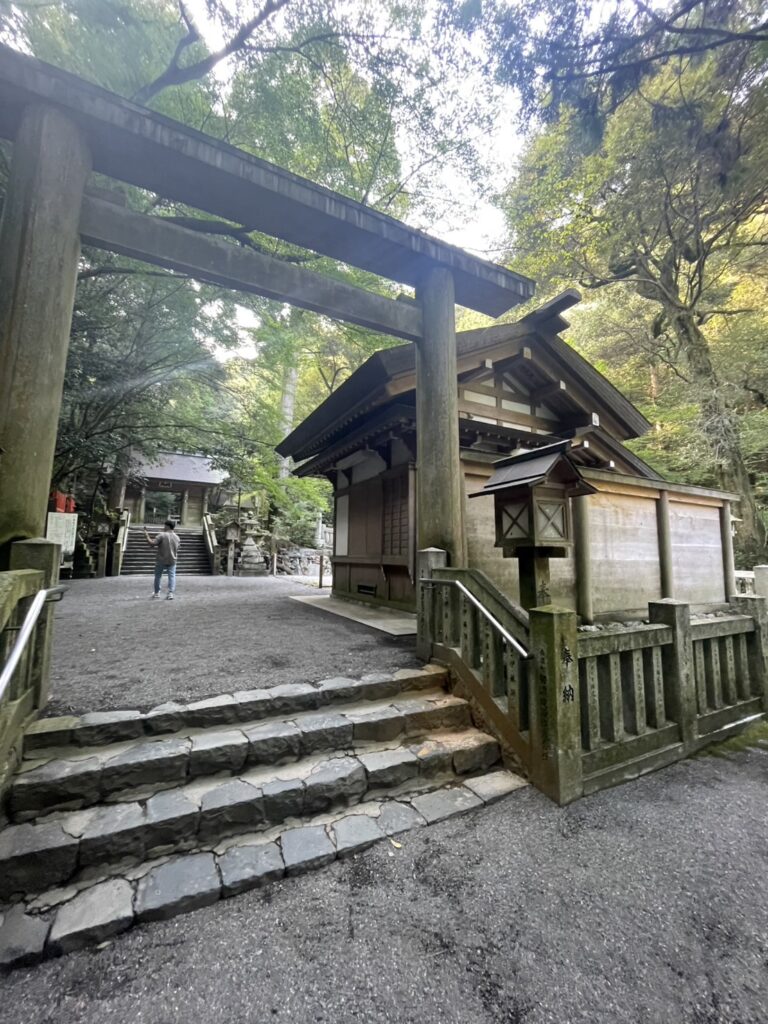
With over 1,500 years of history, Tado Shrine is recorded in the Engishiki Jinmyocho, a Heian-period register of significant shrines. It has been revered by emperors, celebrated warlords such as Oda Nobunaga and Tokugawa Ieyasu, and ordinary people across generations.
During the Edo period, the custom of “Tado Mairi” (pilgrimage to Tado) became widely popular, almost rivaling the Ise pilgrimage. Today, the shrine’s sacred forest, stately Romon Gate, and elegant Shinmei-zukuri style Main Hall continue to inspire awe and reverence.
Highlights of the Grounds
- Romon Gate – An Important Cultural Property showcasing dignified wooden craftsmanship.
- Main Hall – Built in the Shinmei-zukuri style, the same architectural tradition as Ise Grand Shrine.
- Koyasu Shrine – Known for blessings of safe childbirth and fertility.
- Sacred White Horse – A horse dedicated to the deity, symbolizing the shrine’s historic bond with horses.
The Famous Ageuma Shinji
The shrine’s most iconic event is the Ageuma Shinji (Horse-Climbing Ritual), held annually on May 4 and 5. Brave young riders gallop their horses up a steep two-meter earthen wall. Success foretells a bountiful harvest, while failure predicts a poor one.
This spectacular tradition, dating back to the Edo period, is designated an Important Intangible Folk Cultural Property of Japan and continues to draw thousands of visitors every year.
Blessings of Tado Shrine
Tado Shrine is known for its wide range of blessings:
- 🌾 Bountiful Harvests & Business Prosperity
- 🐎 Traffic Safety & Travel Protection
- 👶 Fertility & Safe Childbirth
- 🧘 Exorcism of Misfortune & Good Fortune
How to Worship – Step by Step
For international visitors, here is a simple guide to proper shrine worship:
- Torii Gate
Bow lightly before entering and walk along the side of the approach. The center path is reserved for the gods. - Purification at the Chozuya
Wash your left hand, then your right. Pour a little water into your left hand to rinse your mouth. Finally, tilt the ladle to rinse the handle before placing it back. - Main Hall (Haiden)
Toss a coin into the offering box (a 5-yen coin is considered lucky). Bow twice, clap twice, make your prayer silently, and bow once more. - Subsidiary Shrines
Visit smaller shrines within the grounds, such as Koyasu Shrine for childbirth or others for specific blessings. - Departure
Before leaving, turn back toward the main hall and bow once to show respect.
Etiquette and Cultural Tips
Visiting a shrine is not only sightseeing—it is also a spiritual act. Keep these points in mind:
- Keep your voice low and avoid eating, smoking, or running within the grounds.
- Photography is usually fine outside, but avoid rituals, worshippers, and interiors unless clearly allowed.
- Walk to the side of paths, not in the center.
- Offerings are optional; 5-yen coins are symbolic and lucky.
- Dress modestly to show respect.
- Keep phones on silent and avoid calls during prayers.
Access Information
Address: 1681 Tado, Tado-cho, Kuwana-shi, Mie Prefecture
By Train: About 20 minutes on foot from Kintetsu Yoro Line Tado Station, or take a bus from Nishi-Kuwana Station to Tado Taisha-mae.
By Car: About 20 minutes from Higashi-Kuwana IC (Higashi-Meihan Expressway). Free parking is available.
Nearby Attractions
- Nabana no Sato – Renowned for seasonal flowers and winter illuminations.
- Kuwana Castle Ruins & Kyuka Park – A pleasant spot for a historical stroll.
- Nagashima Spa Land & Jazz Dream Outlet Mall – A major amusement park and shopping complex popular with families.
Conclusion
Tado Shrine is more than a historic religious site—it is a living tradition where prayers, culture, and community continue to thrive. From the dramatic Ageuma Shinji to its sacred forest and timeless rituals, the shrine offers visitors a chance to experience the spiritual heart of Japan.
Before making your way to Ise Grand Shrine, take the time to visit Tado Shrine—where faith, history, and culture come together in harmony.