
Kuzuryu Taisha – A Sacred Place of Prayer in Kyoto
Not a sightseeing spot — a sacred encounter. For those who truly respect Japan’s spirit of prayer. 🐉✨
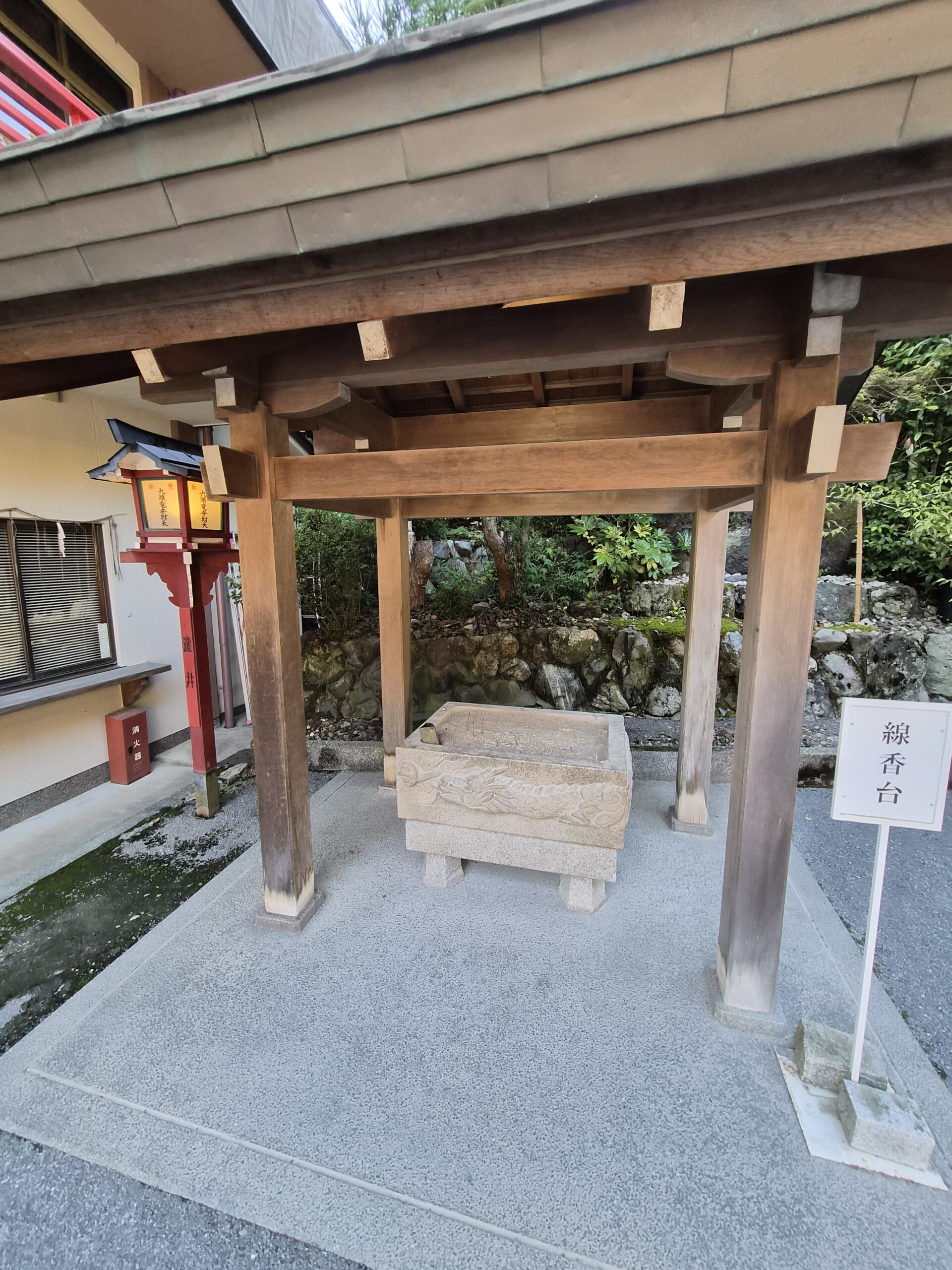
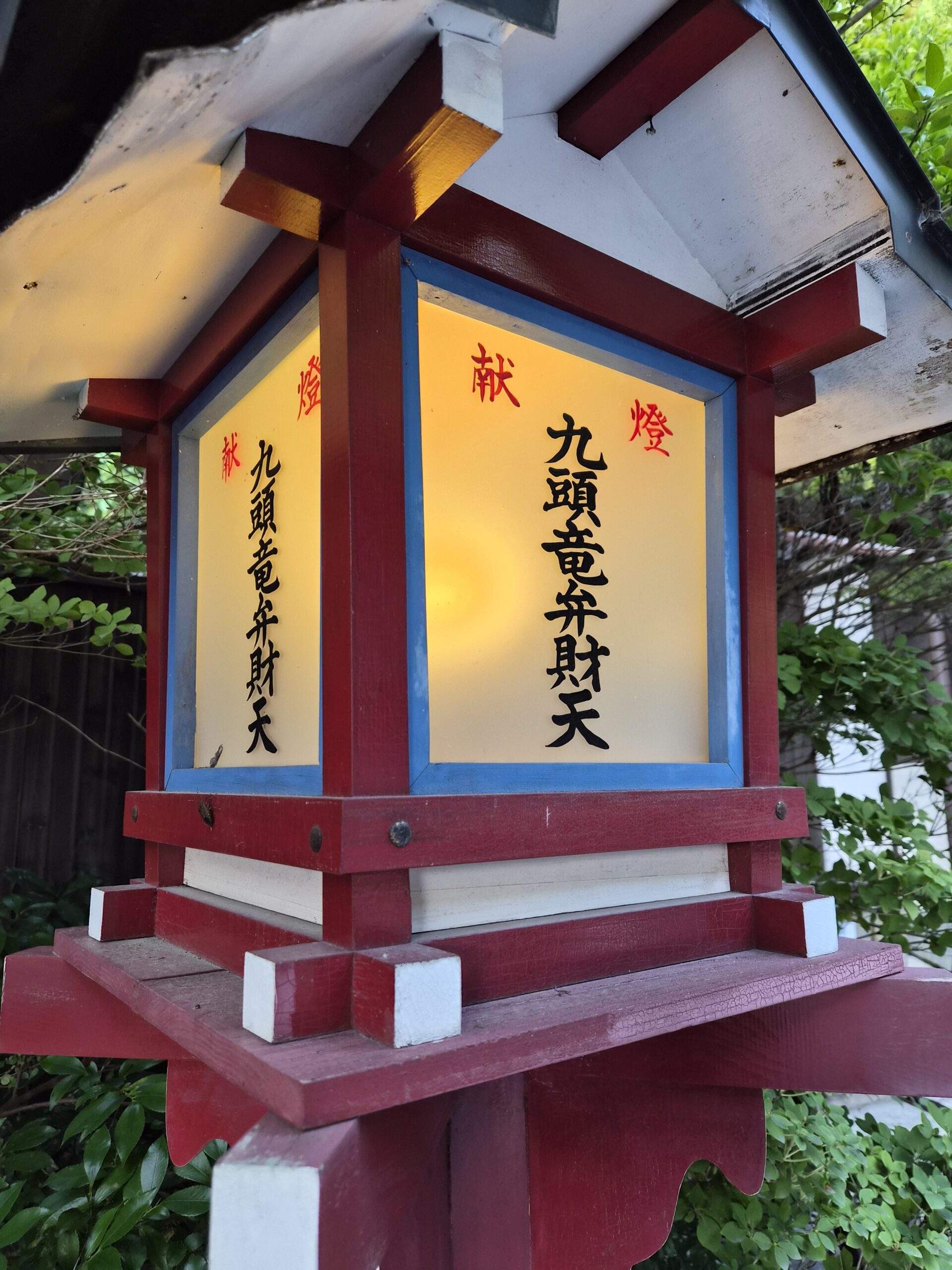
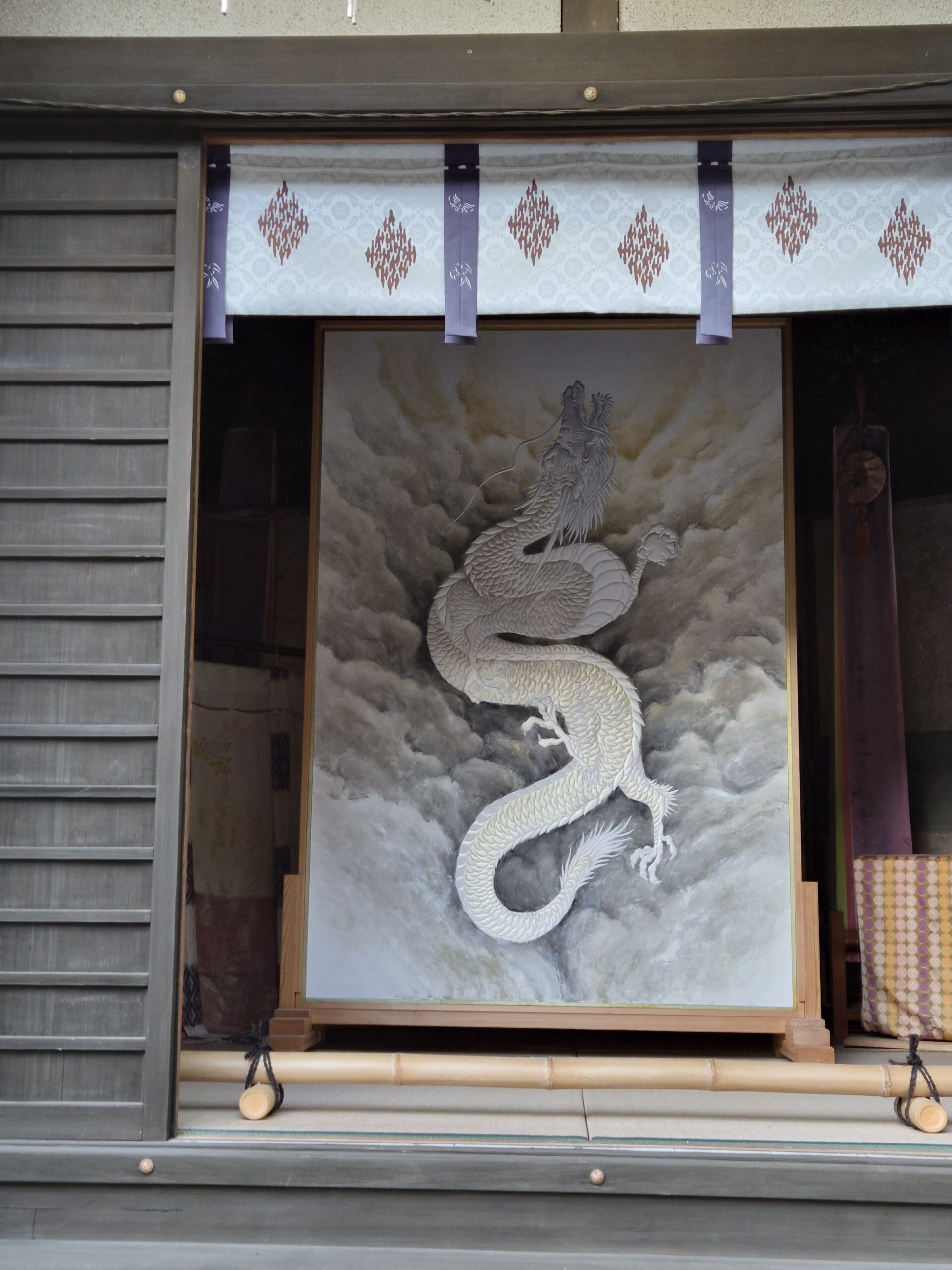
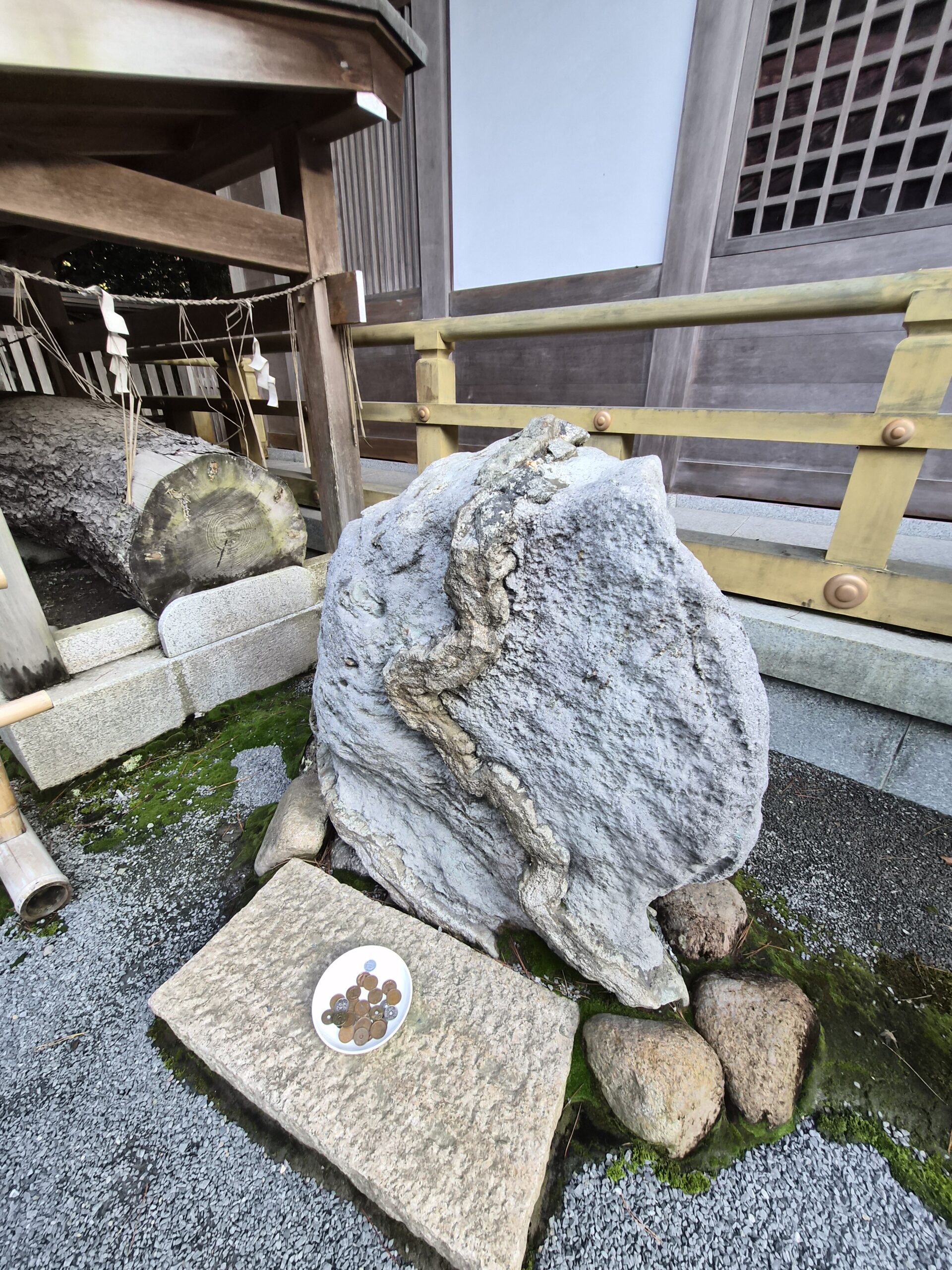
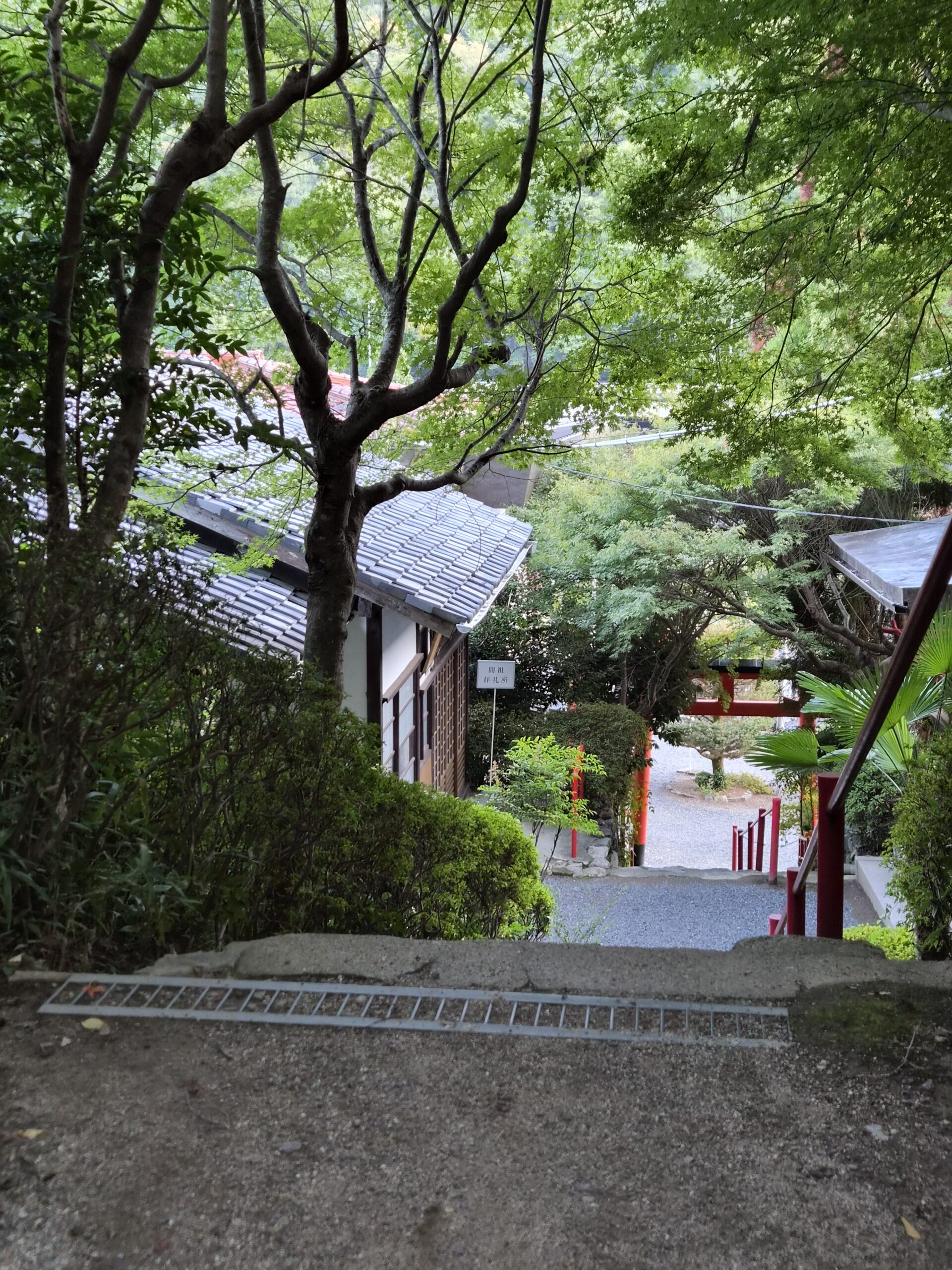
Overview
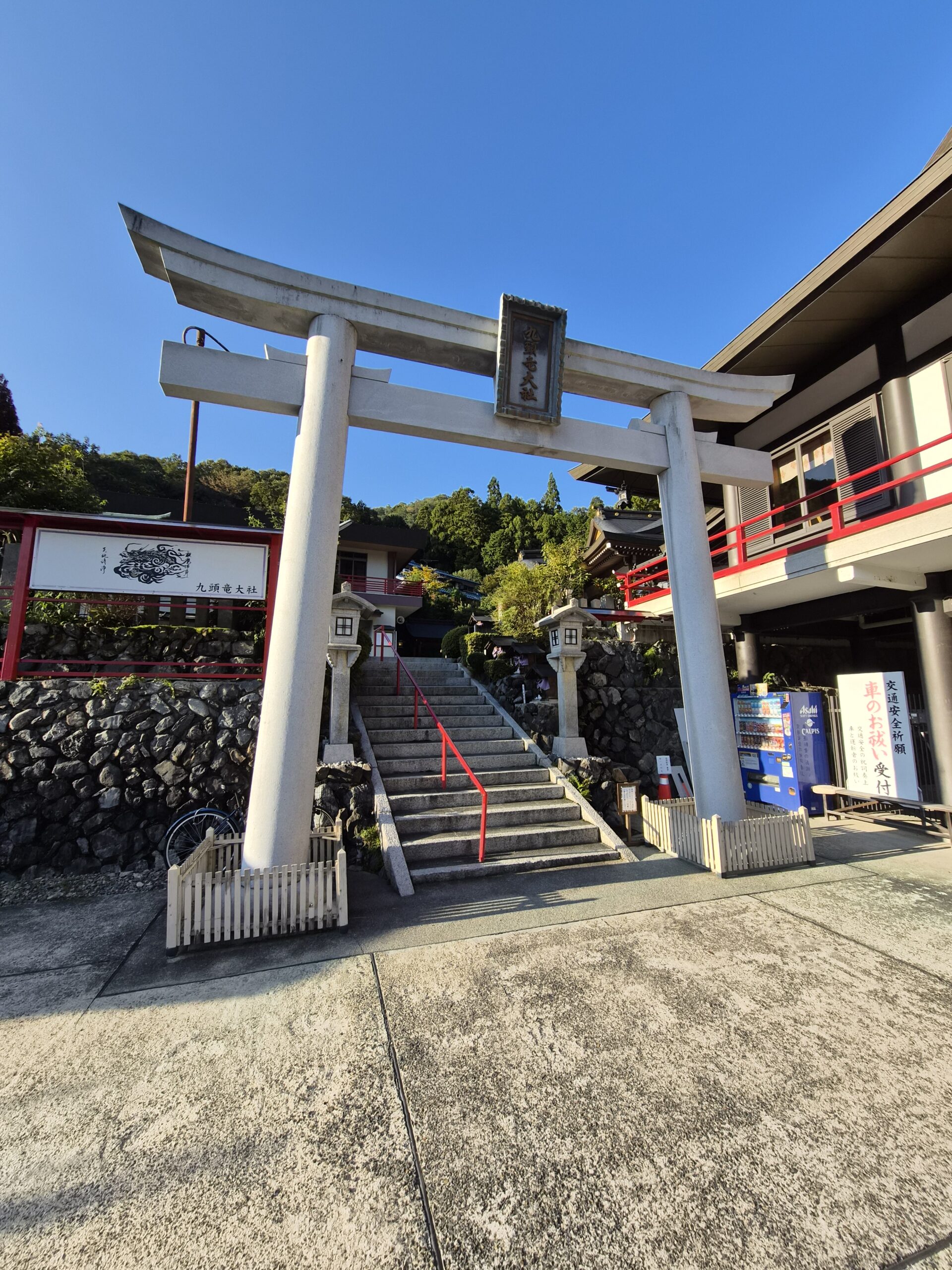
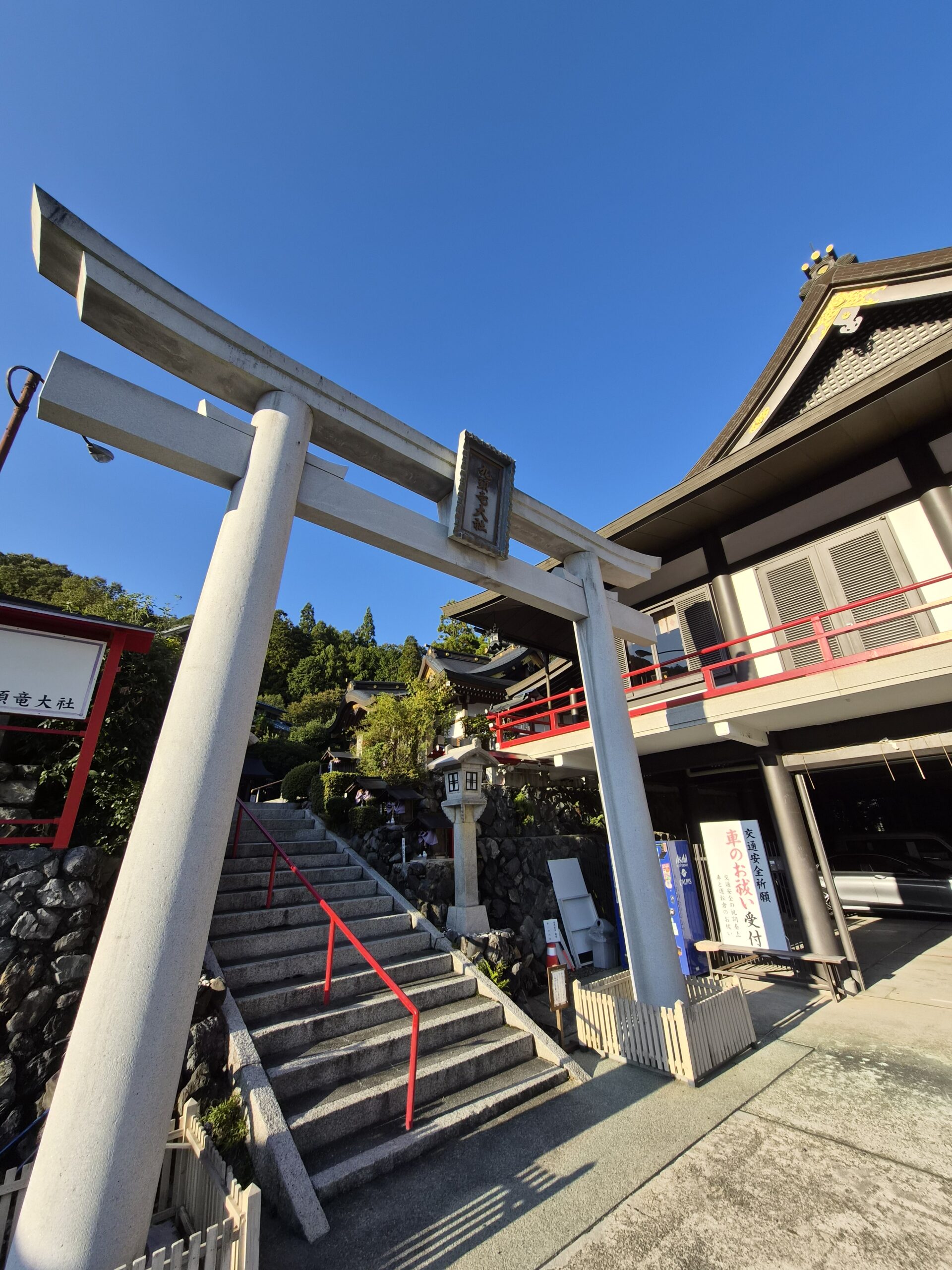
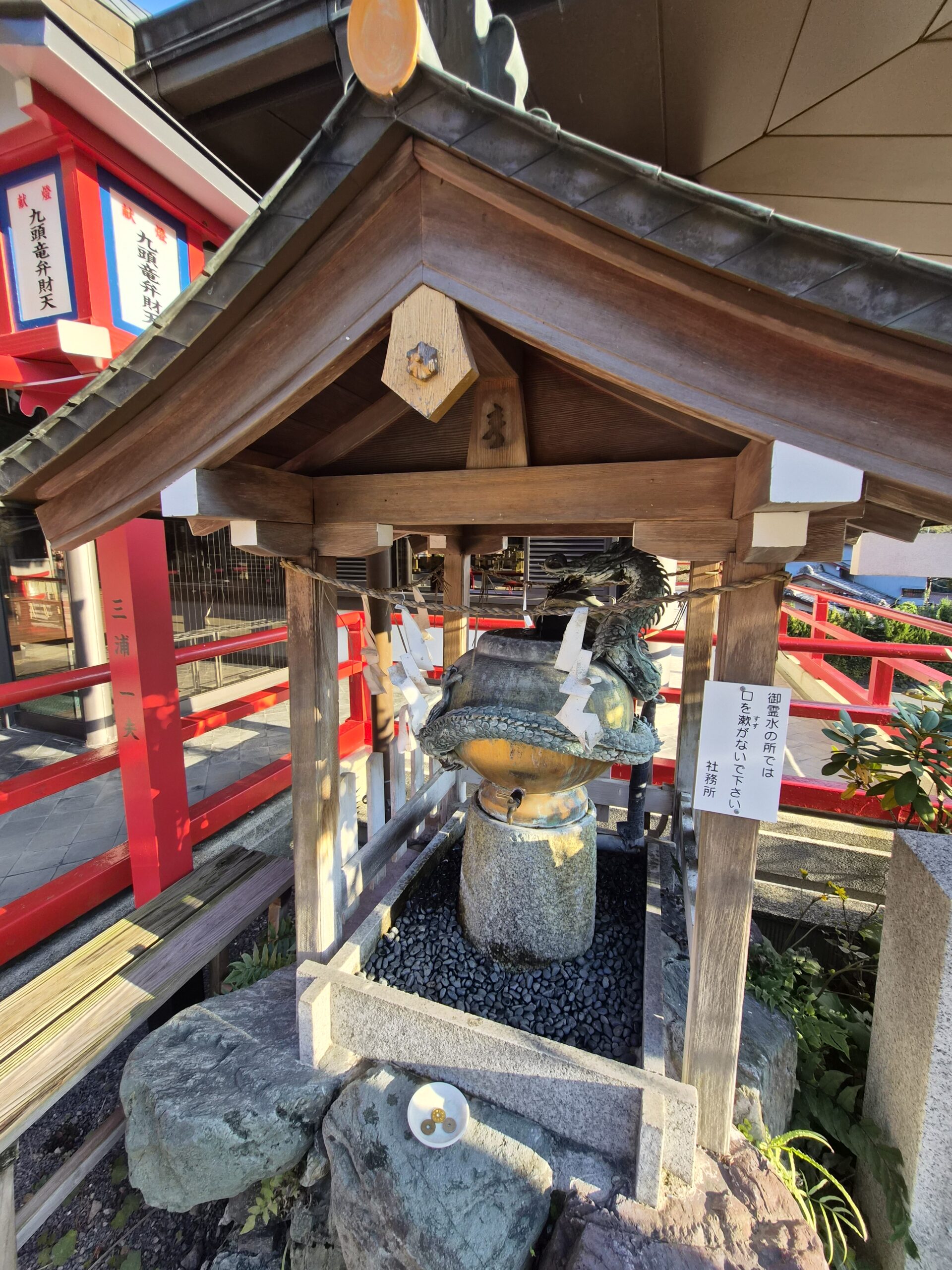
Nestled in the quiet mountains of Yase, Kyoto, Kuzuryu Taisha is not a tourist attraction — it is a sanctuary of prayer and reflection. The shrine enshrines the White Dragon God, who is believed to grant blessings for love, health, prosperity, and success. Surrounded by stillness and pure air, visitors can experience a profound sense of connection with nature and spirit.
History & Faith
Founded in 1954, Kuzuryu Taisha continues the ancient traditions of dragon and water worship from the Yase–Kurama–Kibune mountains. According to legend, the “Nine-Headed Dragon” listens to the prayers of humankind and leads them toward happiness — a symbol of compassion and divine strength.
Highlights
- Sacred Tree & White Dragon Spirit: A sacred tree said to be home to the White Dragon. Visitors quietly offer prayers here.
- Nature & Serenity: The crisp air and tranquil forest setting create an atmosphere of deep purification.
- Monthly Ritual (9th Day): Every month, the Tsukinamisai ceremony is held. However, this date tends to be crowded, and we recommend visiting on other days to ensure a calm and peaceful experience.
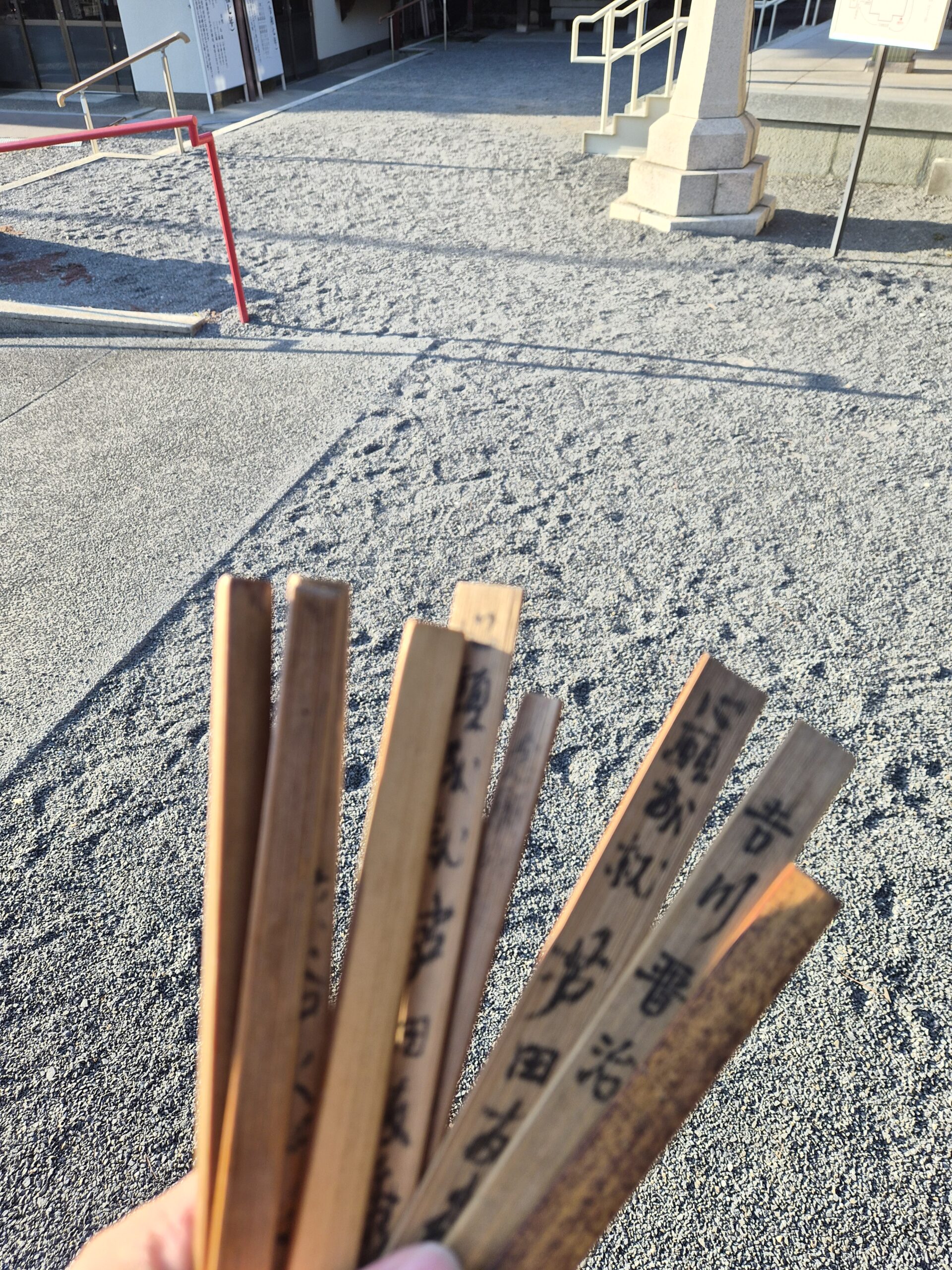
- Omamori & Goshuin: The “White Dragon Talisman” and “Prosperity Charm” are among the most sought-after blessings.
Blessings
• Financial prosperity
• Love and marriage
• Longevity and health
• Protection from misfortune
• Business success
It is said that Kuzuryu-sama never refuses any sincere wish — embracing all prayers equally, just as nature accepts all life.
About Visiting (Important)
Kuzuryu Taisha is a sacred place of worship, not a sightseeing spot. It is open only to those who truly respect Japanese culture and can pray with humility and sincerity.
Please avoid loud behavior, casual photography, or treating the shrine as an attraction. When you stand before the sacred tree, let silence speak — offer your gratitude, bow, and breathe with the mountain’s rhythm.
Access
Address: 681 Konoe-chō, Yase, Sakyō-ku, Kyoto
Parking: Available (free)
Nearest Station: Eizan Railway – Yase-Hieizan-guchi Station (7 min walk)
Located deep in the mountains — accessible only by car on our guided tours.
Tour Pricing & System
The cost of the Private Kuzuryu Taisha Tour varies depending on the number of participants. The tour follows a “necessary expenses + tip” system — designed to maintain transparency and sincerity.
- Vehicle rental fee
- Fuel costs
- Highway tolls
- Parking fees
- Meal expenses
After the tour, guests are invited to offer a tip (gratitude payment) directly to the guide — a token of appreciation for the cultural and spiritual guidance provided.
TORU TOUR Private Experience
Toru Tour offers exclusive private visits to Kuzuryu Taisha — always by car for comfort and safety. The experience is limited to small groups who honor the shrine’s spiritual atmosphere.
In addition to the shrine visit, you may also include Kyoto’s traditional experiences — such as a kaiseki-style lunch, tea ceremony, kimono dressing, or local craft workshops — to create a deeper connection with the culture and spirit of Japan.
Optional services include:
- English-speaking cultural guide
- Professional photographer (exterior areas only)
- Round-trip car transport with optional lunch stop or cultural experience
Booking & Inquiries:
📩 baseball14893472@gmail.com
📞 (+81) 90-7340-1959
Visitation Rules
- Maintain silence and respect throughout the grounds — this is a space of worship.
- Dress modestly. Avoid sleeveless or revealing clothing.
- Phones should be silenced. No livestreams or selfies at the main sanctuary.
- Photography is permitted only in designated zones.
- Use the traditional Shinto bow: bow twice, clap twice, then bow once more.
- No food, drinks, or alcohol within the main worship area.
- Respect nature: do not litter or damage plants and stones.
- Children should remain calm and supervised at all times.
Pop Culture Note
Anime fans might recognize the term “Kuzuryu-sen (Nine-Headed Dragon Flash)” — the signature technique of Kenshin Himura in *Rurouni Kenshin*. The move’s name draws inspiration from the same ancient dragon mythology associated with shrines like Kuzuryu Taisha, connecting modern Japanese pop culture with timeless spiritual roots. 🐉✨