
The World of Bonsai in Japan
Discover the art, philosophy, and quiet elegance of 盆栽(Bonsai) — and explore the finest gardens of Kyoto & Shiga.
1. What Is Bonsai(盆栽 / Bonsai)?
Bonsai is not a miniature tree — it is a living artwork, shaped through time, discipline and deep respect.
Techniques such as 剪定(Sentei / pruning), 針金掛け(Harigane-gake / wiring), 植え替え(Uekae / repotting), and 根張り(Nebari / root shaping) allow artists to create a full landscape inside a single pot.
Bonsai is not “small nature.” It is nature distilled into essence.
2. How to Appreciate Bonsai – Perspective, Aesthetics & Worldview
正面(Shōmen / The Front)
The carefully chosen angle where trunk, branches, and roots harmonize.
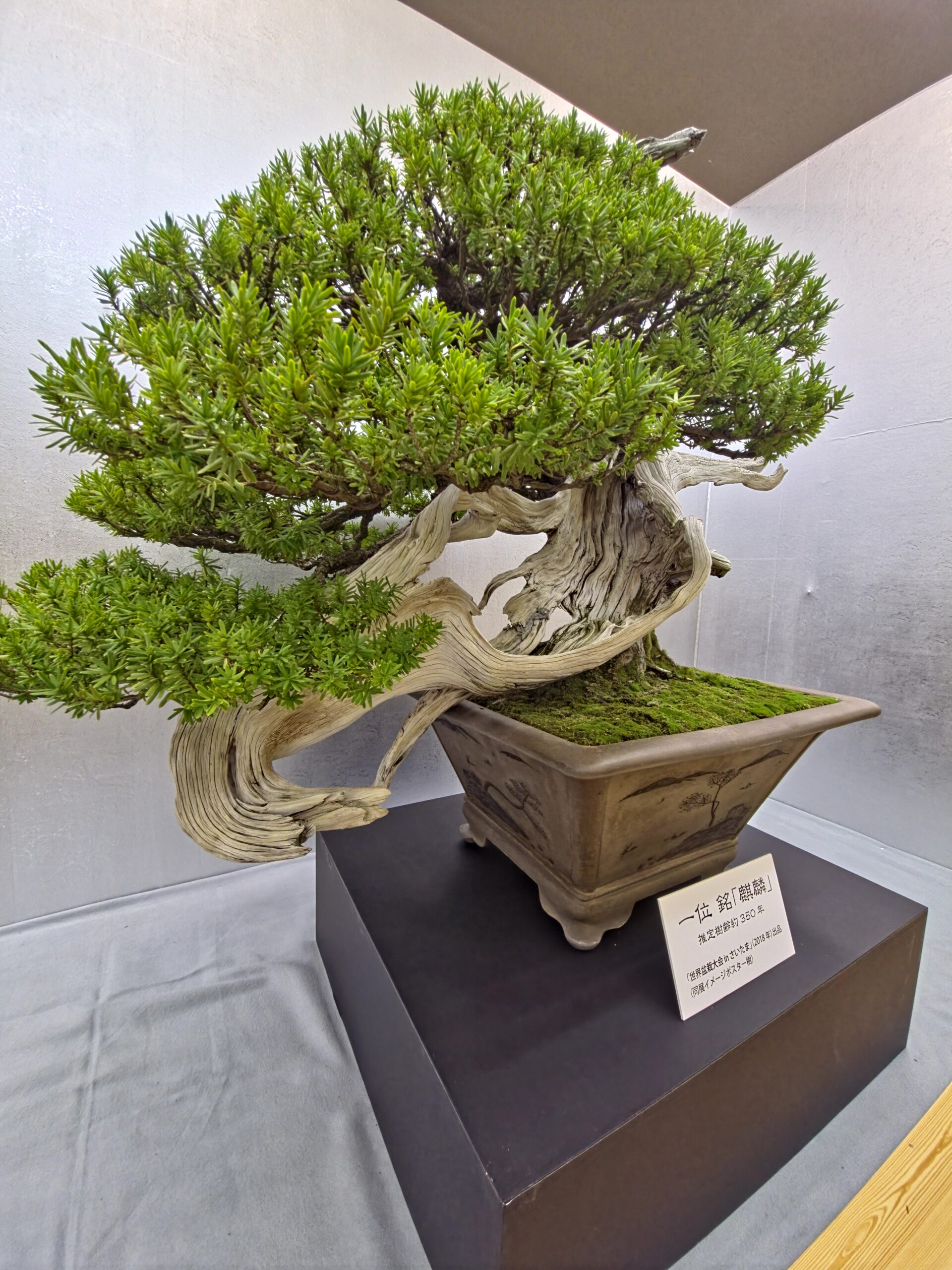
幹(Mi / The Trunk)
The trunk reveals a tree’s life story — its bends, age, weathering, and strength.
枝ぶり(Edaburi / Branch Structure)
Branches express the Japanese sense of 間(Ma) — the beauty of space and silence.
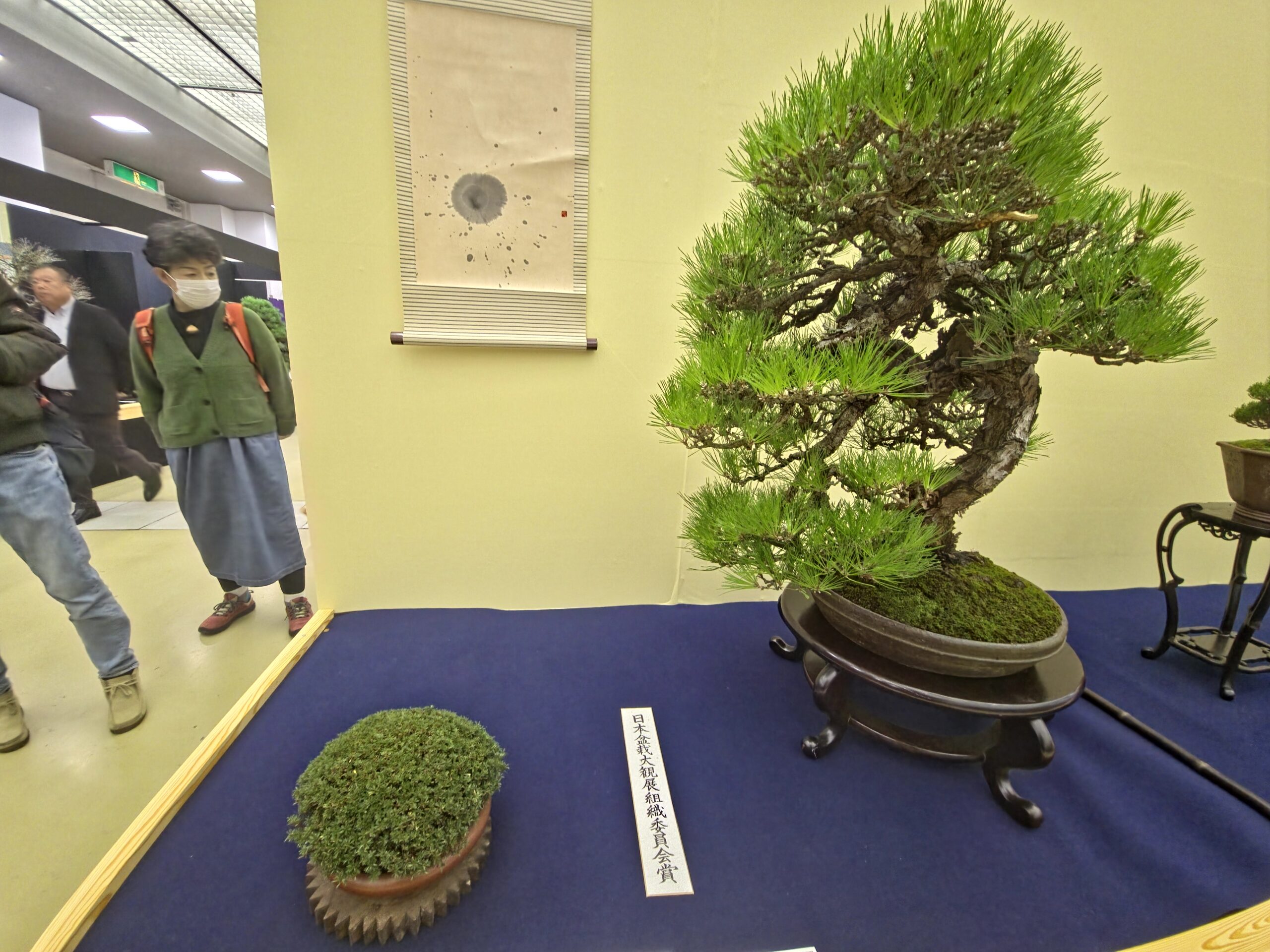
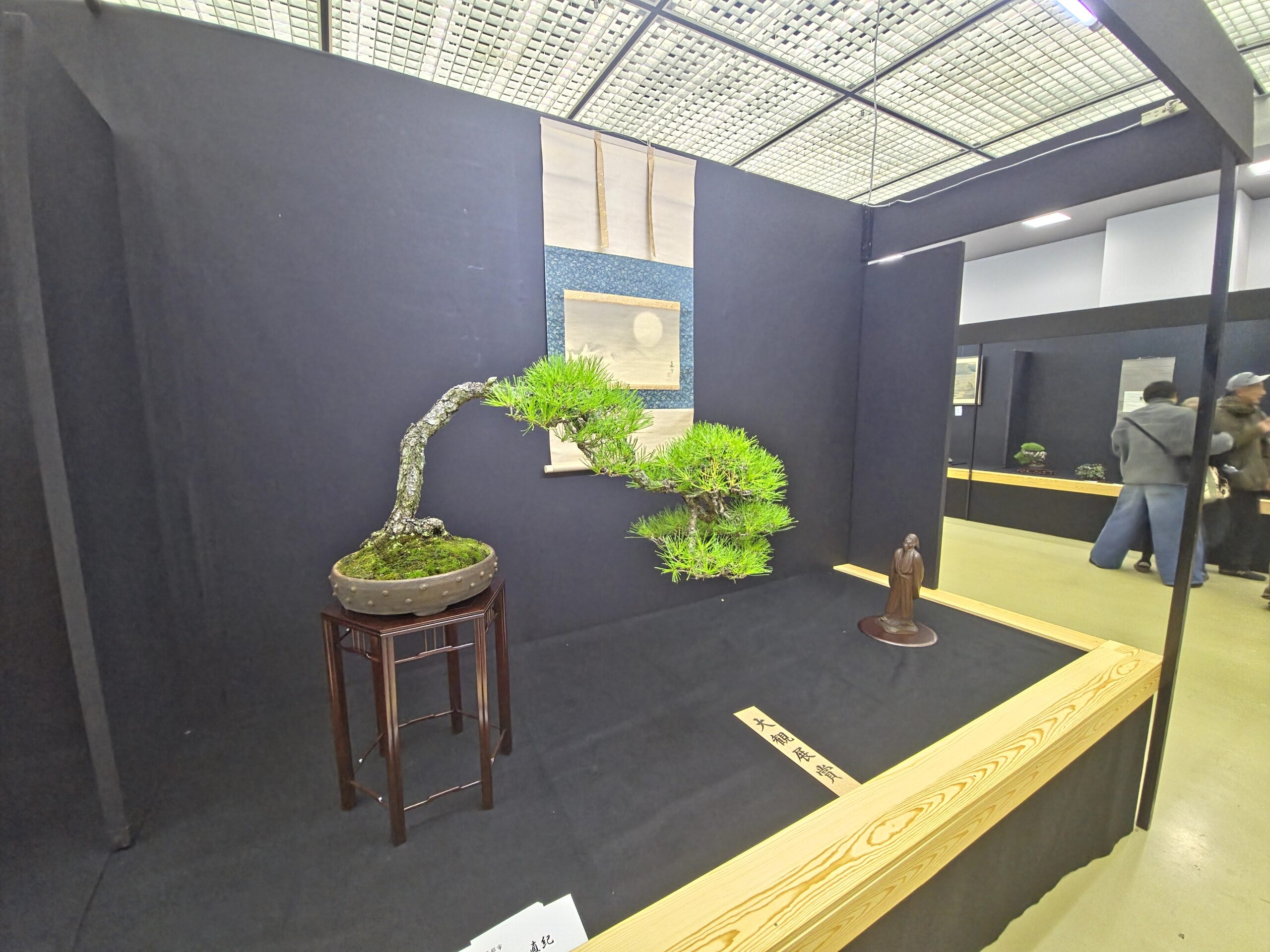
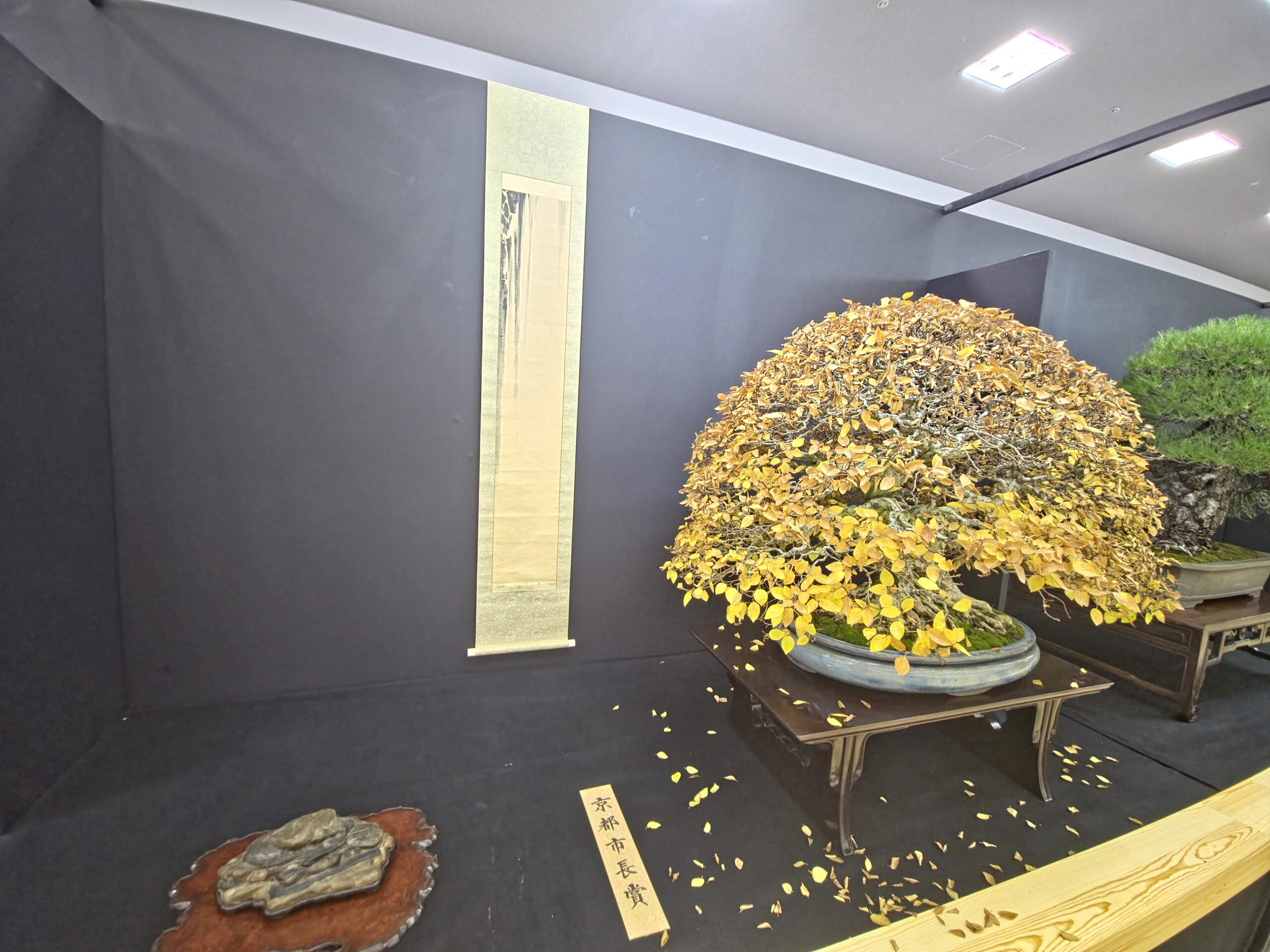
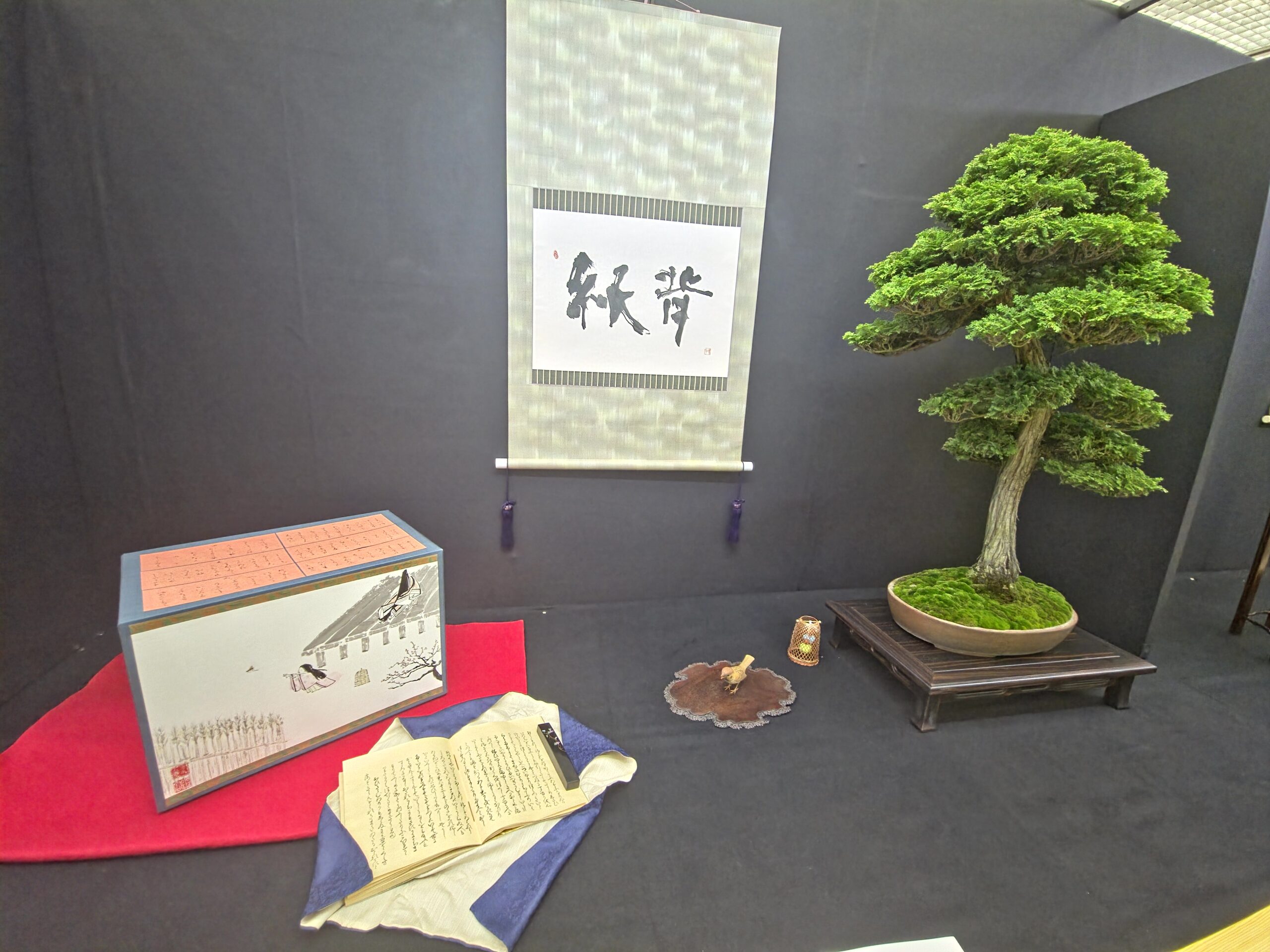
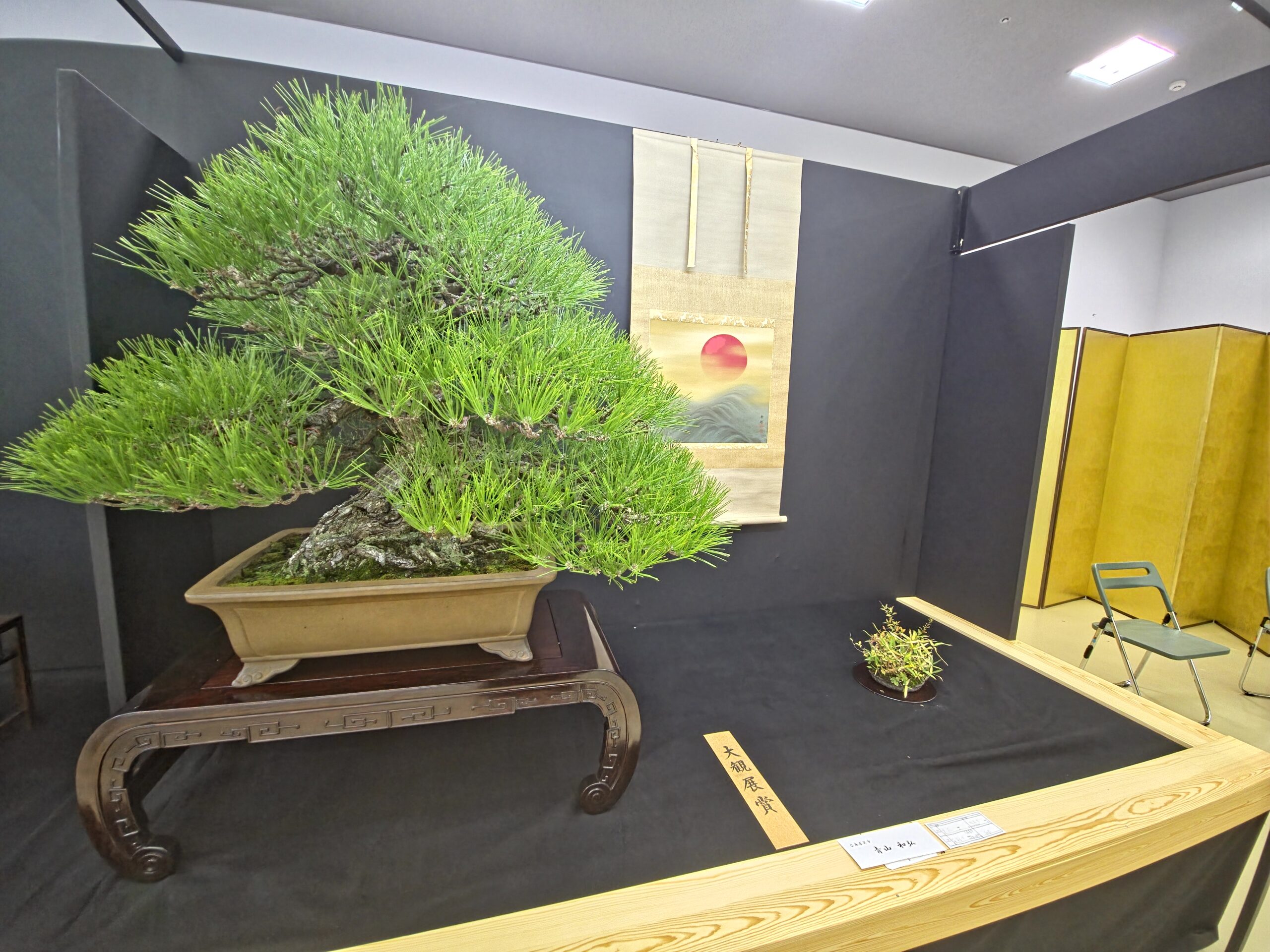
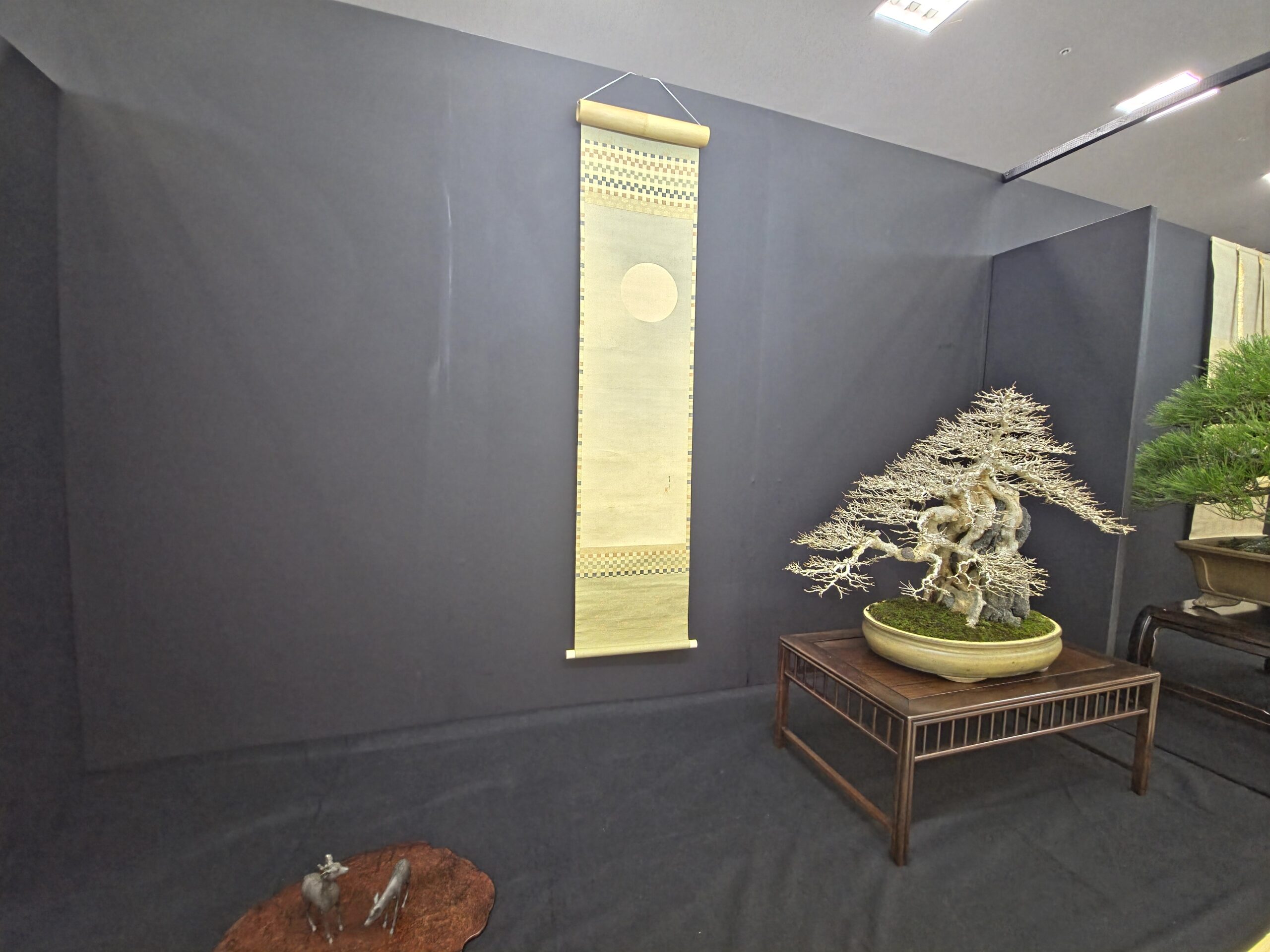
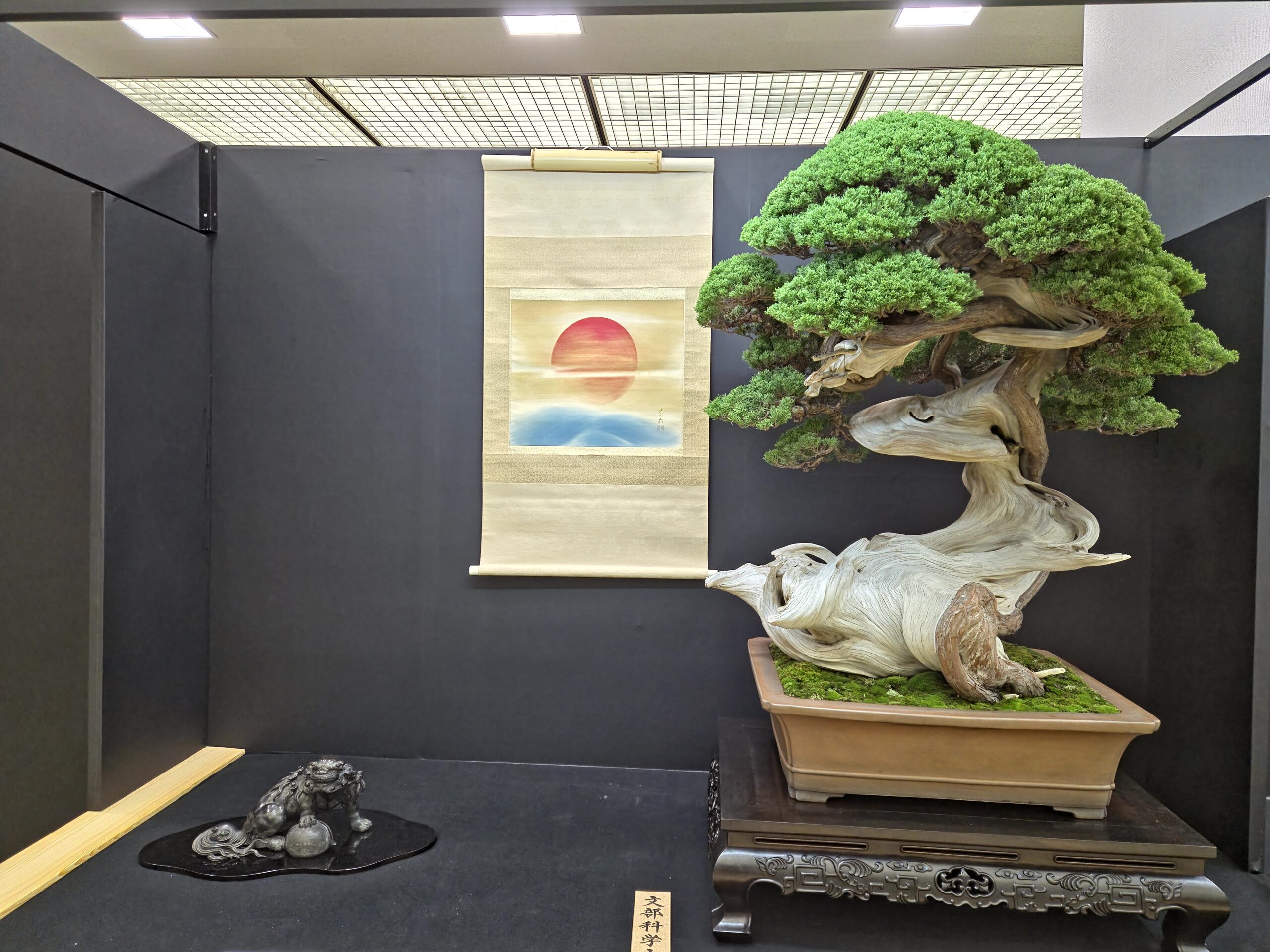
Elements of a Traditional Display
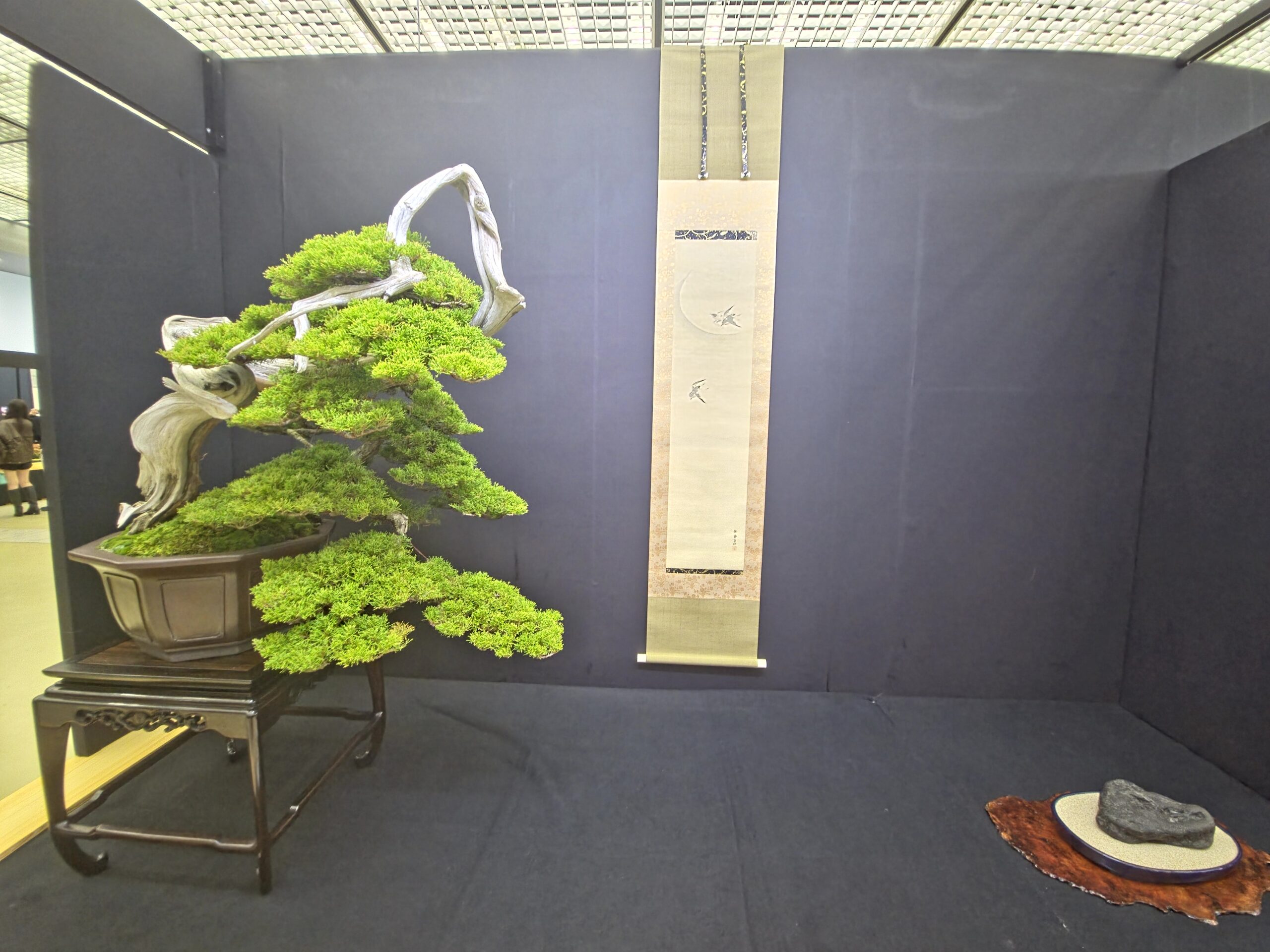
- 掛け軸(Kakejiku / Hanging Scroll)
- 水石(Suiseiki / Viewing Stone)
- 焼物(Yakimono / Ceramics)
- 添え草(Soe-gusa / Accent Plant)
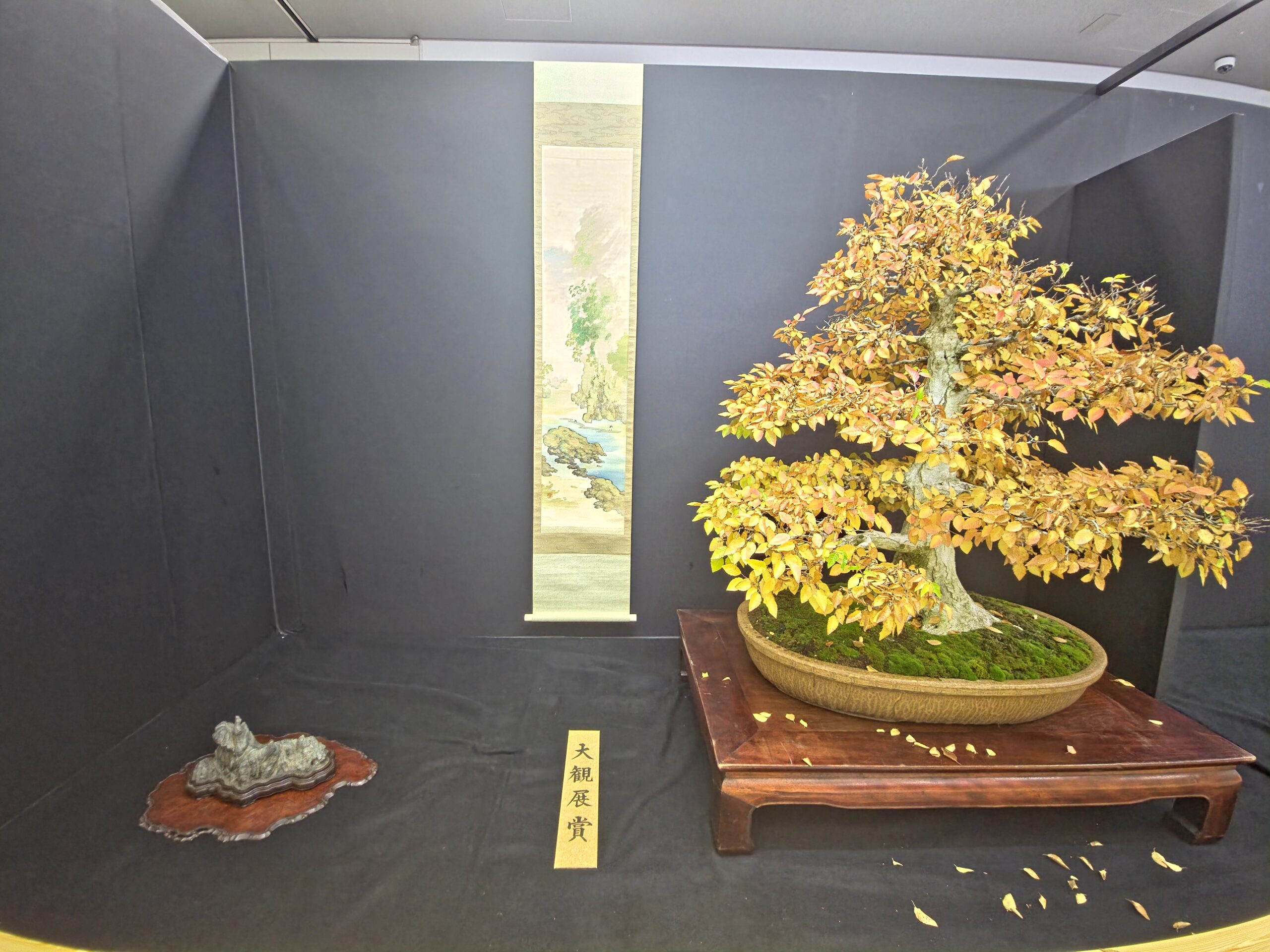
Together they create a small universe(小宇宙 / Shōuchū).
根張り(Nebari / Roots)
Nebari represents stability and dignity — how the tree “stands” in the world.
3. What Bonsai Reveals About Japanese Culture
簡素(Kanso / Simplicity)
Beauty born from restraint.
自然との調和(Shizen to no Chōwa / Harmony with Nature)
Rather than dominate nature, artists collaborate with it.
時間の美(Jikan no Bi / Beauty of Time)
Aging, imperfection, and change are celebrated.
侘寂(Wabi-sabi)
The elegance of impermanence.
職人精神(Shokunin Seishin / Craftsmanship)
Many Bonsai outlive the very masters who shaped them.
The World of Bonsai in Japan
Discover the art, philosophy, and quiet elegance of 盆栽(Bonsai) — and explore some of Japan’s most authentic Bonsai gardens in Kyoto & Shiga.
1. What Is Bonsai(盆栽 / Bonsai)?
Bonsai(盆栽)is not simply a miniature tree. It is a living artwork, a refined form of nature shaped through time, technique, and deep respect.
Through techniques such as 剪定(Sentei / pruning), 針金掛け(Harigane-gake / wiring), 植え替え(Uekae / repotting), and 根張り(Nebari / root refinement), the artist creates a natural landscape within a single pot. A Bonsai can evoke mountains, wind, age, resilience, and the quiet dignity that only time can build.
Bonsai is not “small nature.” It is nature distilled into essence.
2. How to Appreciate Bonsai – Perspective, Aesthetics & Worldview
正面(Shōmen / The Front)
Each Bonsai has a carefully chosen 正面(Shōmen)— the viewing angle where trunk, roots, and branches appear in their most harmonious balance.
幹(Mi / The Trunk)
The 幹(Mi)reveals the life story of the tree: bends shaped by wind, bark aged by decades, and a sense of gravity that reflects the passage of time.
枝ぶり(Edaburi / Branch Structure)
枝ぶり(Edaburi)expresses rhythm and flow. The “empty” spaces between branches embody the Japanese concept of 間(Ma)— the beauty of silence and space.
根張り(Nebari / Roots)
根張り(Nebari)represents stability and dignity — how the tree “stands” in the world and anchors itself in time.
Elements of a Traditional Bonsai Display
- 掛け軸(Kakejiku / Hanging Scroll)
- 水石(Suiseiki / Viewing Stone)
- 焼物(Yakimono / Ceramics)
- 添え草(Soe-gusa / Accent Plant)
Together, these elements form a small universe(小宇宙 / Shōuchū) that invites the viewer into a quiet, poetic world.
3. What Bonsai Reveals About Japanese Culture
簡素(Kanso / Simplicity)
Beauty emerges through clarity and restraint. Instead of adding more, Bonsai removes what is unnecessary.
自然との調和(Shizen to no Chōwa / Harmony with Nature)
Rather than controlling nature, Japanese artistry collaborates with it — guiding gently, listening closely.
時間の美(Jikan no Bi / Beauty of Time)
Aging, imperfection, and weathering are celebrated. Time deepens beauty, and an old Bonsai embodies this truth.
侘寂(Wabi-sabi)
The quiet elegance of impermanence: subtle flaws, asymmetry, and fading colors become the heart of the charm.
職人精神(Shokunin Seishin / Craftsmanship)
Behind each Bonsai stands a lifetime of dedication. Many trees outlive the very masters who shaped them, carrying their spirit into the future.
4. Bonsai Gardens in Kyoto & Shiga – Deep Guide
Kyoto embodies 雅(Miyabi / Elegance), while Shiga offers 静謐(Seihitsu / Tranquility). Together, they form one of the most beautiful regions to experience Bonsai in Japan.
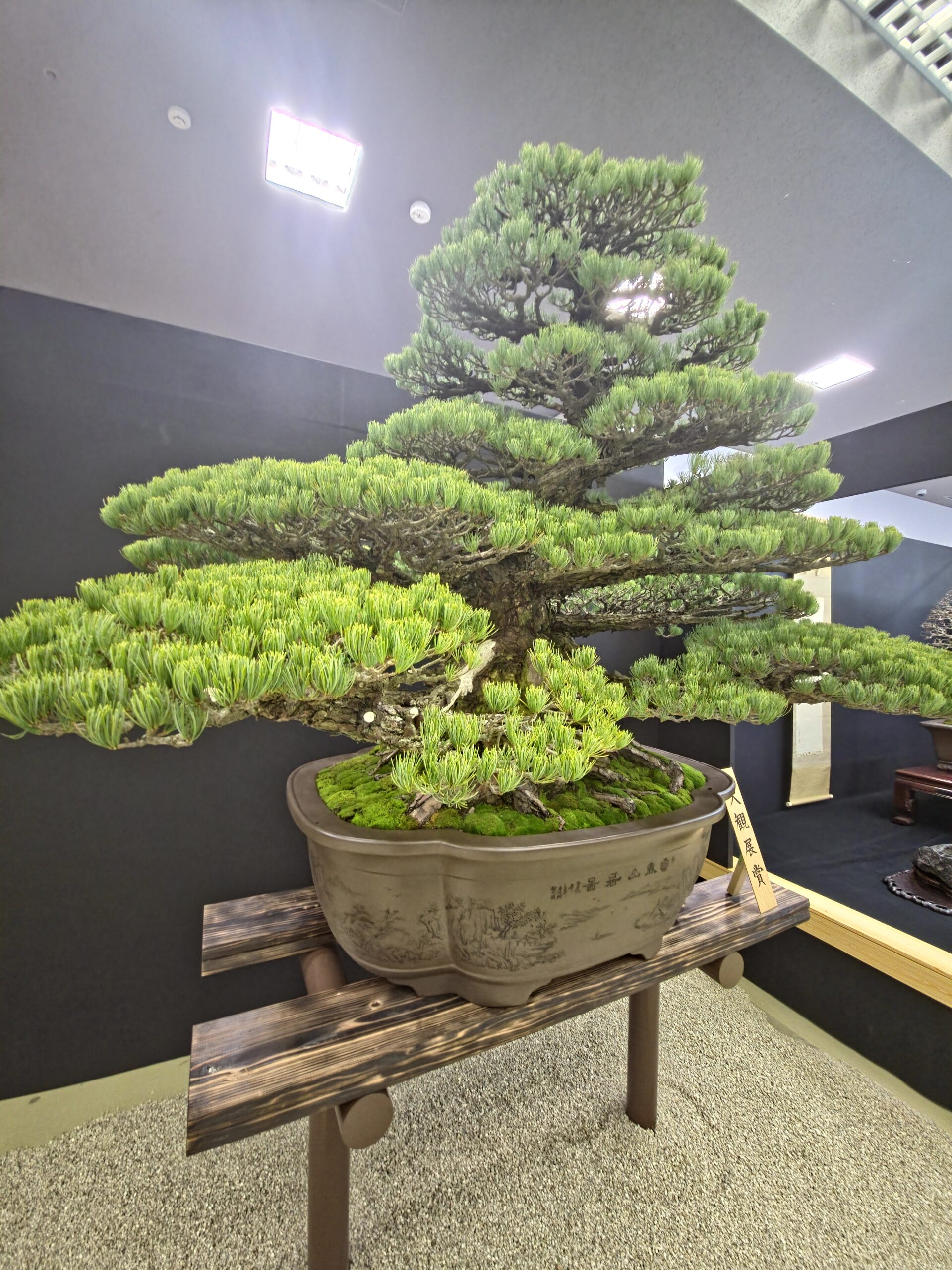
UMEKOEN is one of Kyoto’s oldest and most respected Bonsai gardens, quietly nestled in the eastern foothills. The garden presents refined masterpieces such as Kuromatsu(黒松 / Japanese Black Pine), Shinpaku(真柏 / Juniper), and Goyōmatsu(五葉松 / Japanese White Pine). Far from crowded sightseeing spots, it offers a serene atmosphere where you can feel the pure, original tranquility of Bonsai.
- Elegant, Kyoto-style Bonsai shaped with exceptional craftsmanship
- Natural mountain light and breeze that enhance each tree
- A peaceful setting away from tourist noise
Seikouen is a long-established Bonsai garden deeply connected to Kyoto’s traditional culture. Many mature trees with powerful trunks and graceful forms are carefully maintained here, making it a favorite among locals and connoisseurs.
- Impressive collections of Kuromatsu(黒松)and Goyōmatsu(五葉松)
- Excellent branch structure and classical Bonsai form
- A calm garden that reflects Kyoto’s refined Bonsai aesthetics
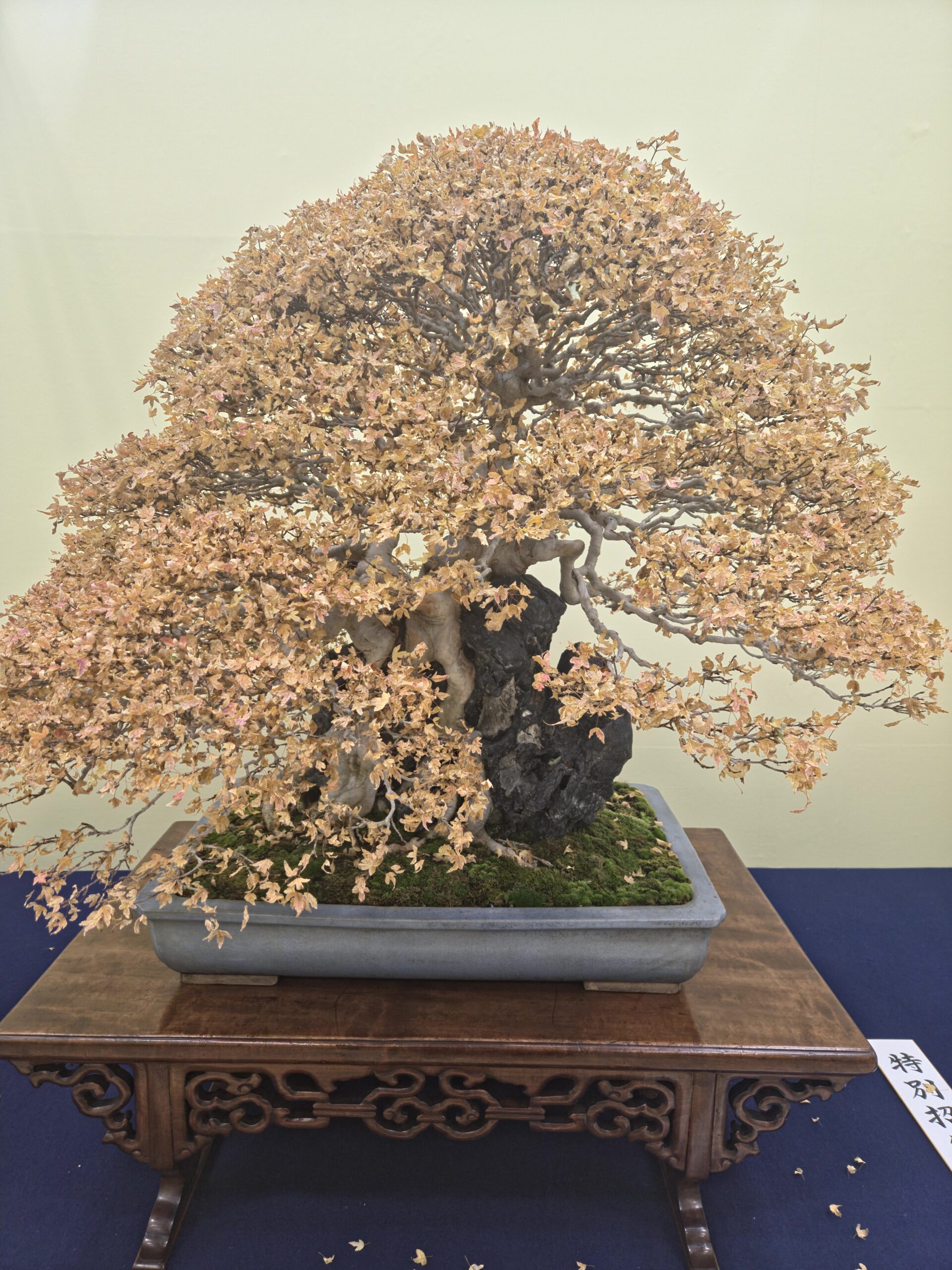
This studio in northern Kyoto is renowned for its Momiji(紅葉 / Japanese Maple)Bonsai. Here the four seasons appear vividly through maples that transform dramatically from spring to winter.
- Spring: fresh, delicate buds
- Summer: glowing green foliage in soft light
- Autumn: spectacular red and orange leaves
- Winter: minimalist silhouettes showcasing pure branch structure
- Beautifully crafted Shōhin(小品 / small Bonsai)
Located on the slopes near Mt. Hiei and overlooking Lake Biwa(琵琶湖 / Biwa), Kosui-en is Shiga’s signature Bonsai garden. The land’s climate and light create ideal conditions for Bonsai that feel close to untouched nature.
- Outstanding Kuromatsu and Goyōmatsu masterpieces
- Beautiful natural lighting, perfect for photography
- Occasional workshops for hands-on learning
Held each winter, this is Japan’s most renowned Bonbai(盆梅 / Plum Bonsai)exhibition. Ancient plum trees aged between 100 and 300 years bloom together, filling the space with a gentle fragrance and a uniquely Japanese sense of winter beauty.
- A breathtaking hall filled with blooming ancient Bonbai
- Multiple 300-year-old trees displayed each year
- A beloved subject for photographers and cultural travelers
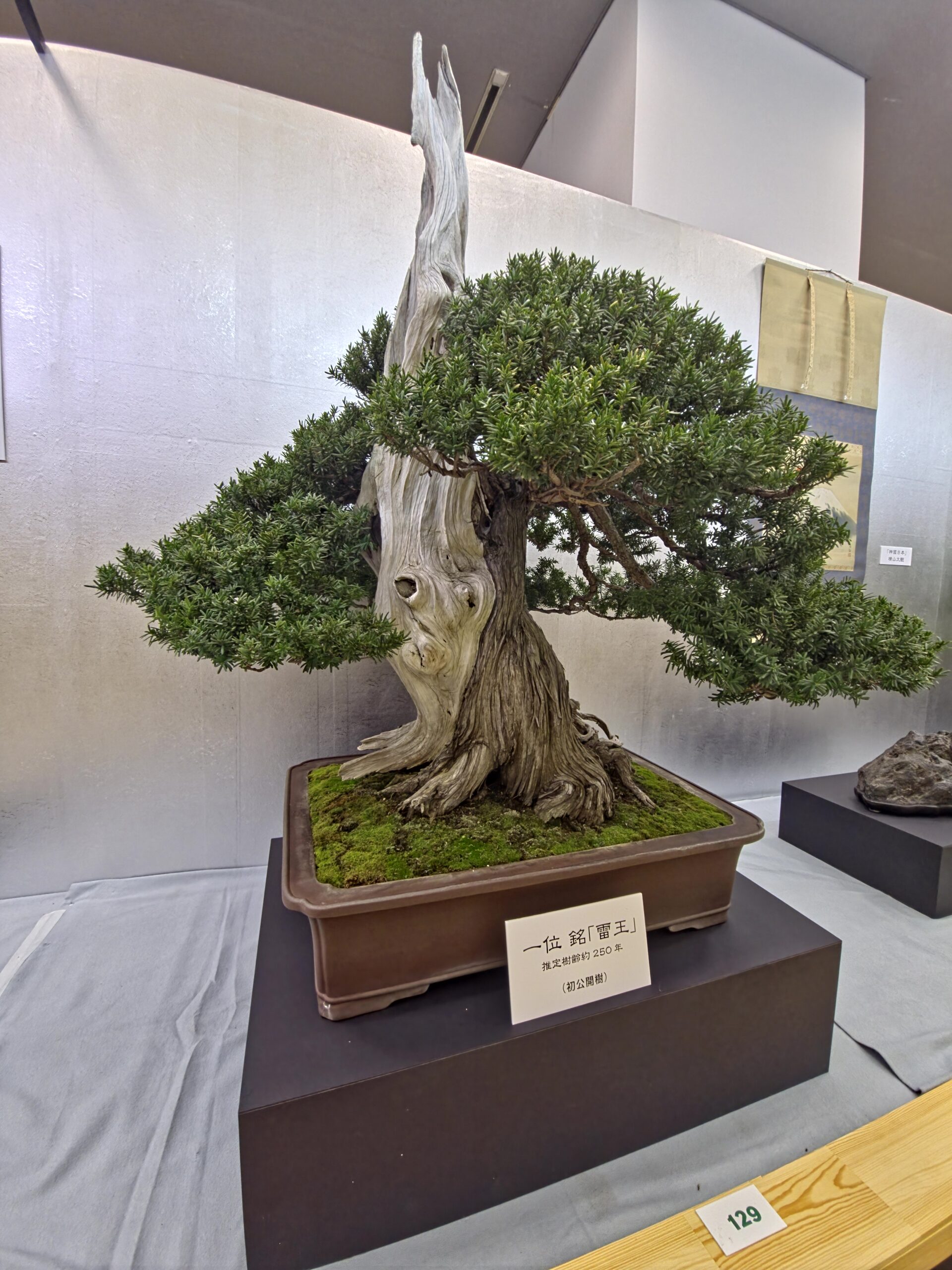
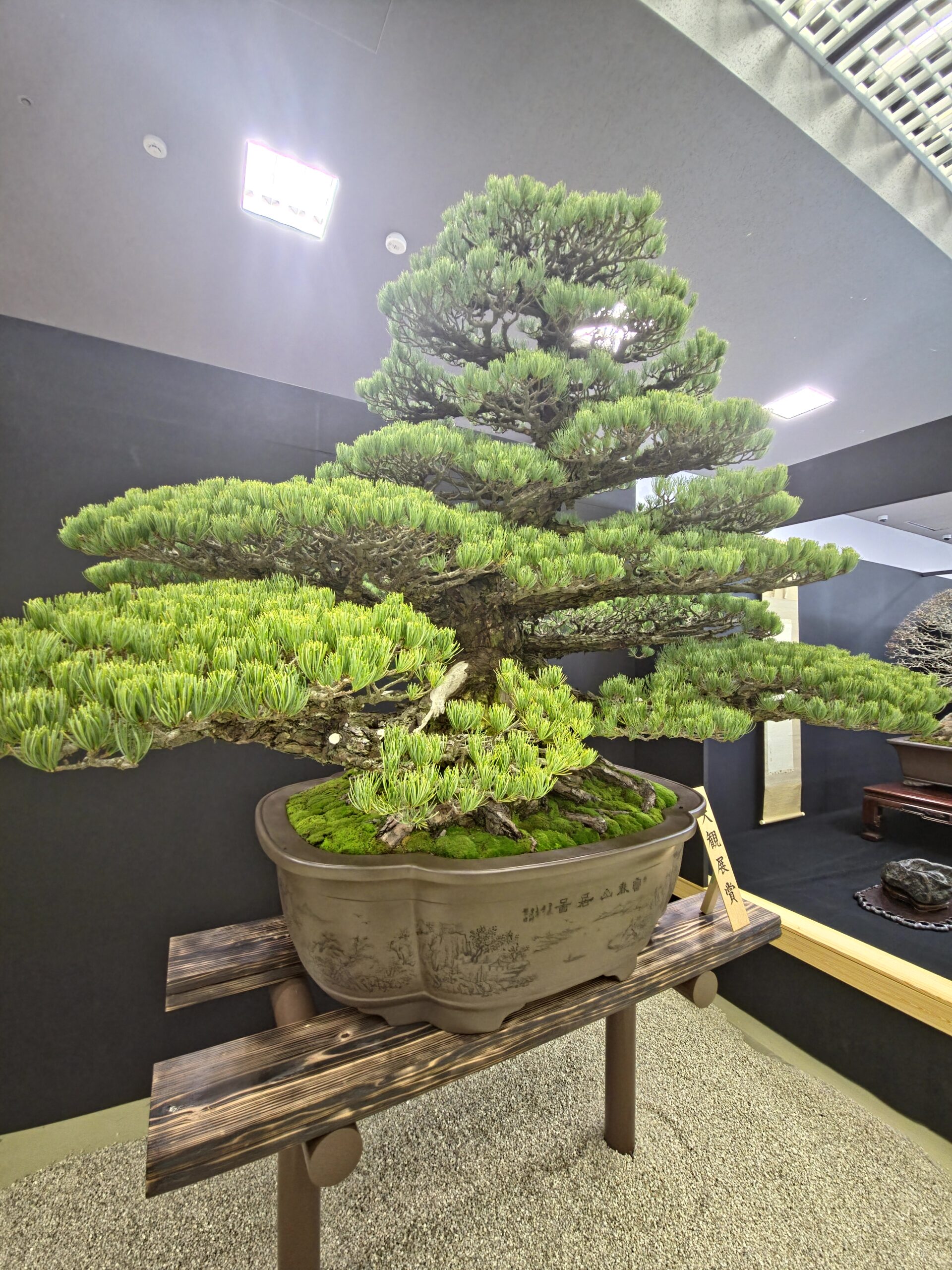
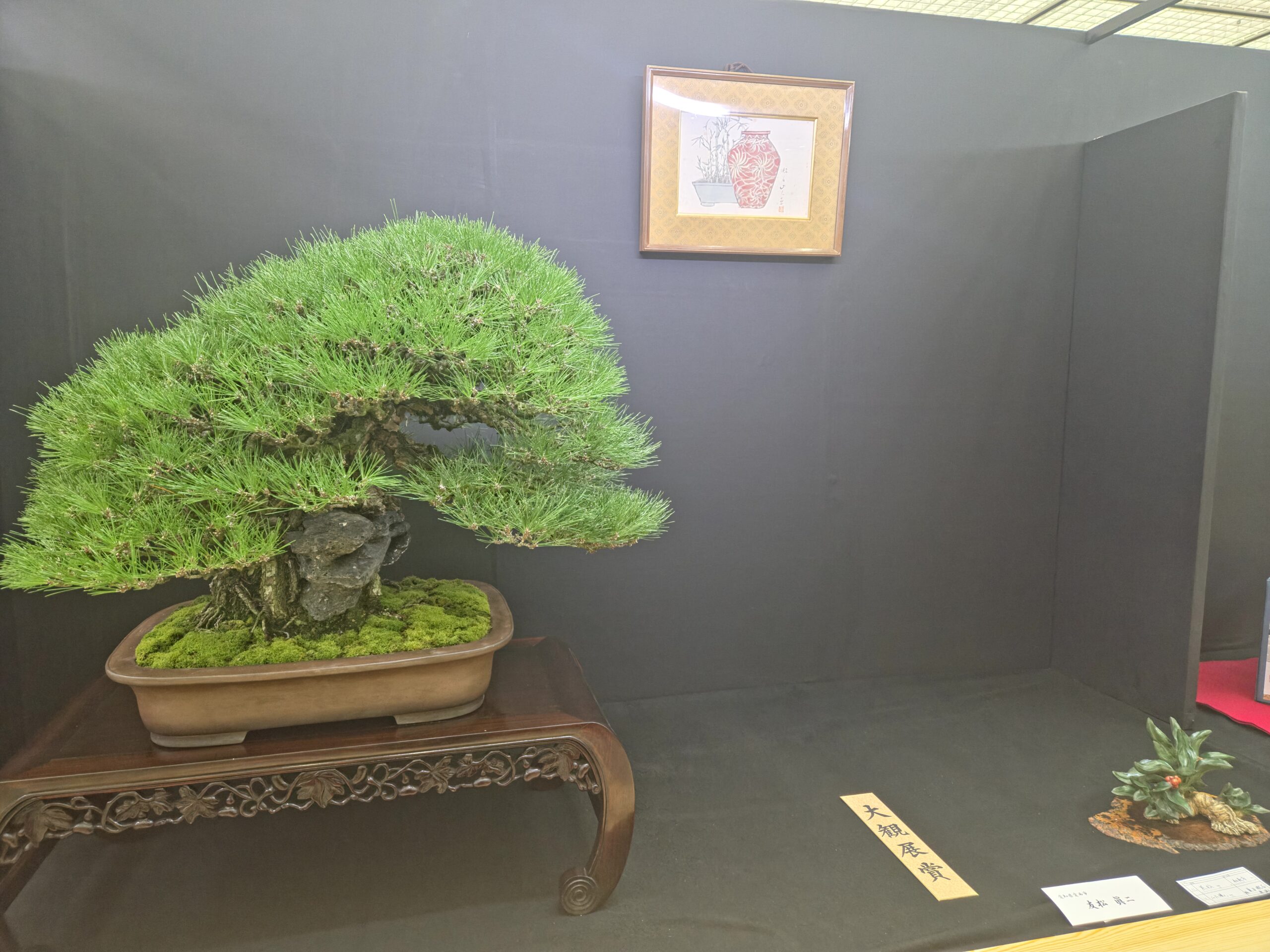
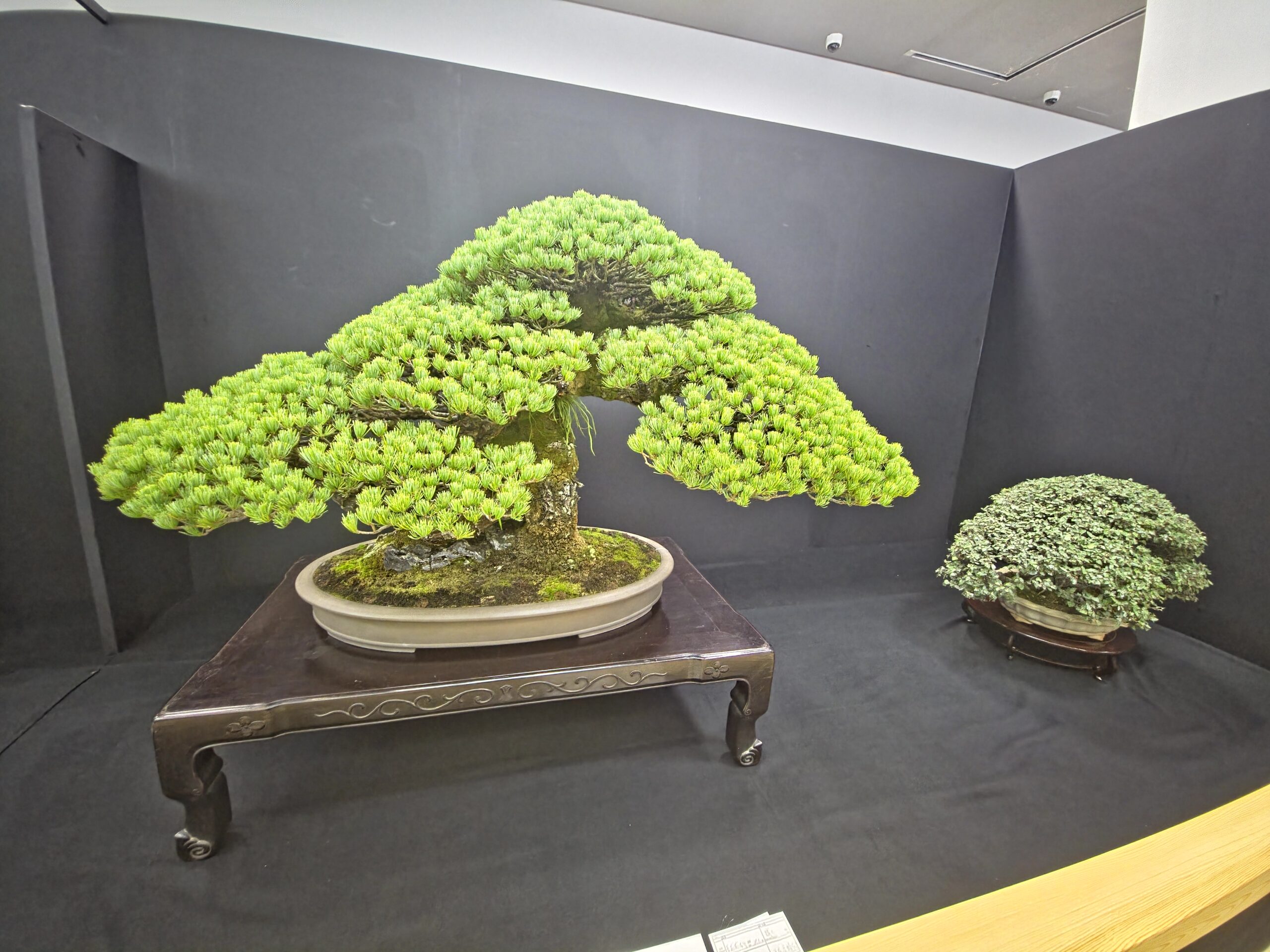
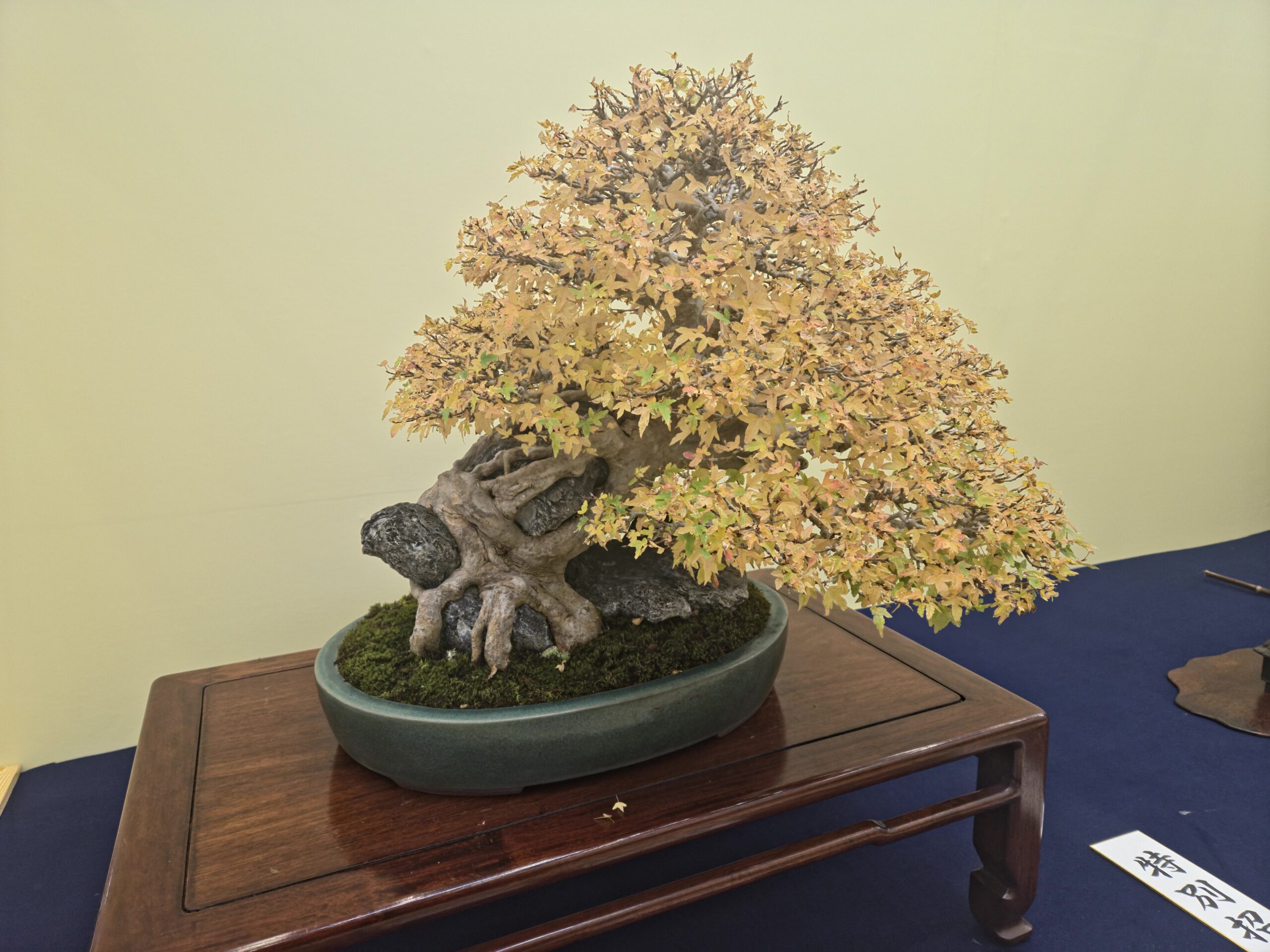
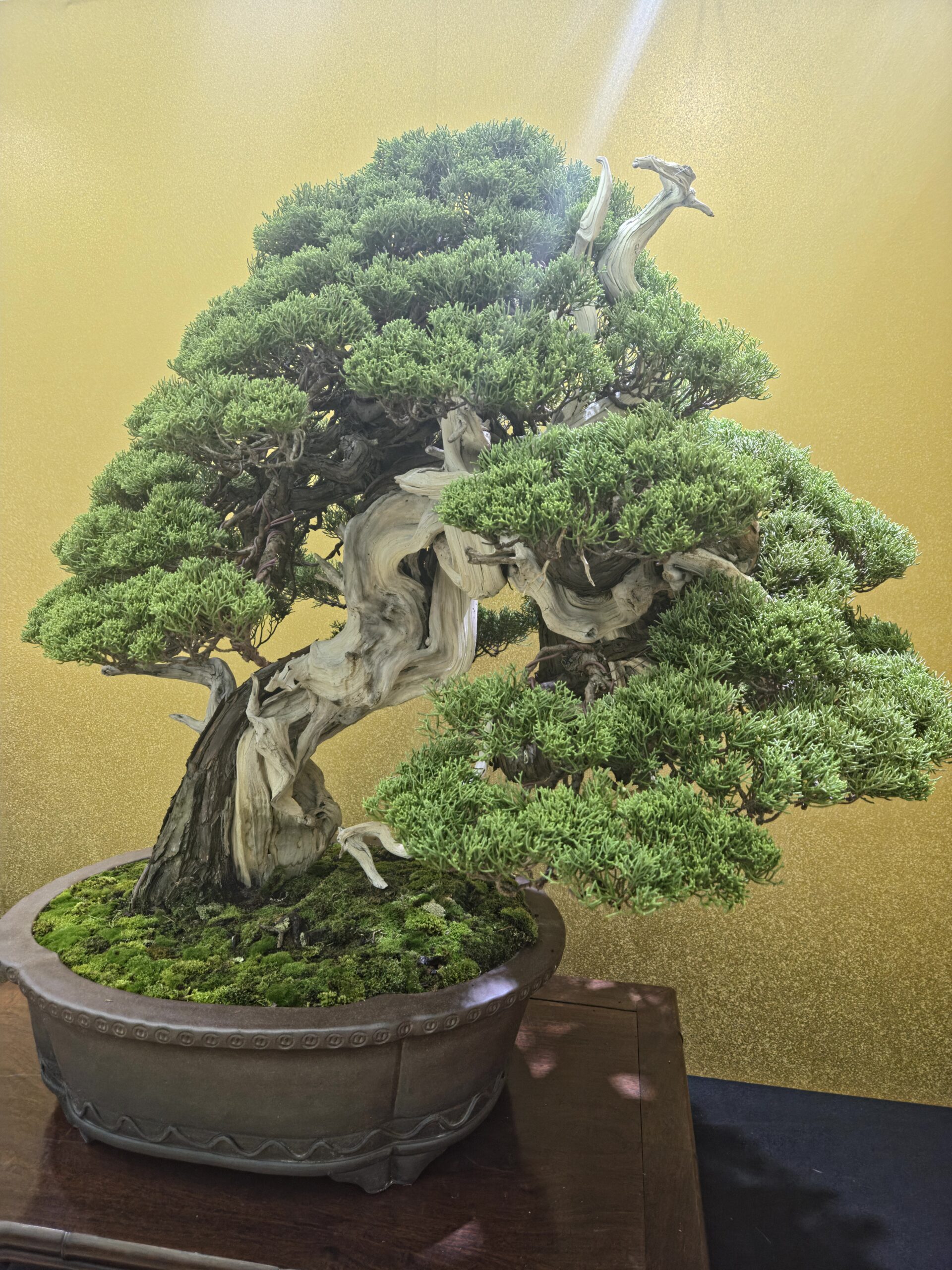
Photo Gallery – Bonsai, Seasons & Atmosphere
A curated gallery of Kyoto & Shiga Bonsai gardens. Tap any photo to enlarge.
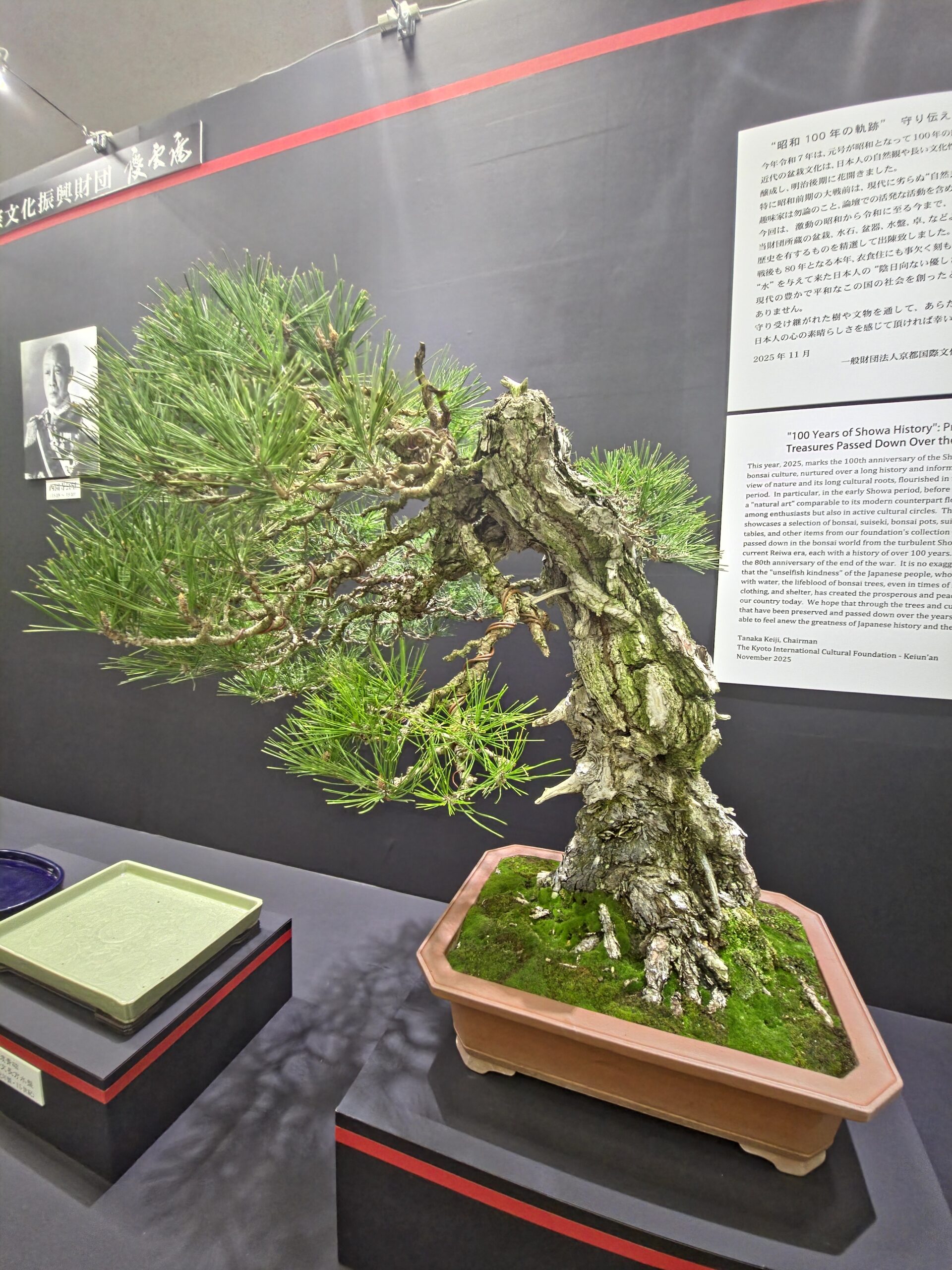
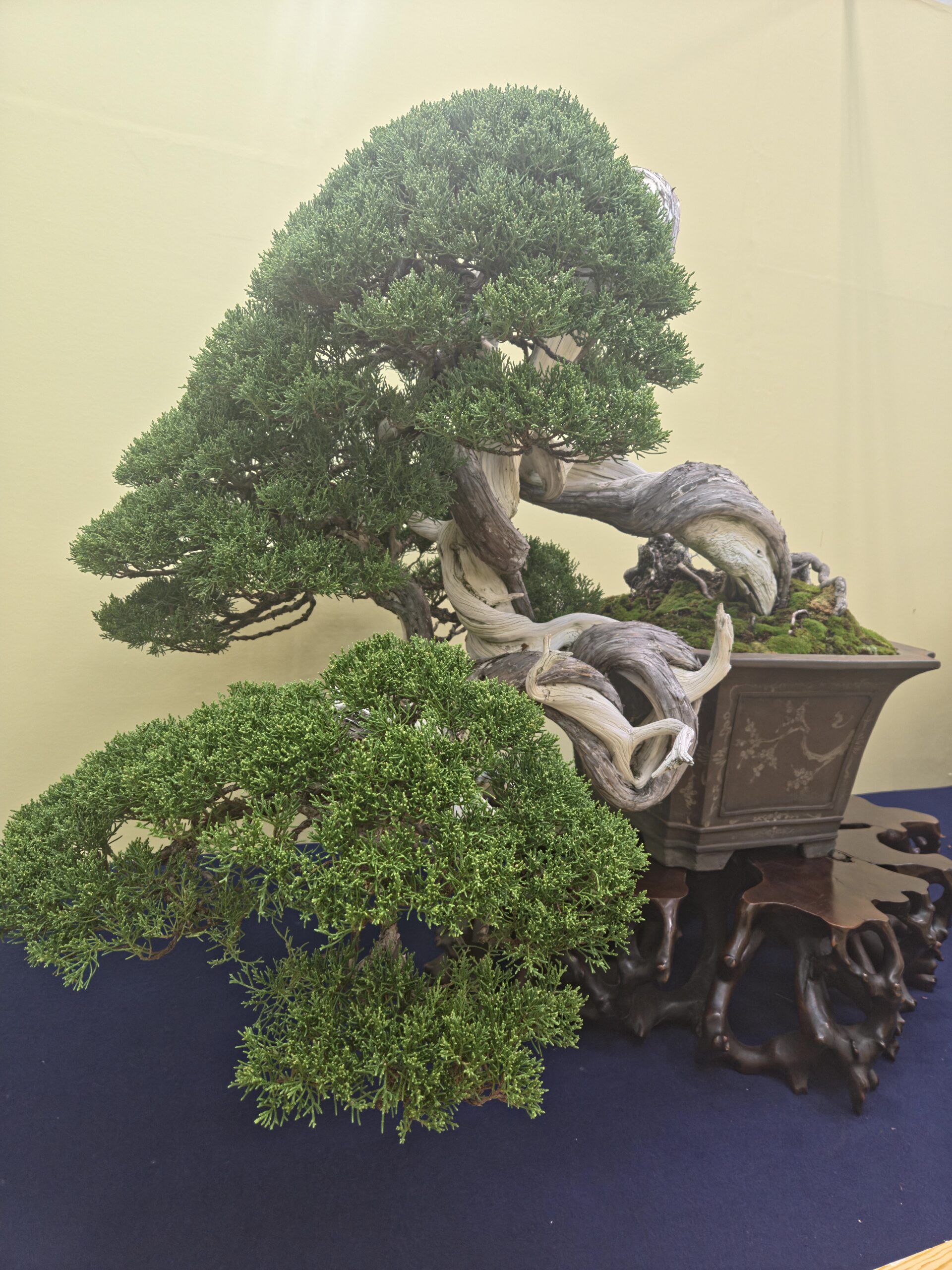
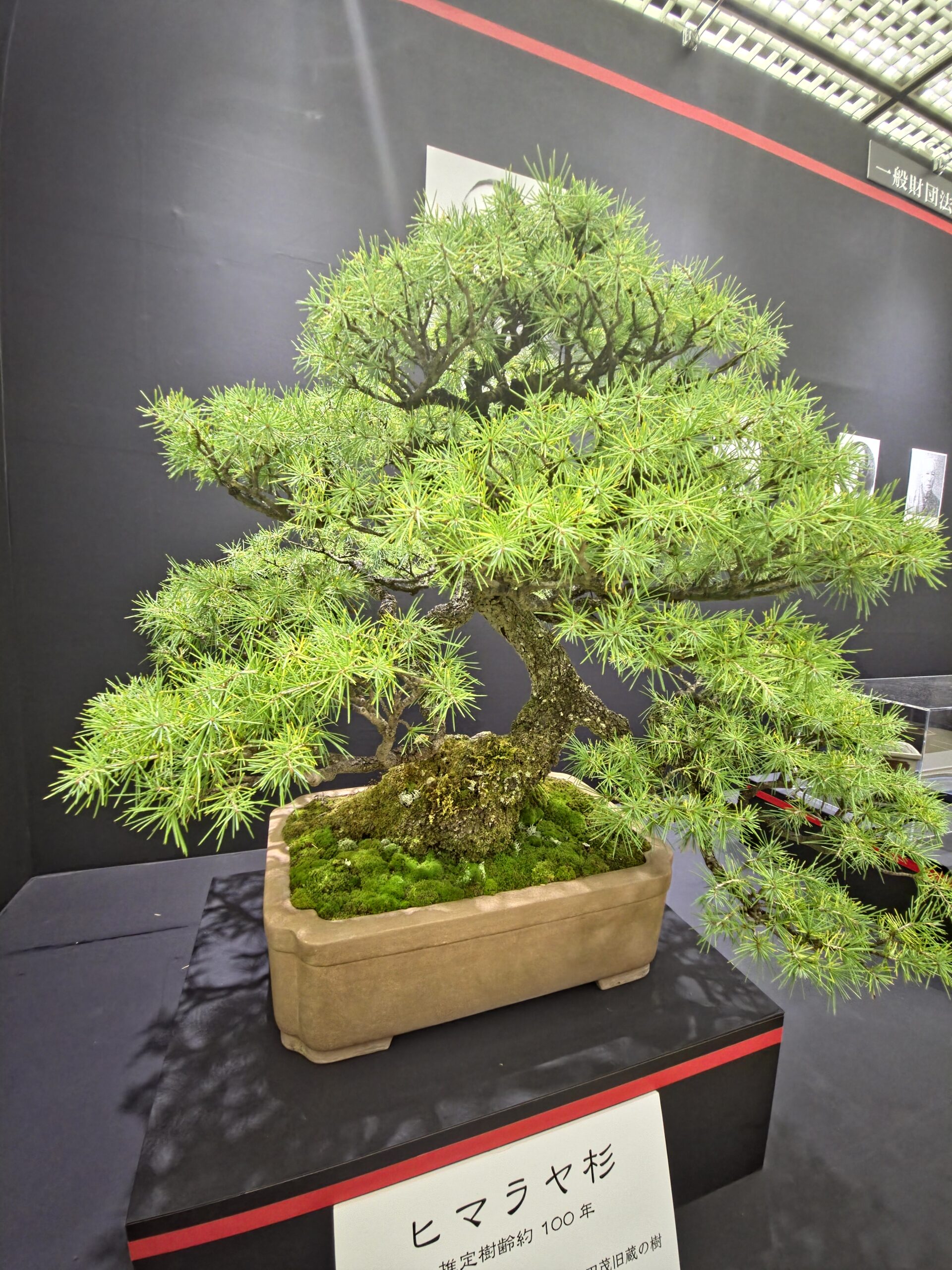
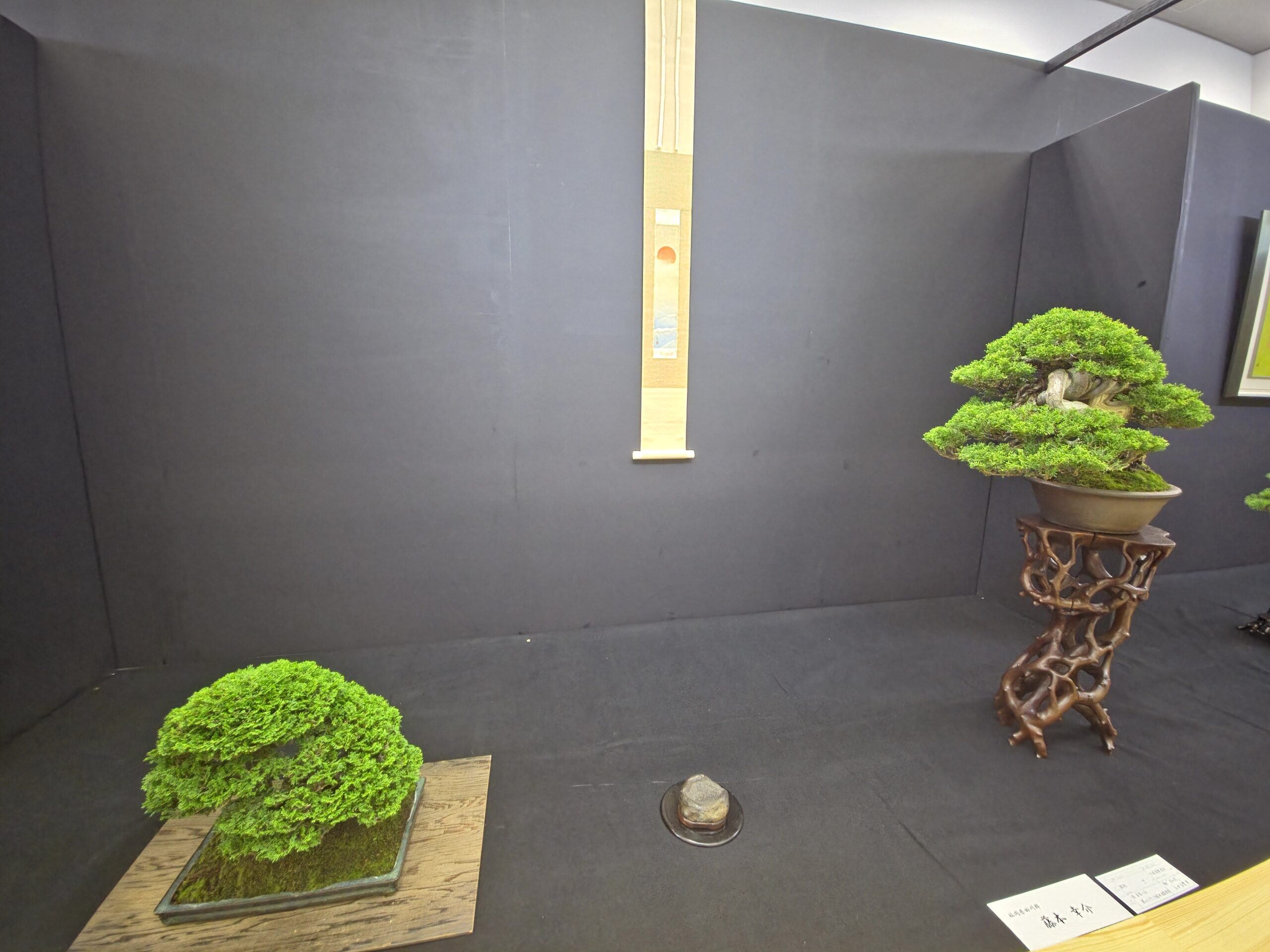
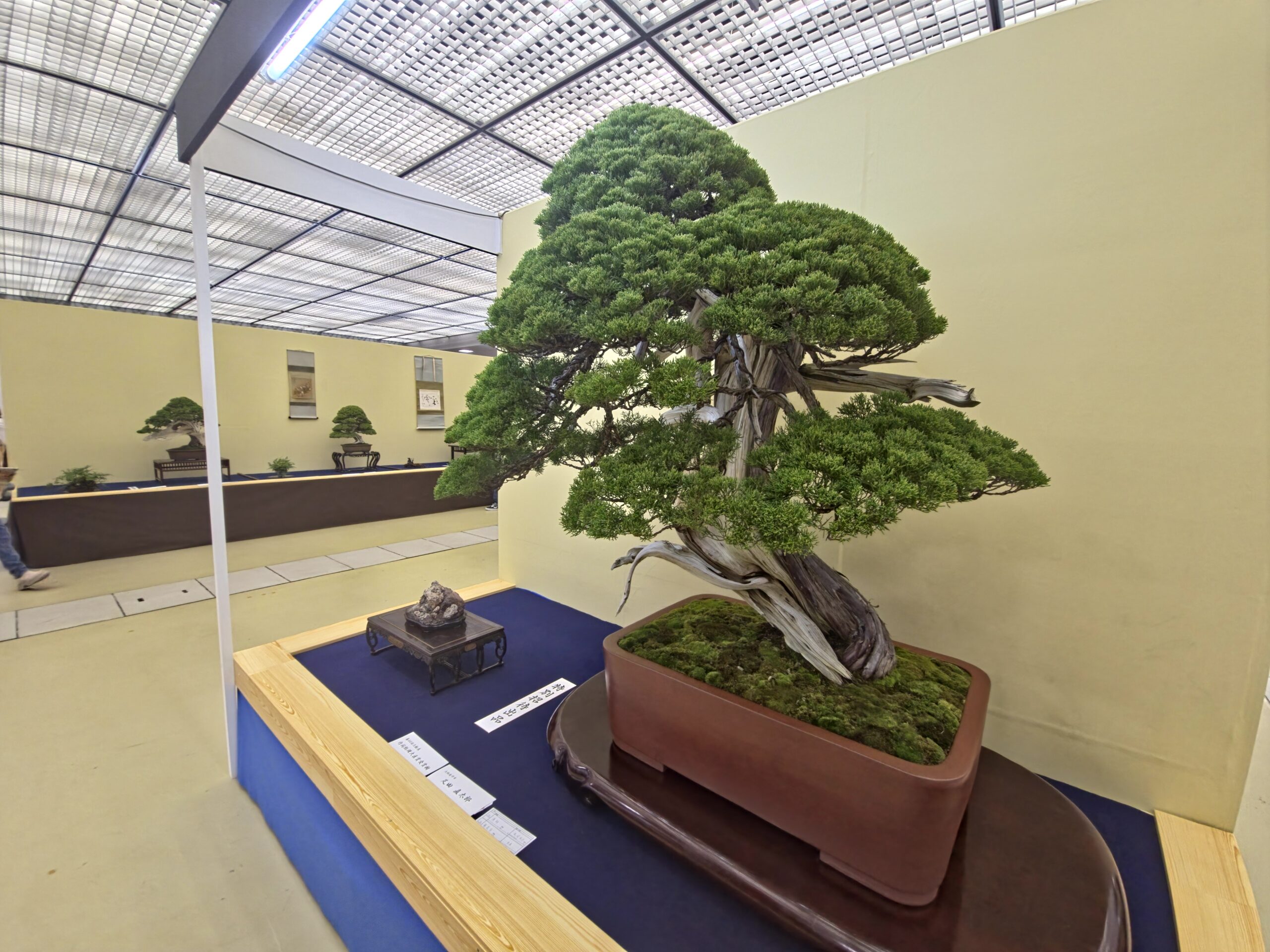
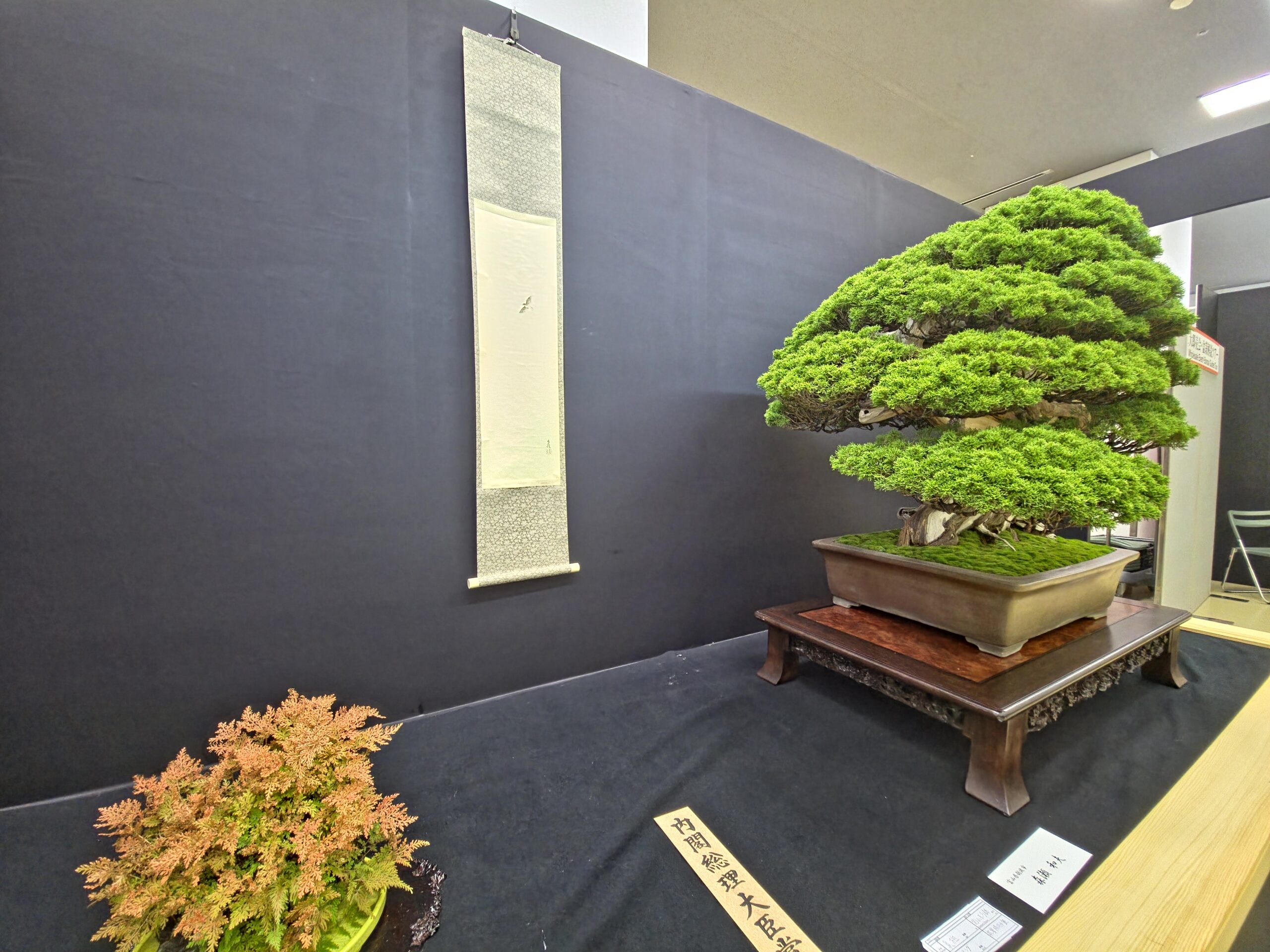
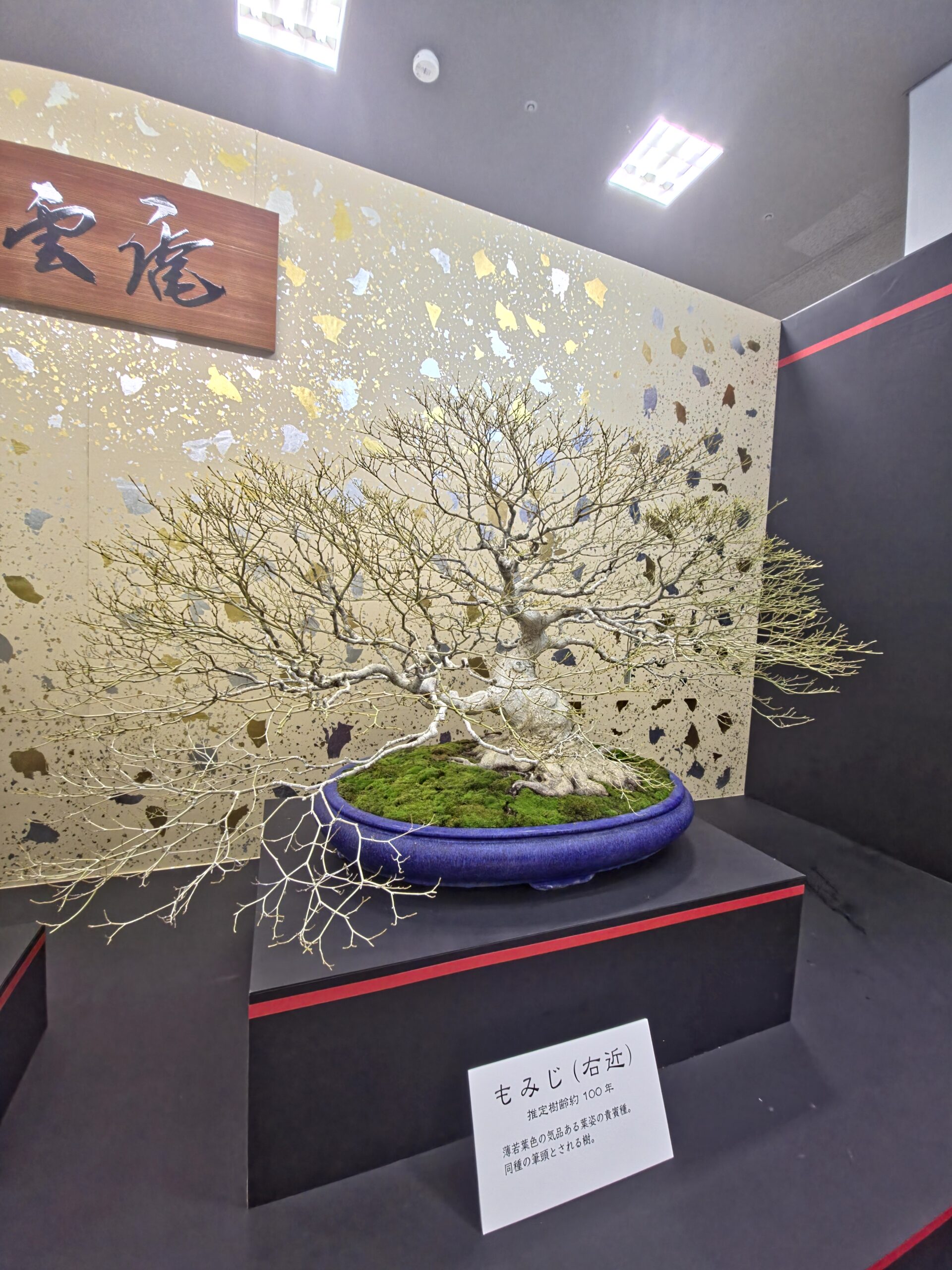
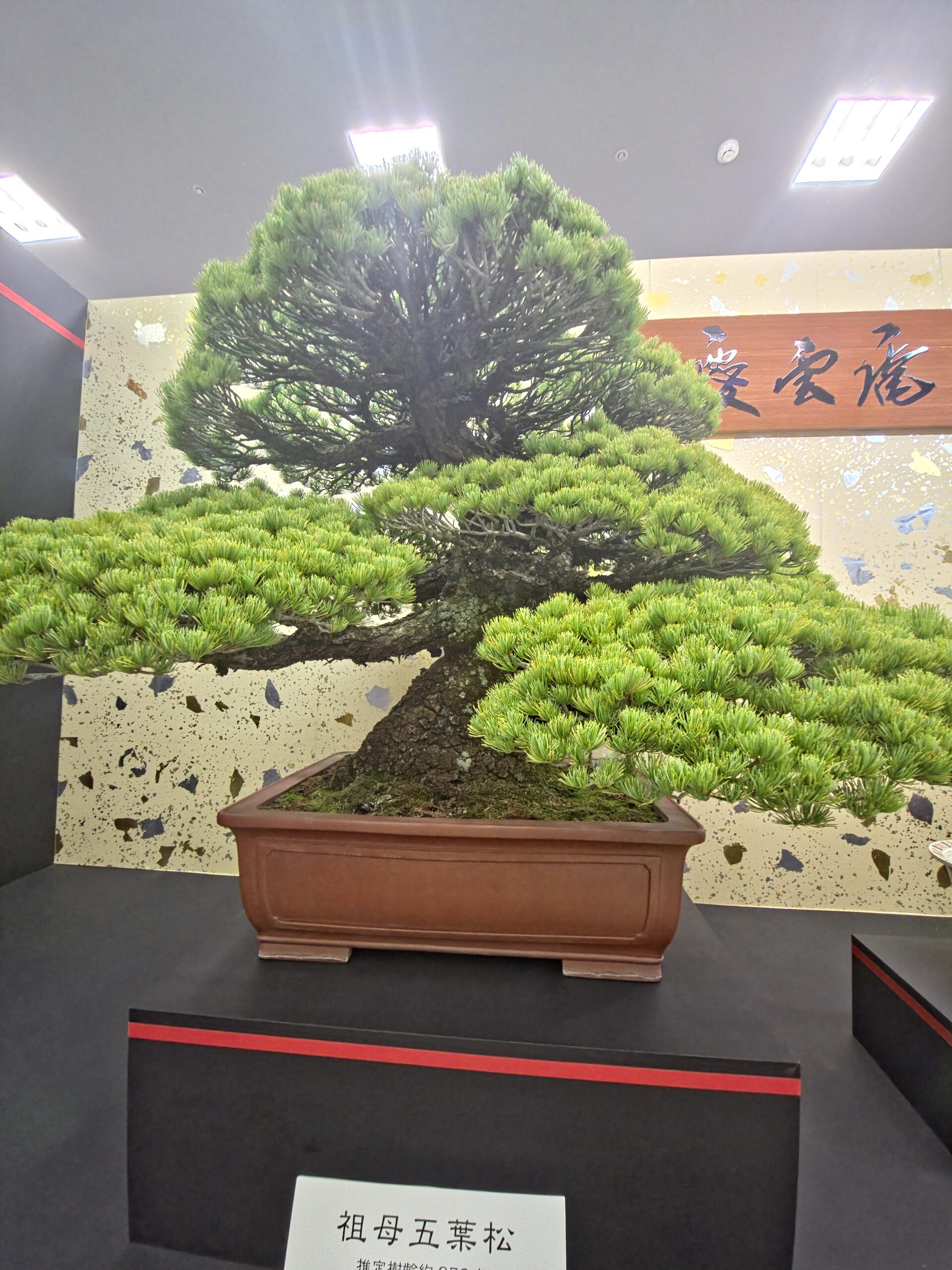
Supplement – If You Visit Tokyo (Kanto Region)
For guests who are also traveling to Tokyo and wish to experience a world-class Bonsai museum, the following destination is highly recommended.
Founded by internationally renowned master Kunio Kobayashi, Shunkaen Bonsai Museum is one of Japan’s most influential Bonsai institutions. It presents ancient Shinpaku and other masterpieces in beautifully composed displays.
- World-class ancient Bonsai, including Shinpaku masterpieces
- Exquisite displays combining Bonsai, Kakejiku(掛け軸), and Suiseiki(水石)
- Workshops suitable for both beginners and serious enthusiasts
5. Explore Bonsai with Toru Tour – A Deeper Journey into Japanese Beauty
With Toru Tour, Bonsai is not just something you look at – it becomes a doorway into Japanese culture itself.
We can guide you through Kyoto and Shiga’s finest Bonsai gardens, explain key aesthetics such as 根張り(Nebari), 枝ぶり(Edaburi), 掛け軸(Kakejiku), and 水石(Suiseiki), and curate quiet, meaningful spaces away from the crowds.
More than sightseeing, this is an invitation to step into the heart of Japanese elegance, silence, and craftsmanship. If you would like a personalized Bonsai experience in Kyoto, Shiga – or beyond – we would be honored to guide you.