
Sanjusangendo — A Sanctuary Where Time Breathes Slowly
1. History — 八百年の祈りが息づく伽藍 (Garan)
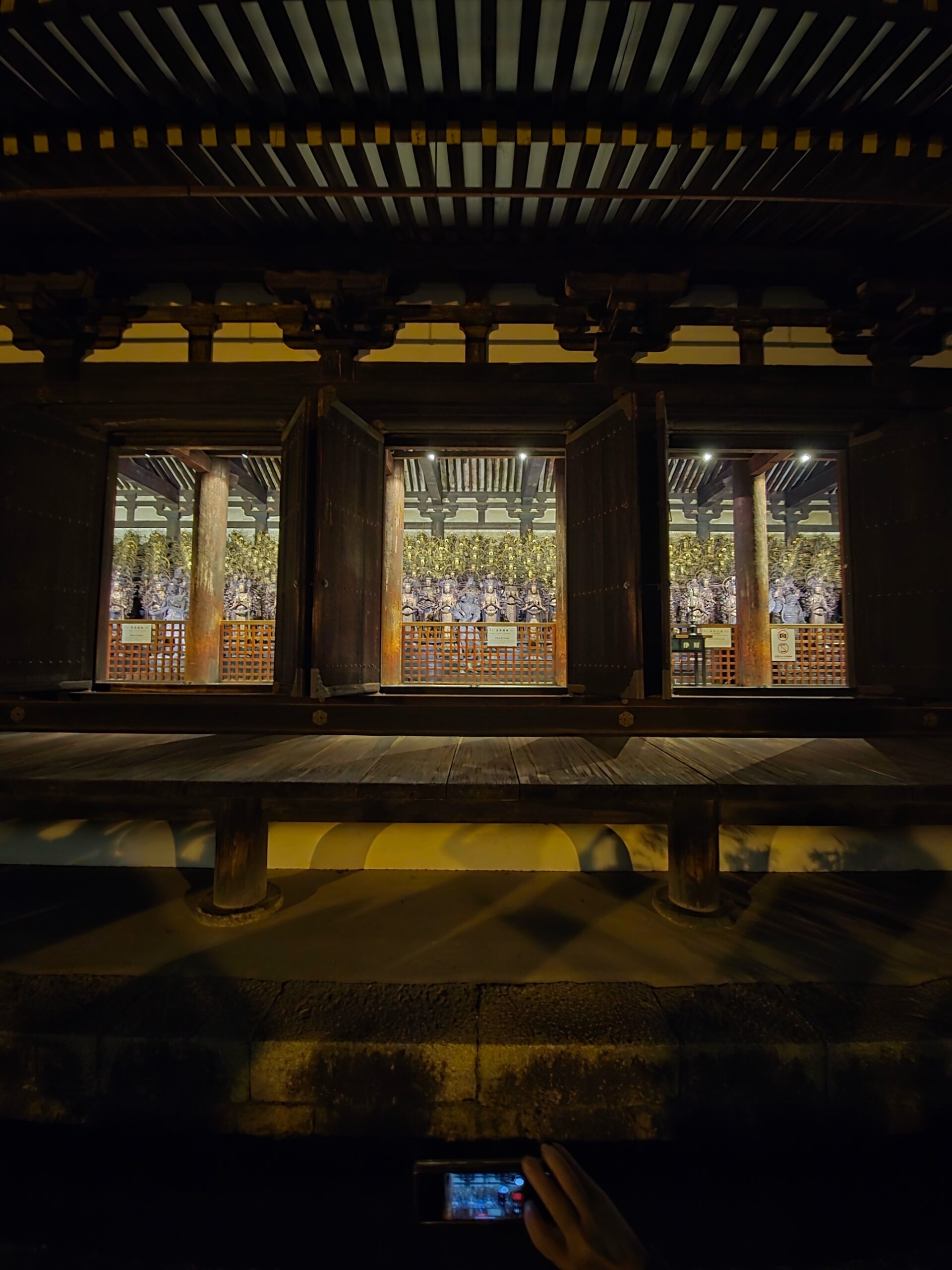
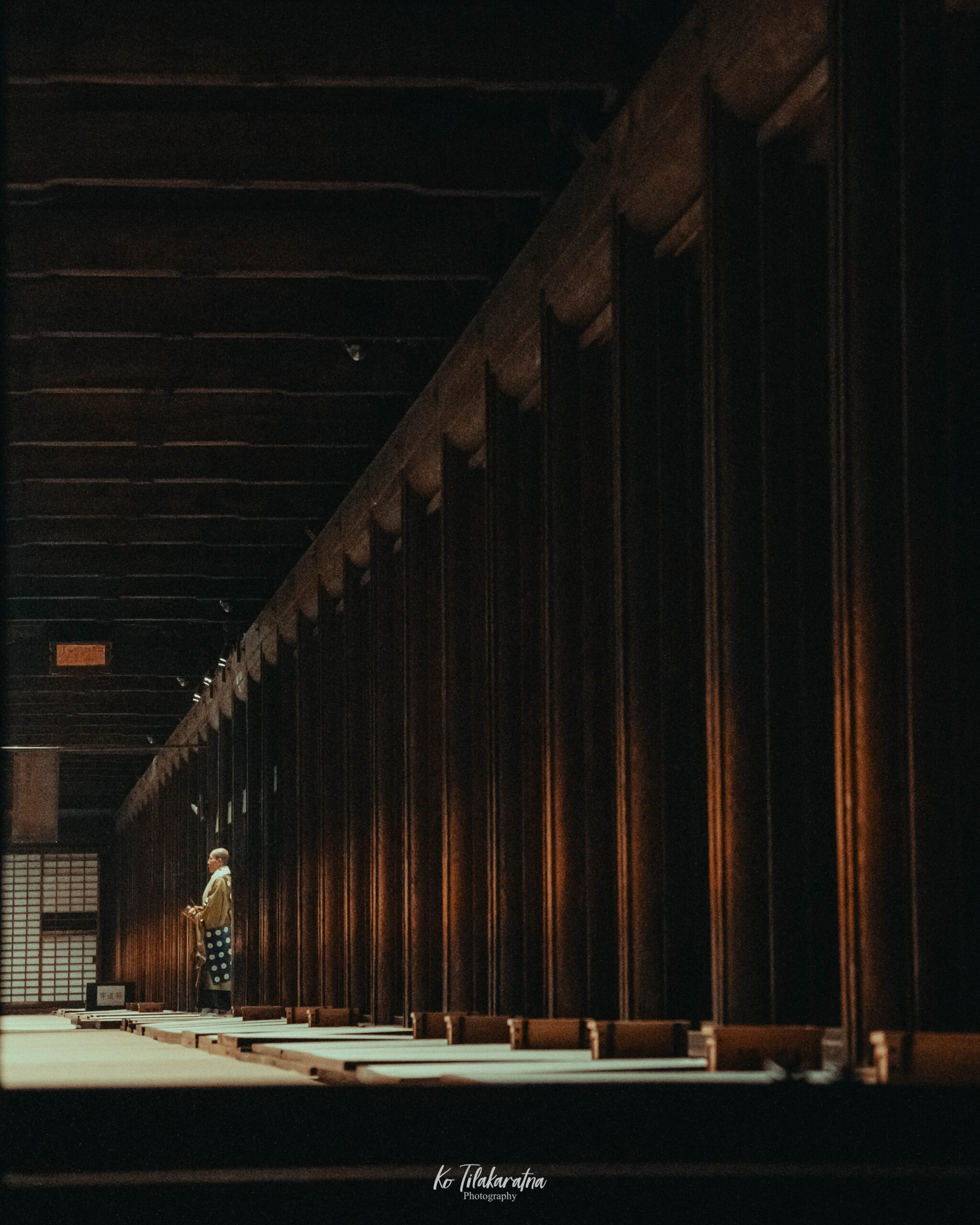
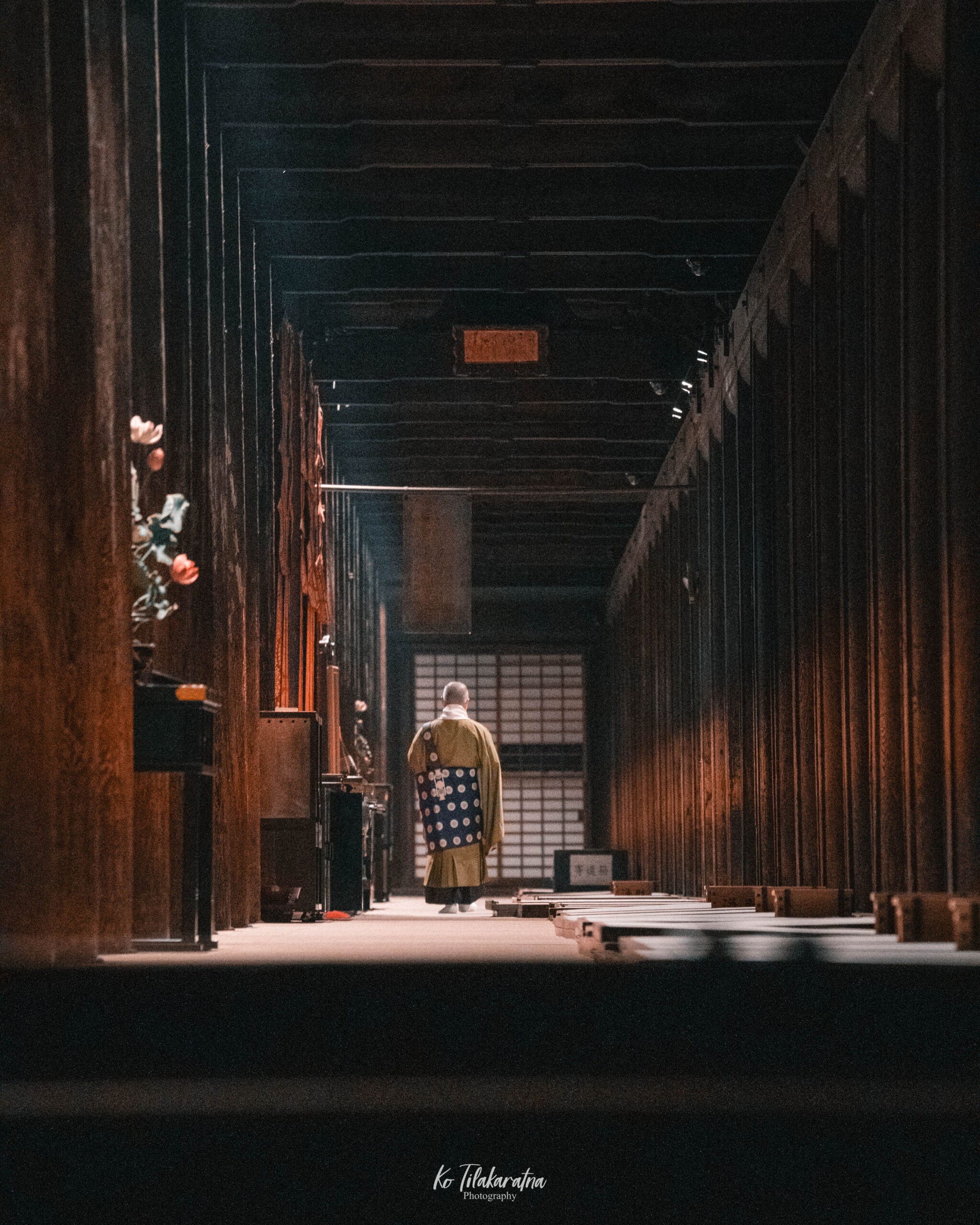
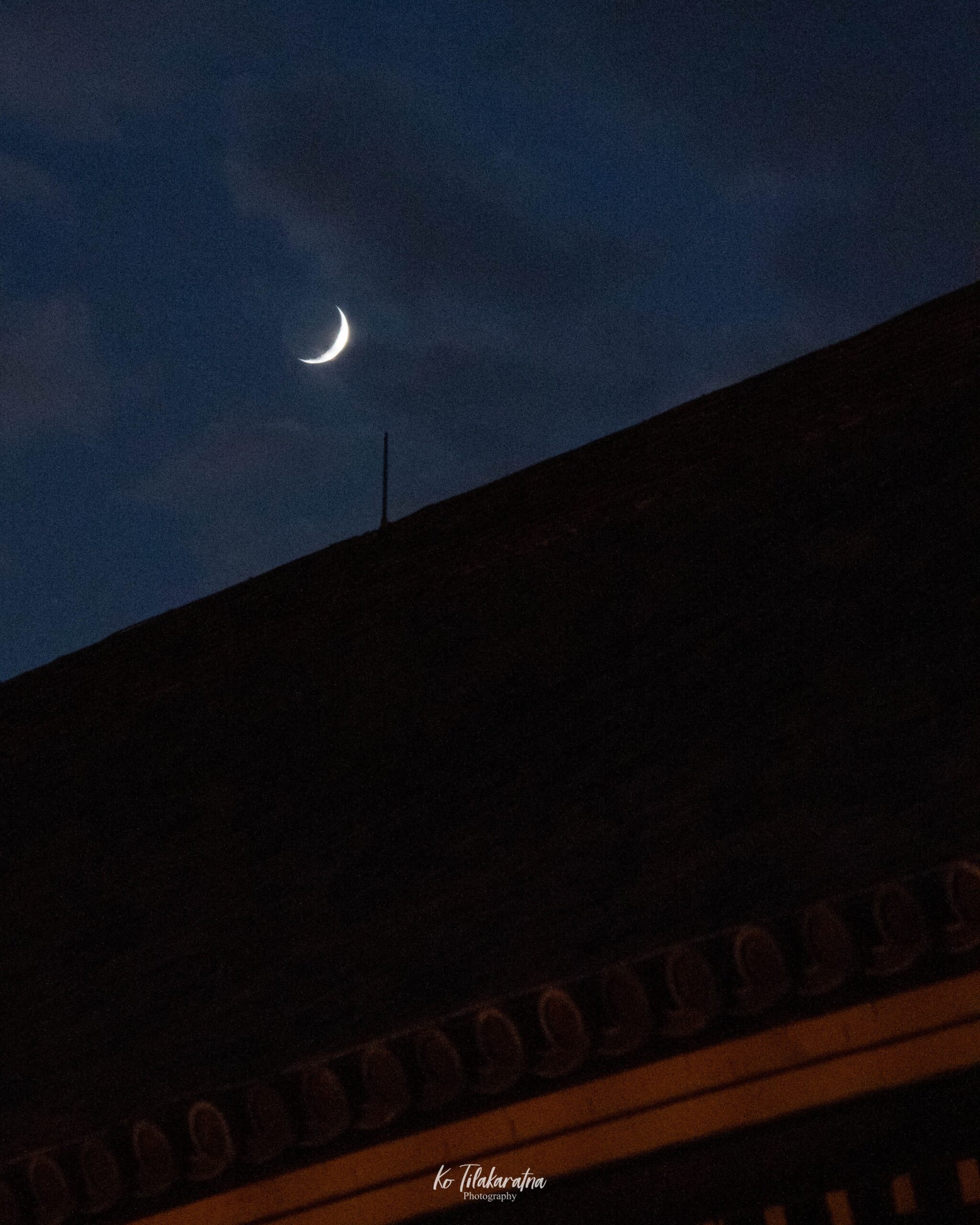
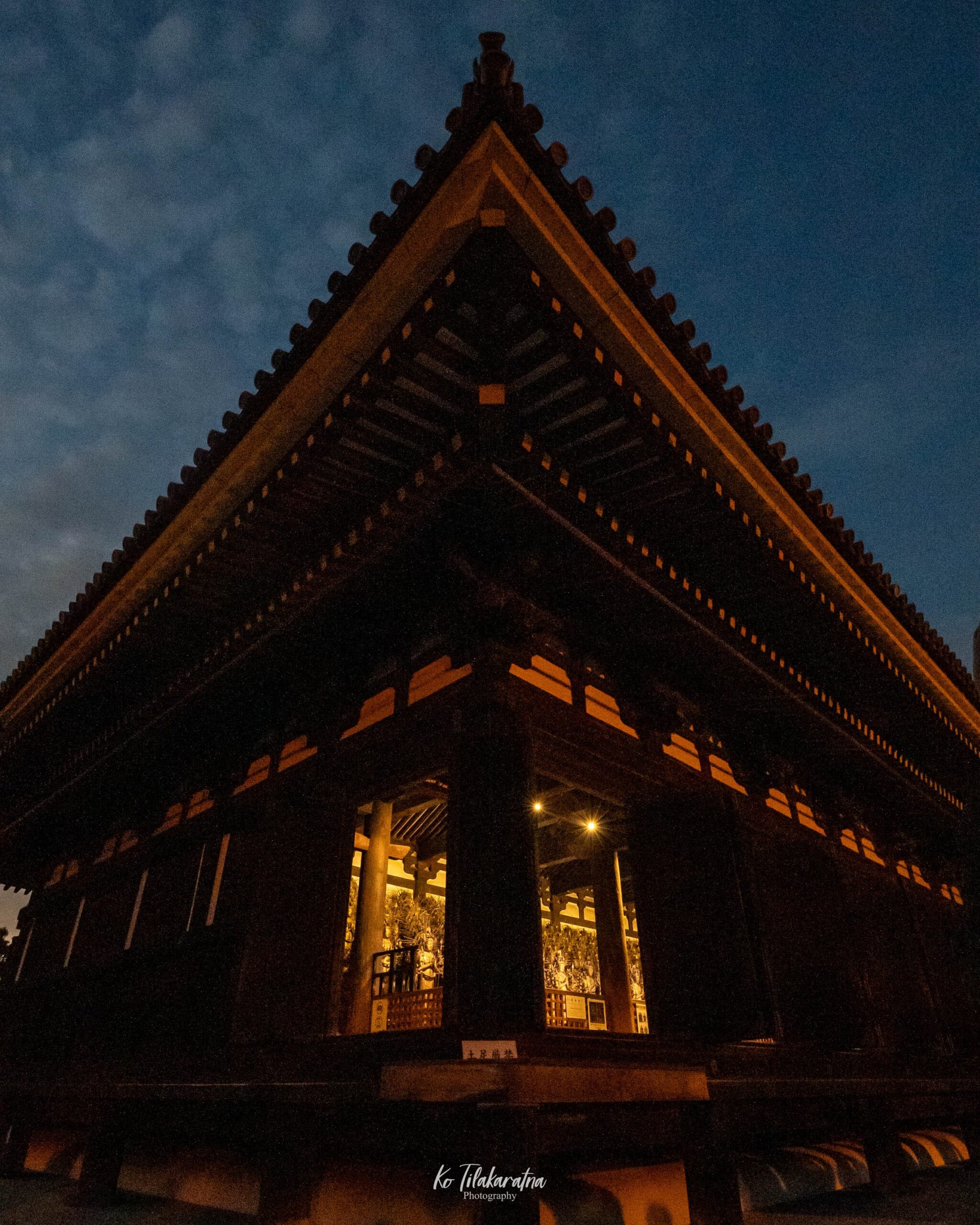
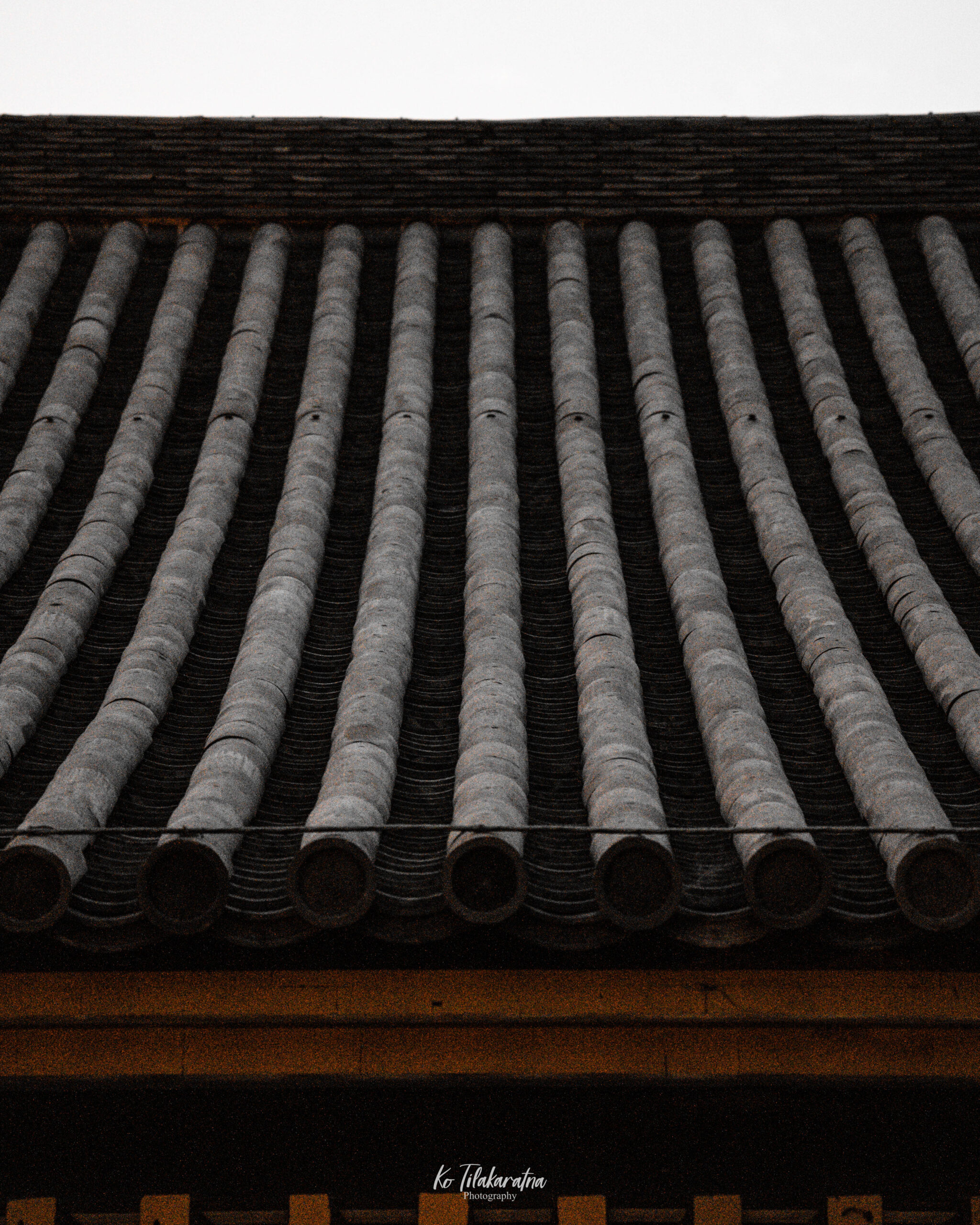
Sanjusangendo(蓮華王院 Rengeō-in)was founded in 1164 under the patronage of Emperor Go-Shirakawa. After a major fire, it was rebuilt in the 13th century. The name “Sanjusangendo(三十三間堂)” refers to the thirty-three intervals between the pillars — a classical architectural measure that gives the hall its iconic, elongated form.
Stretching nearly 120 meters, the hall is one of Japan’s longest wooden structures. Its shape creates a serene corridor that feels suspended between this world and the next. For centuries, it also hosted the famous 通し矢 (Tōshiya) archery ritual, where warriors demonstrated intense focus and spiritual discipline.
This temple does not speak loudly. It whispers — carrying eight centuries of devotion in quiet confidence.
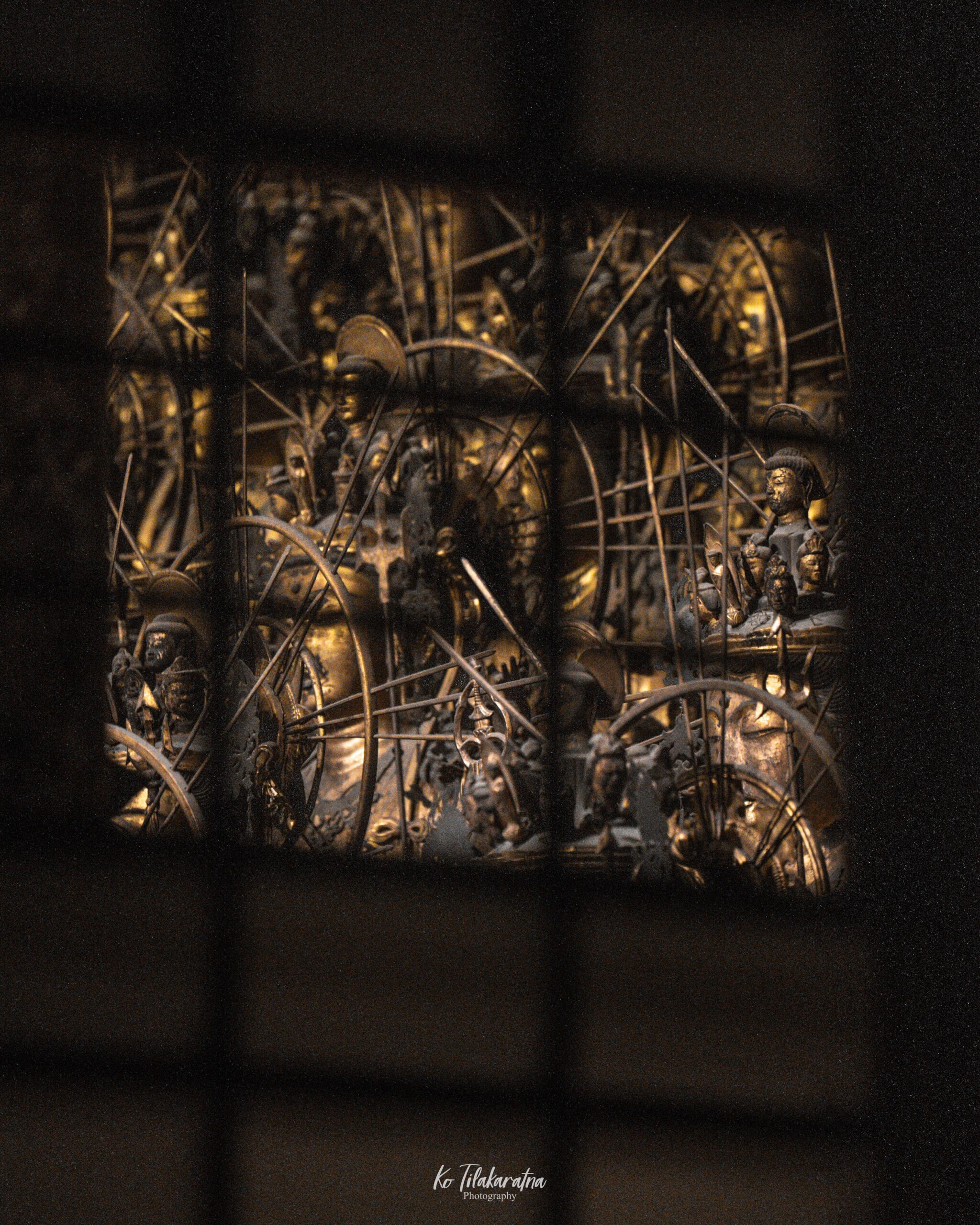
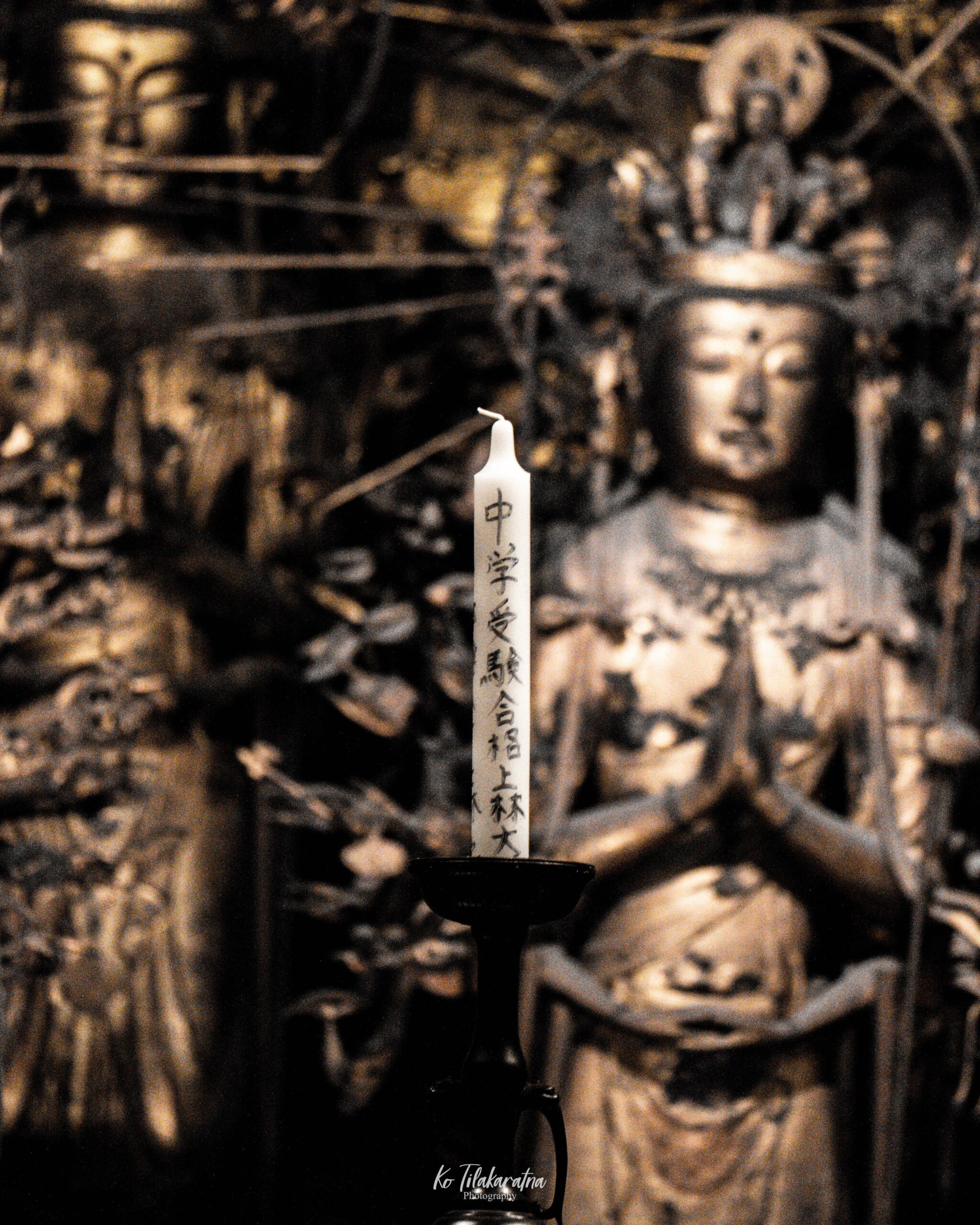
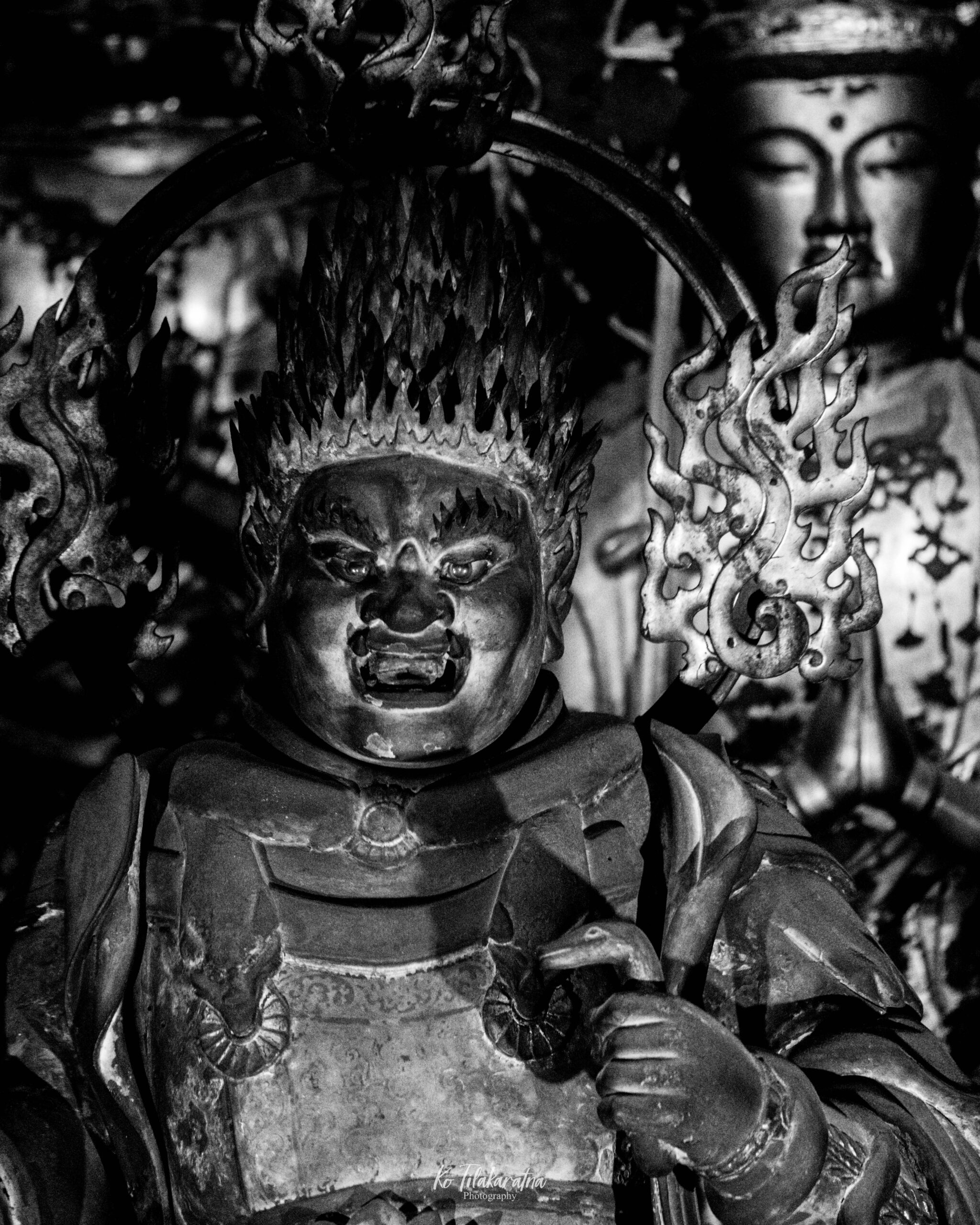
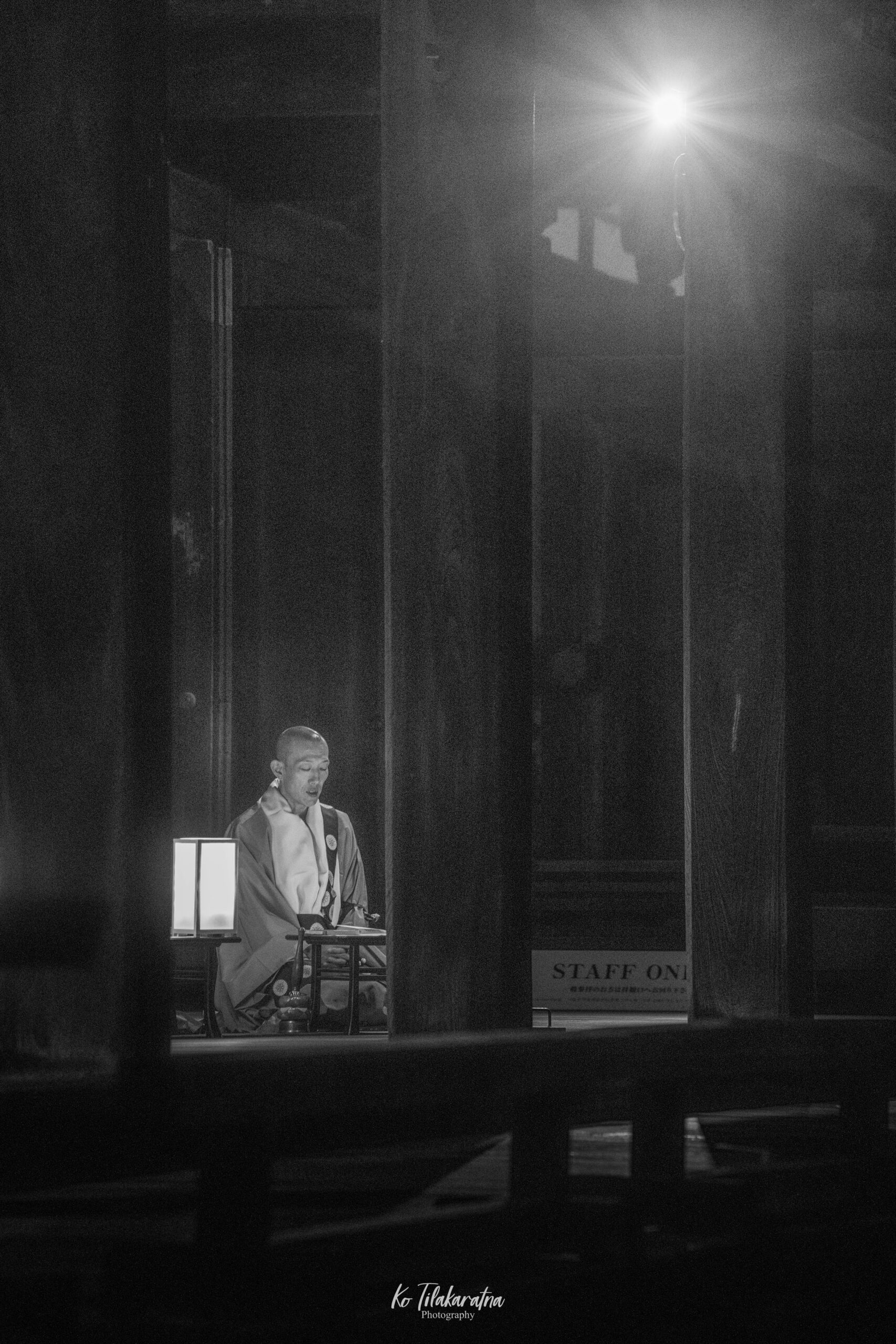
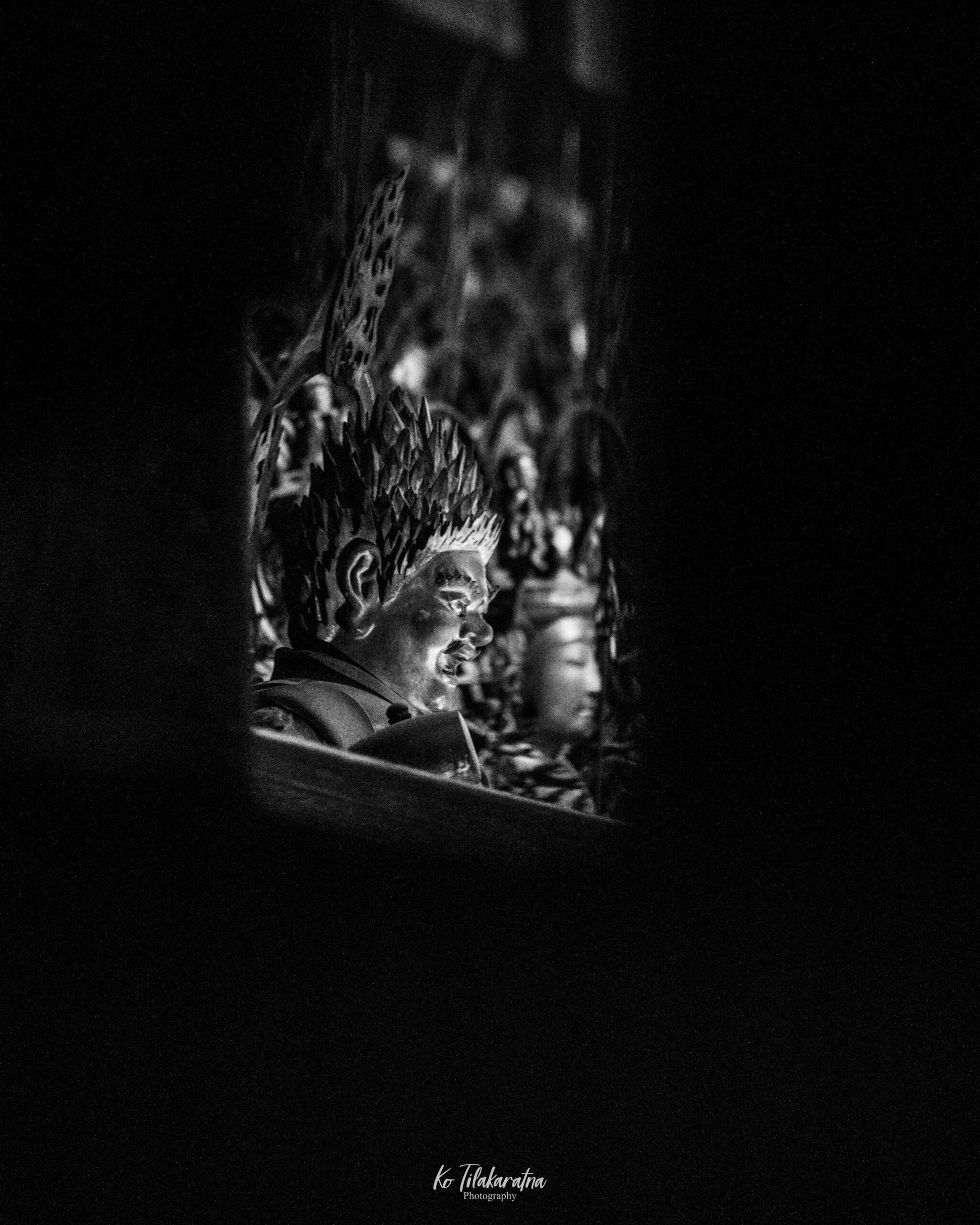
2. Buddhist Artistry — 千手観音 (Senju Kannon) の光が満ちる空間
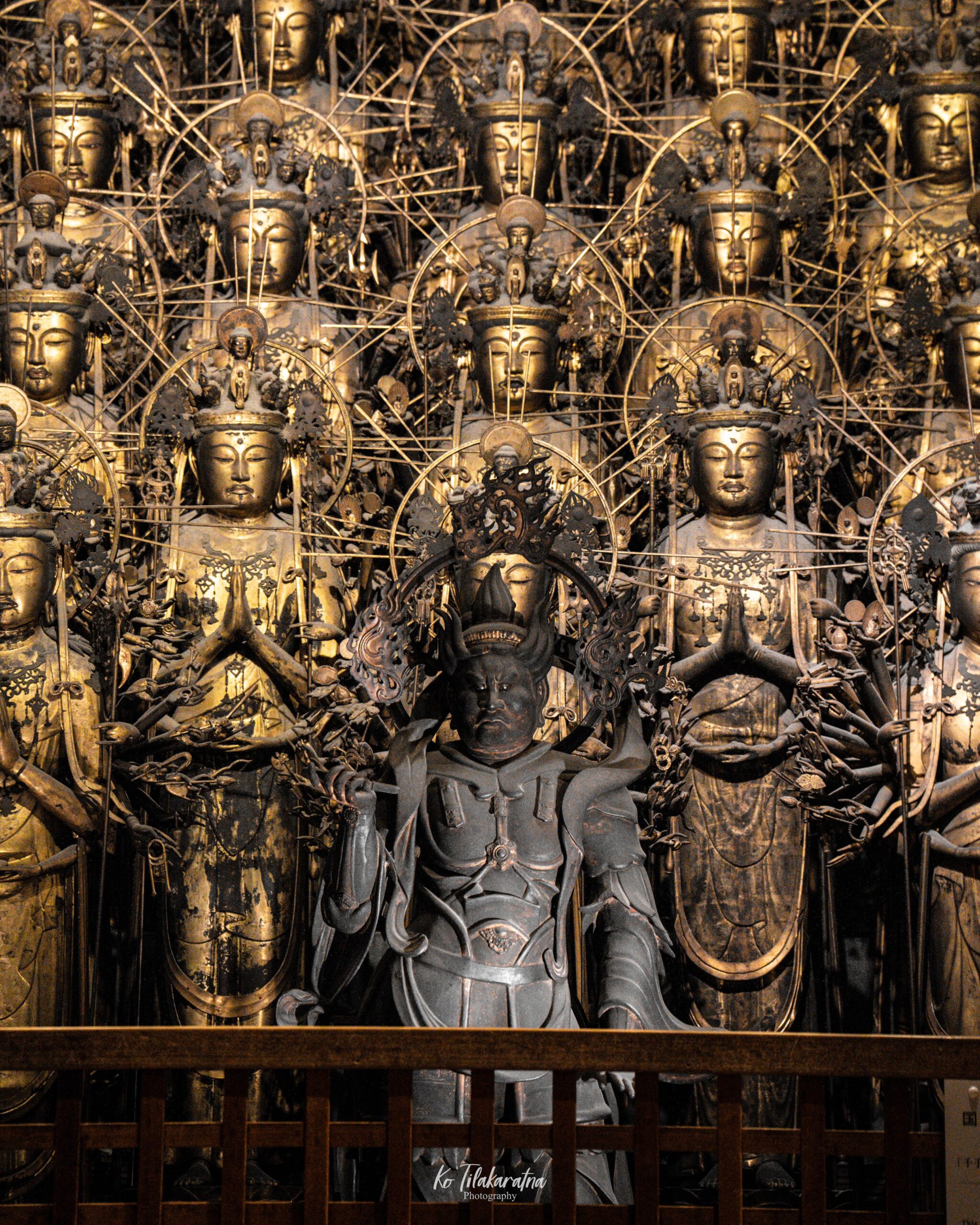
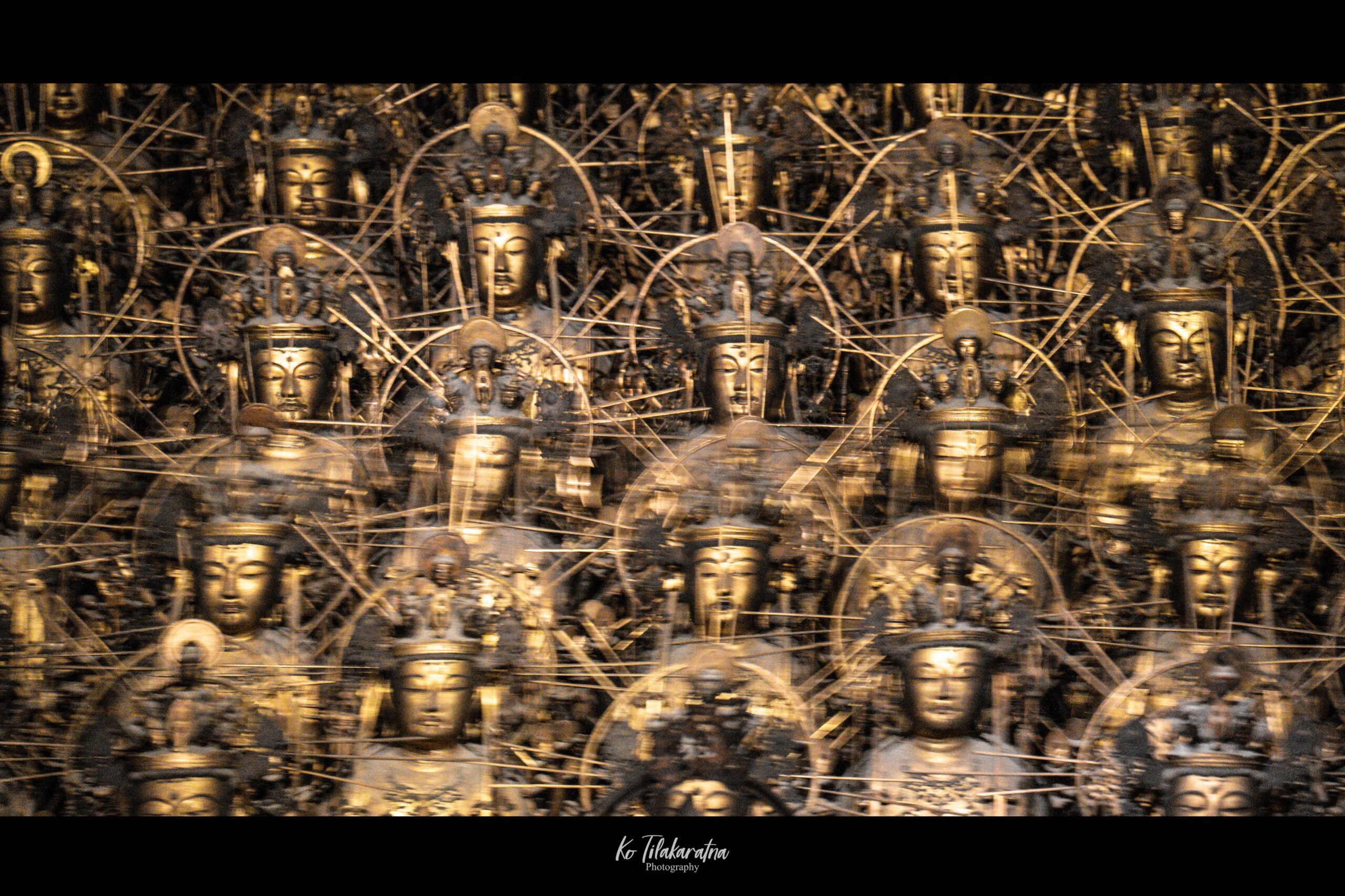
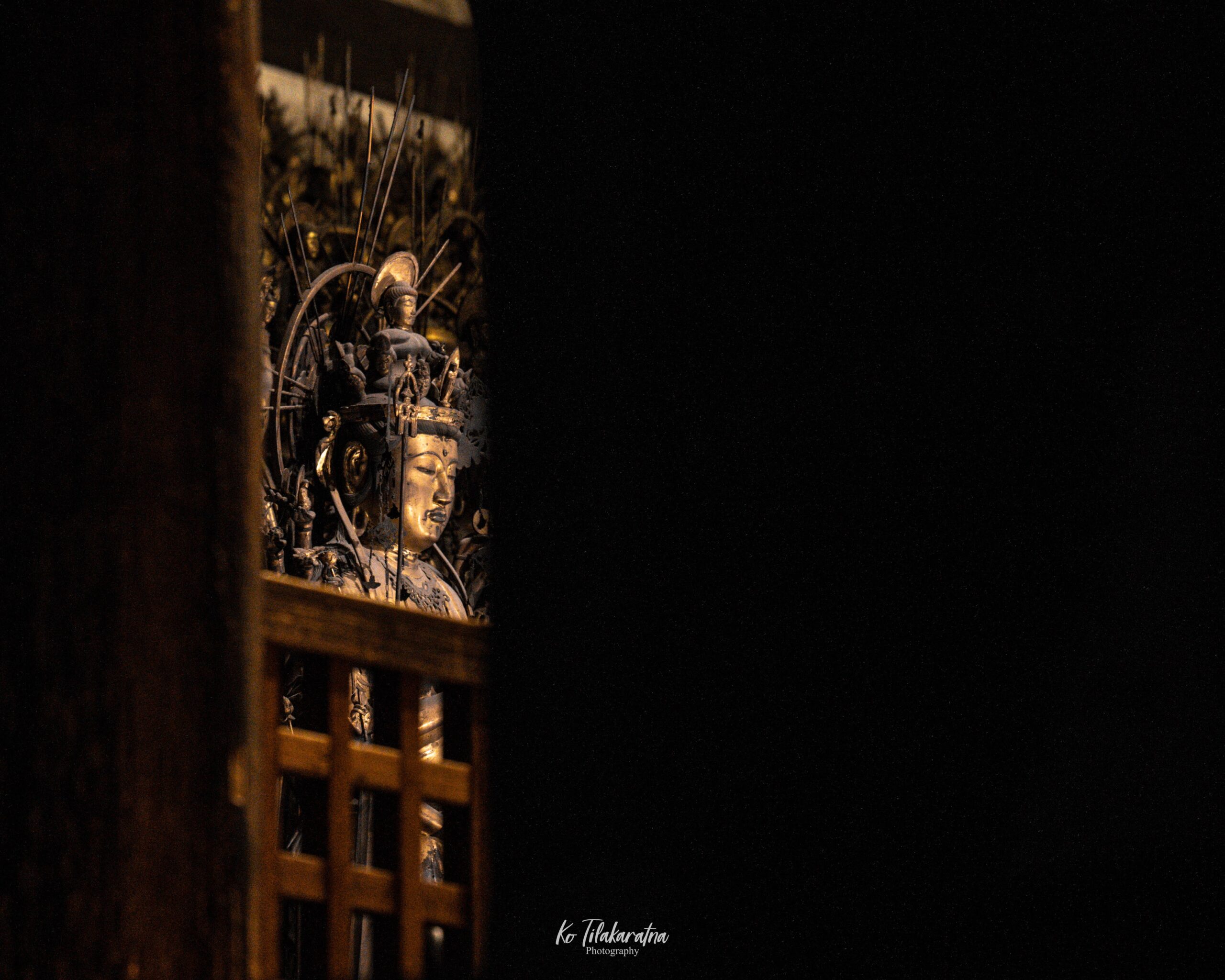
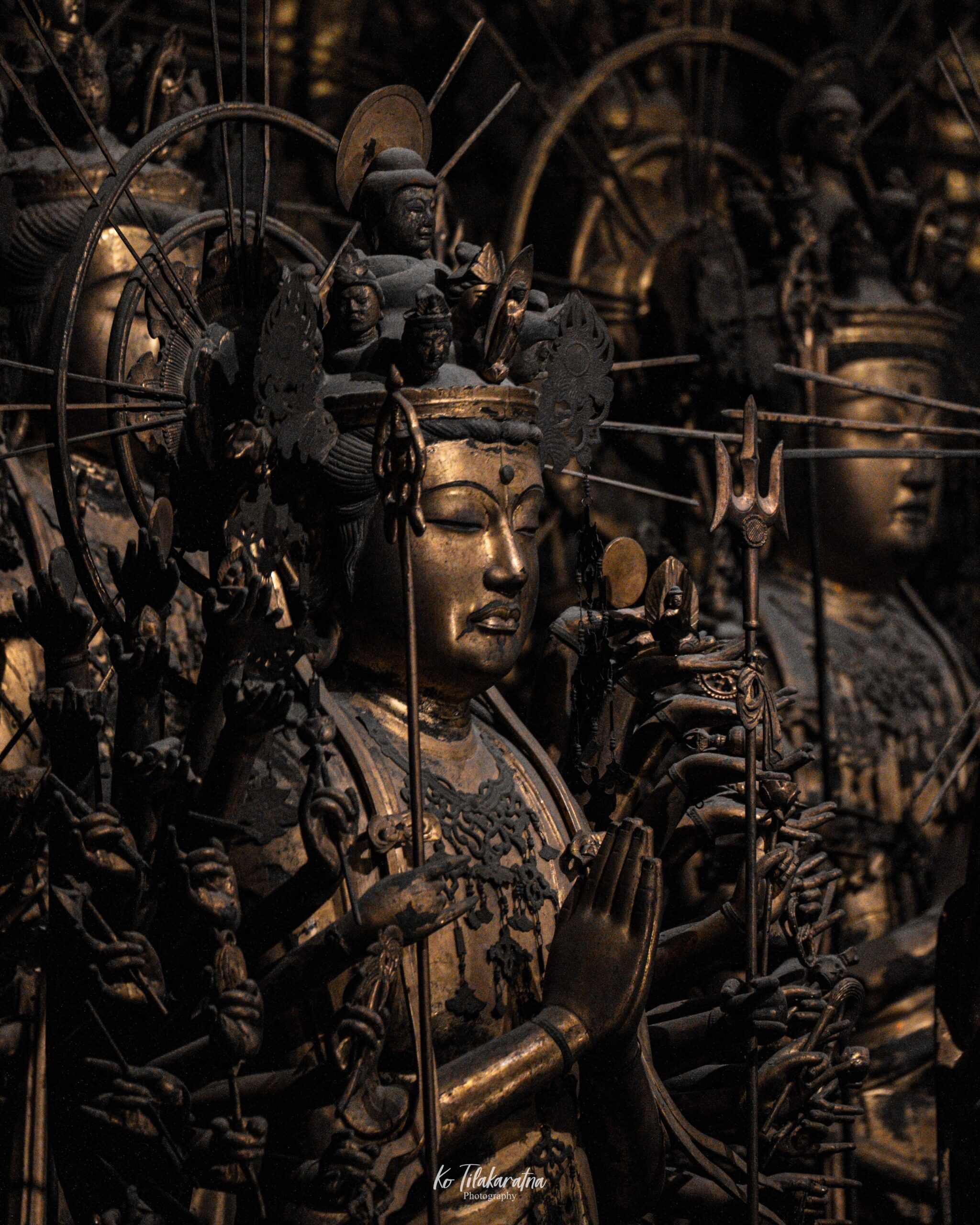
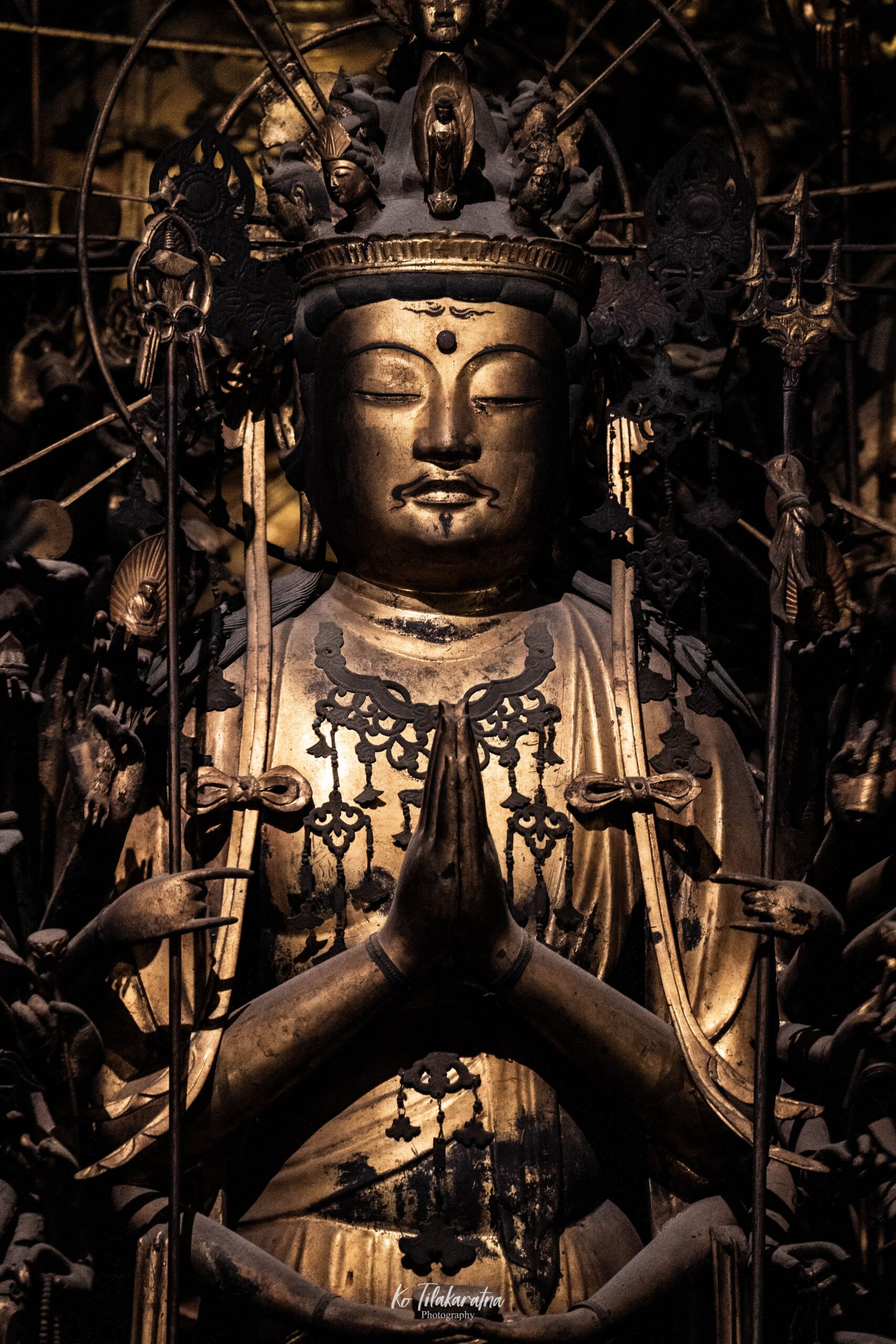
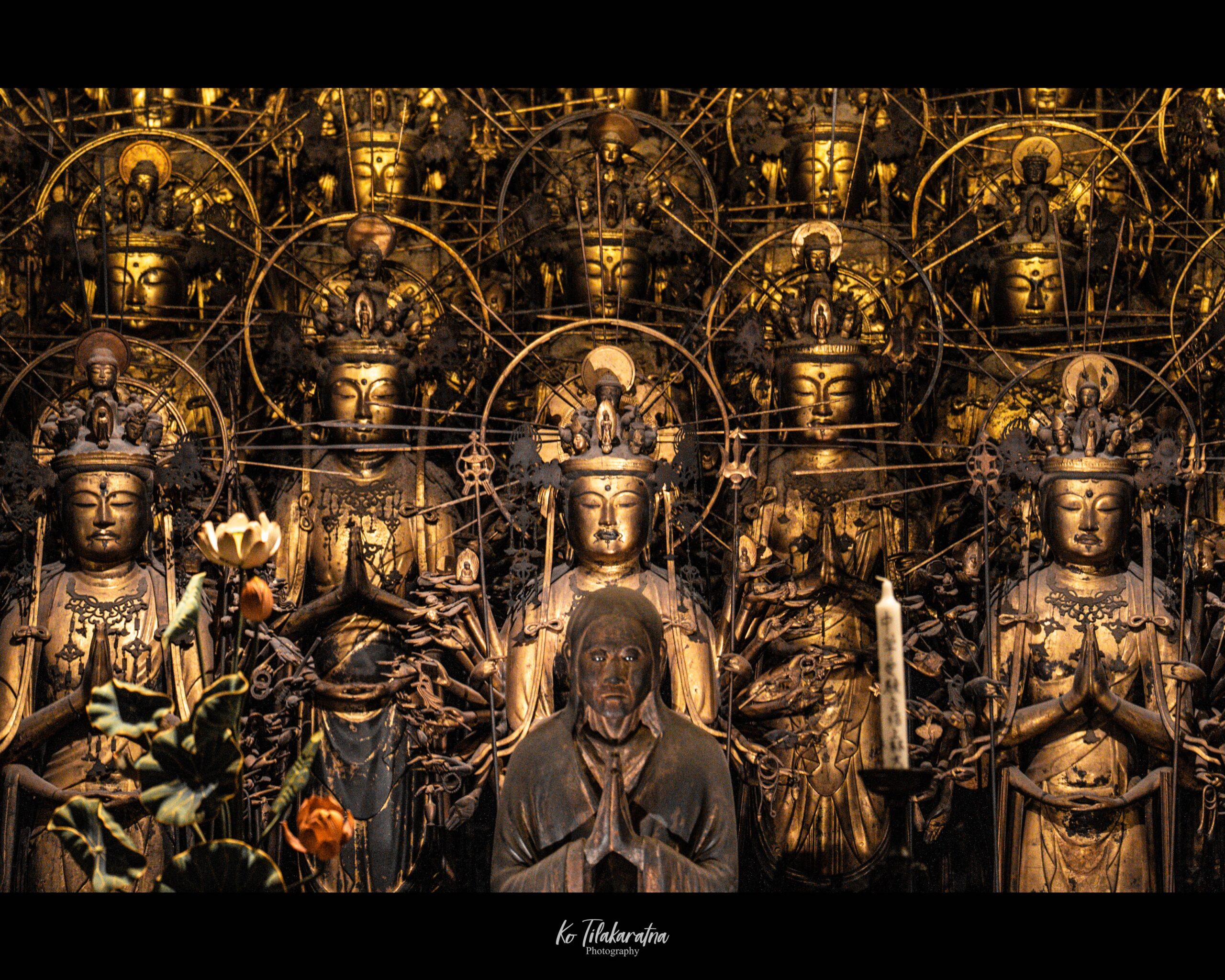
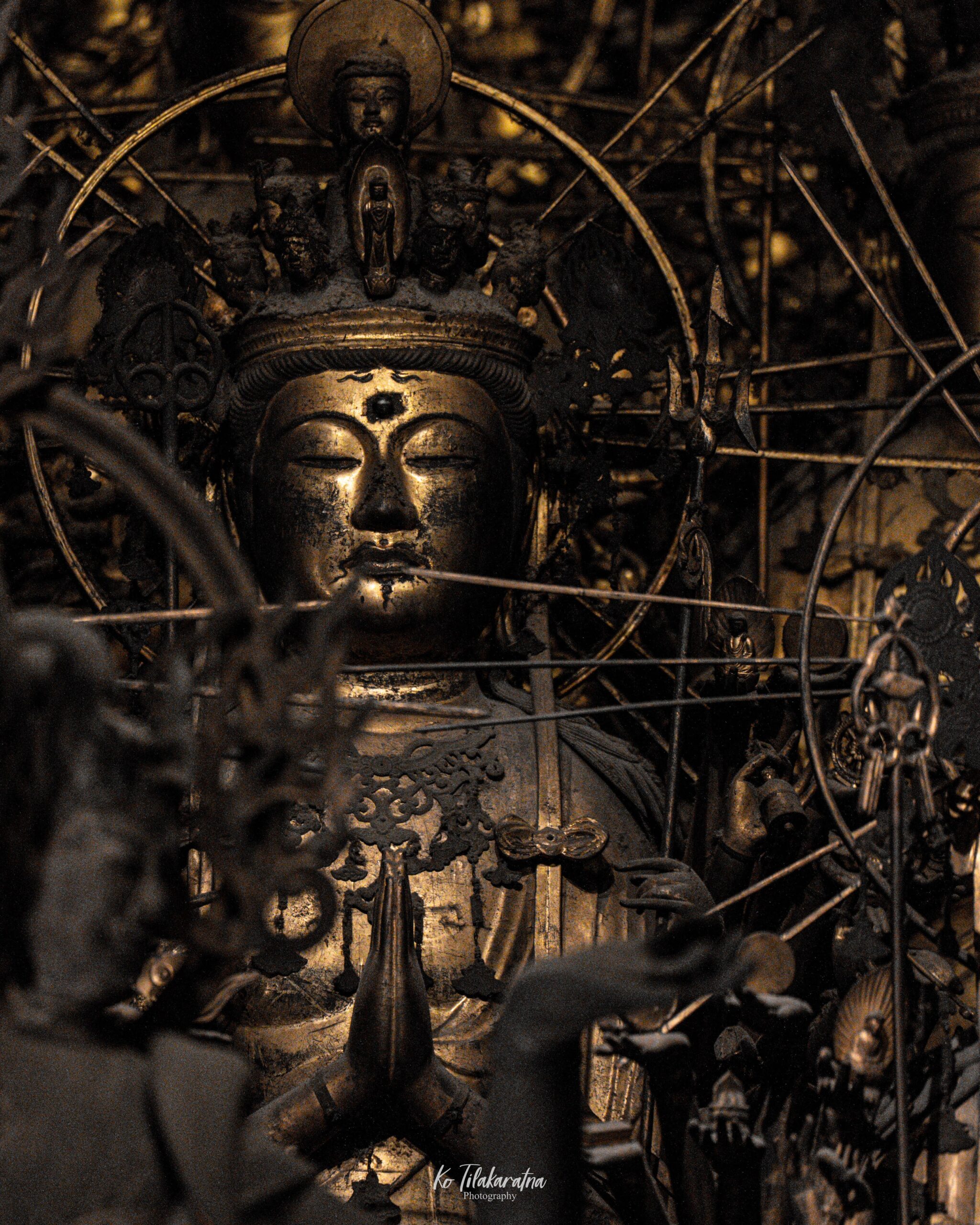
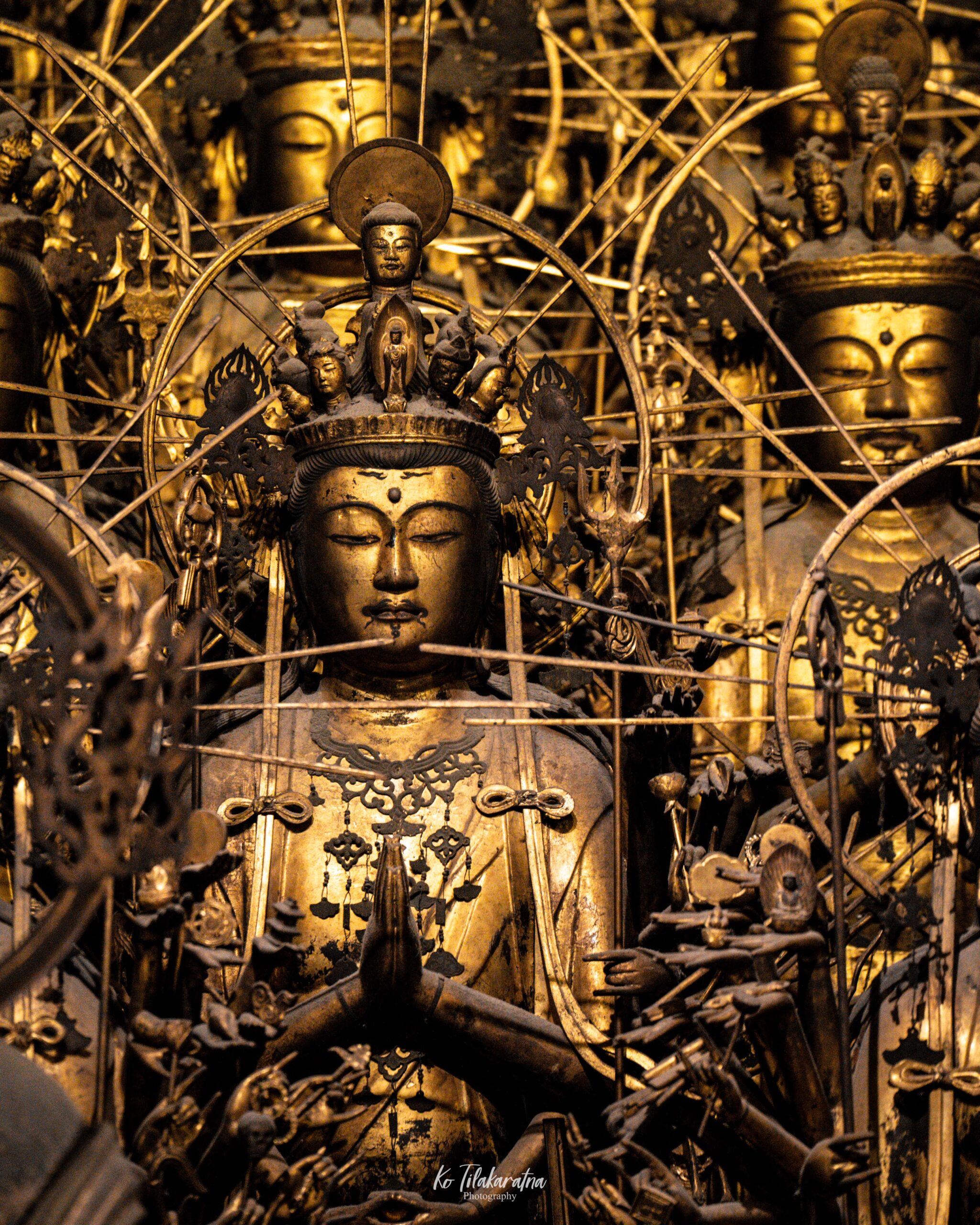
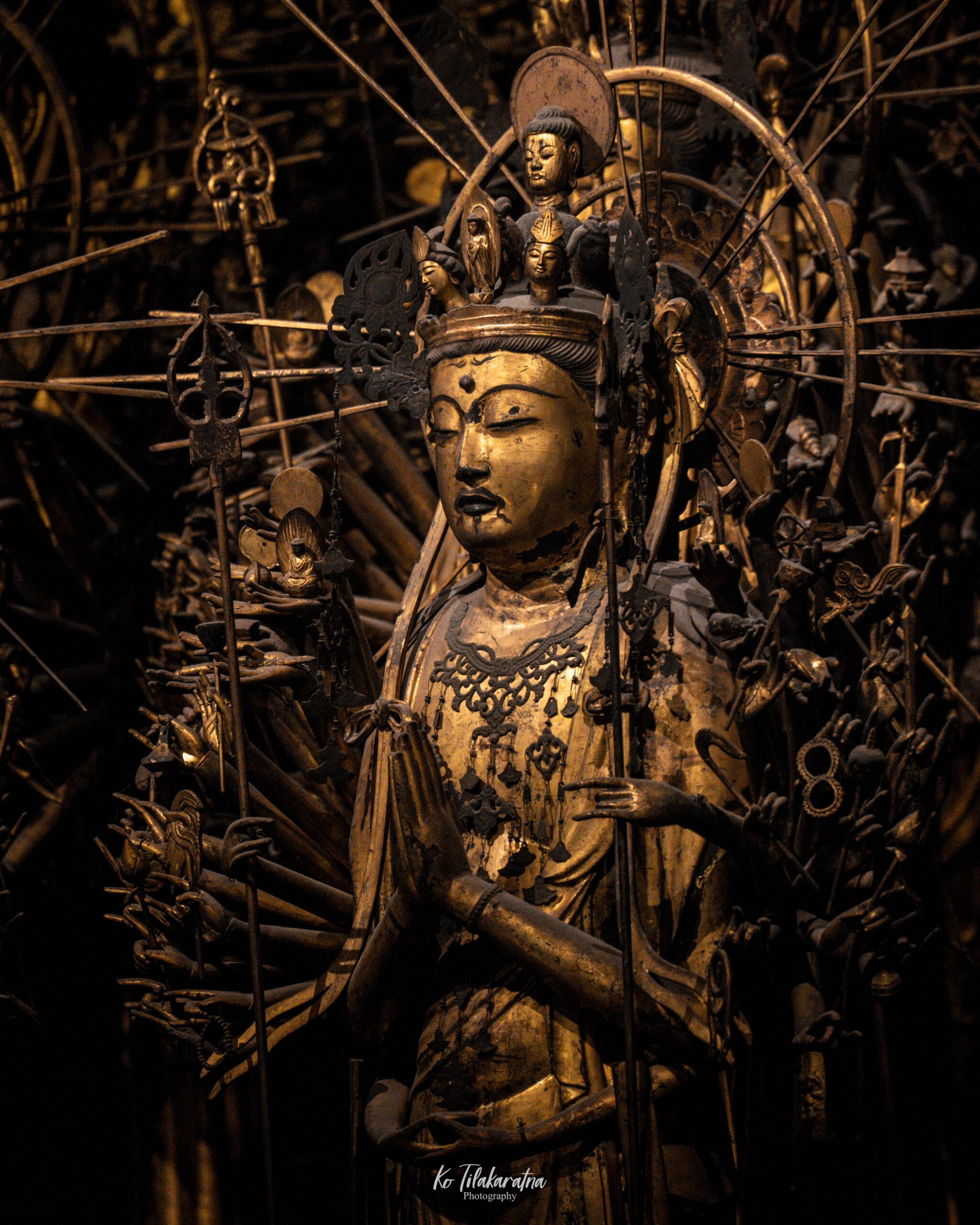
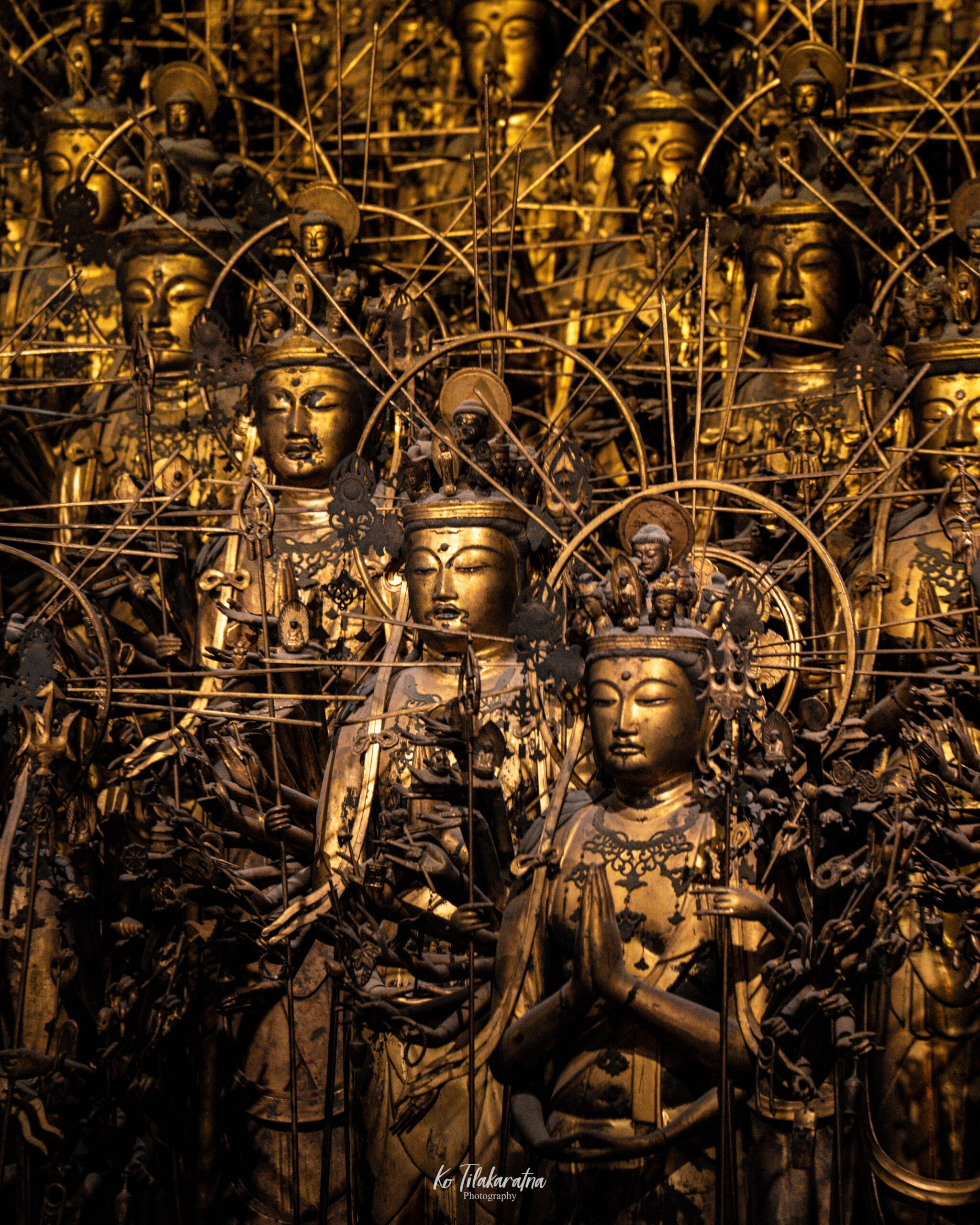
At the heart of Sanjusangendo stands the magnificent 千手観音 (Senju Kannon) — the Thousand-Armed Bodhisattva of Mercy. The central seated statue, attributed to the master Tankei, is surrounded by 1,000 standing Kannon figures carved from Japanese cypress.
Though arranged in uniform rows, each statue differs slightly in expression — serene, contemplative, tender — like a thousand shades of compassion. Light glides softly over the golden surfaces, creating a shimmering “sea of mercy.”
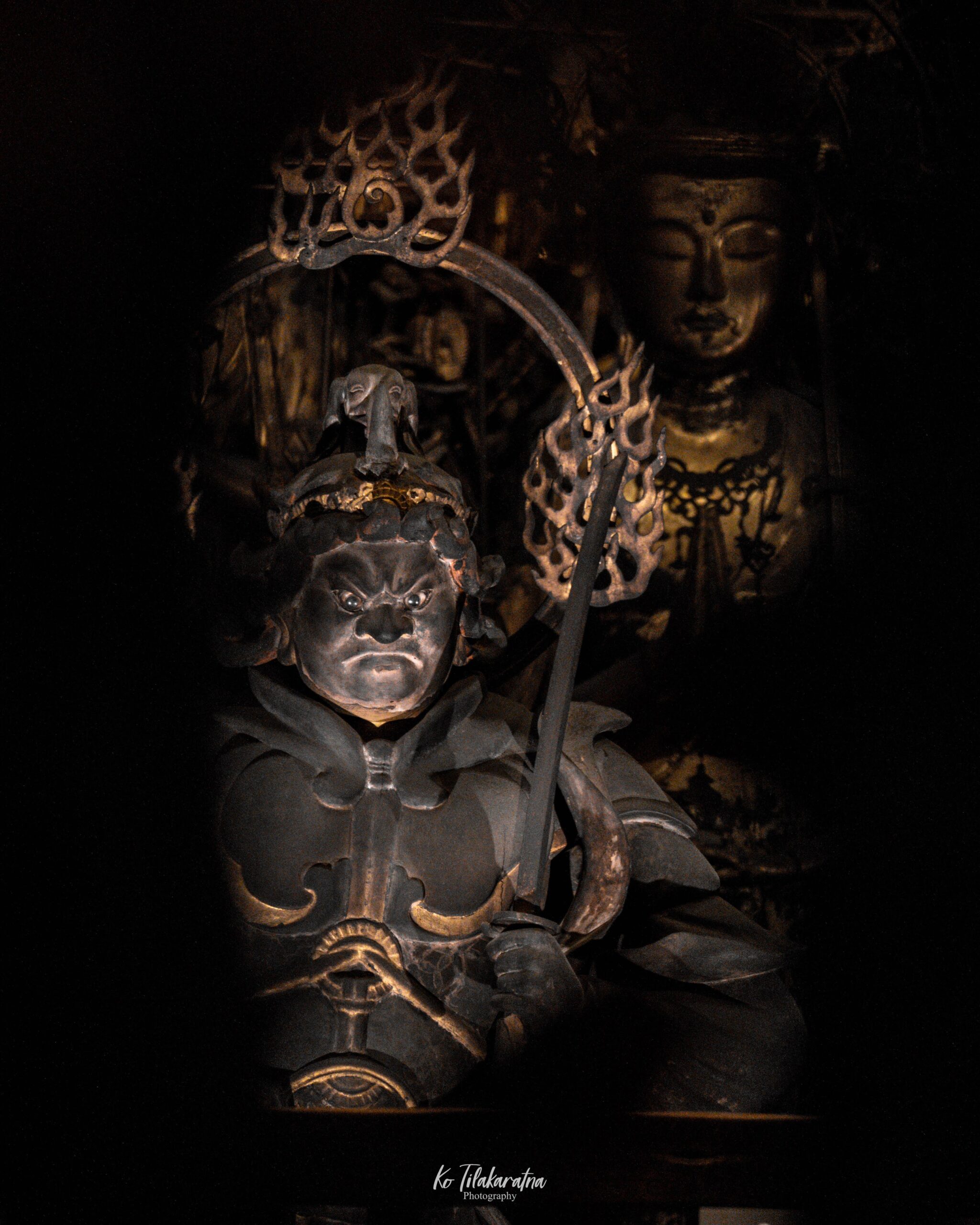
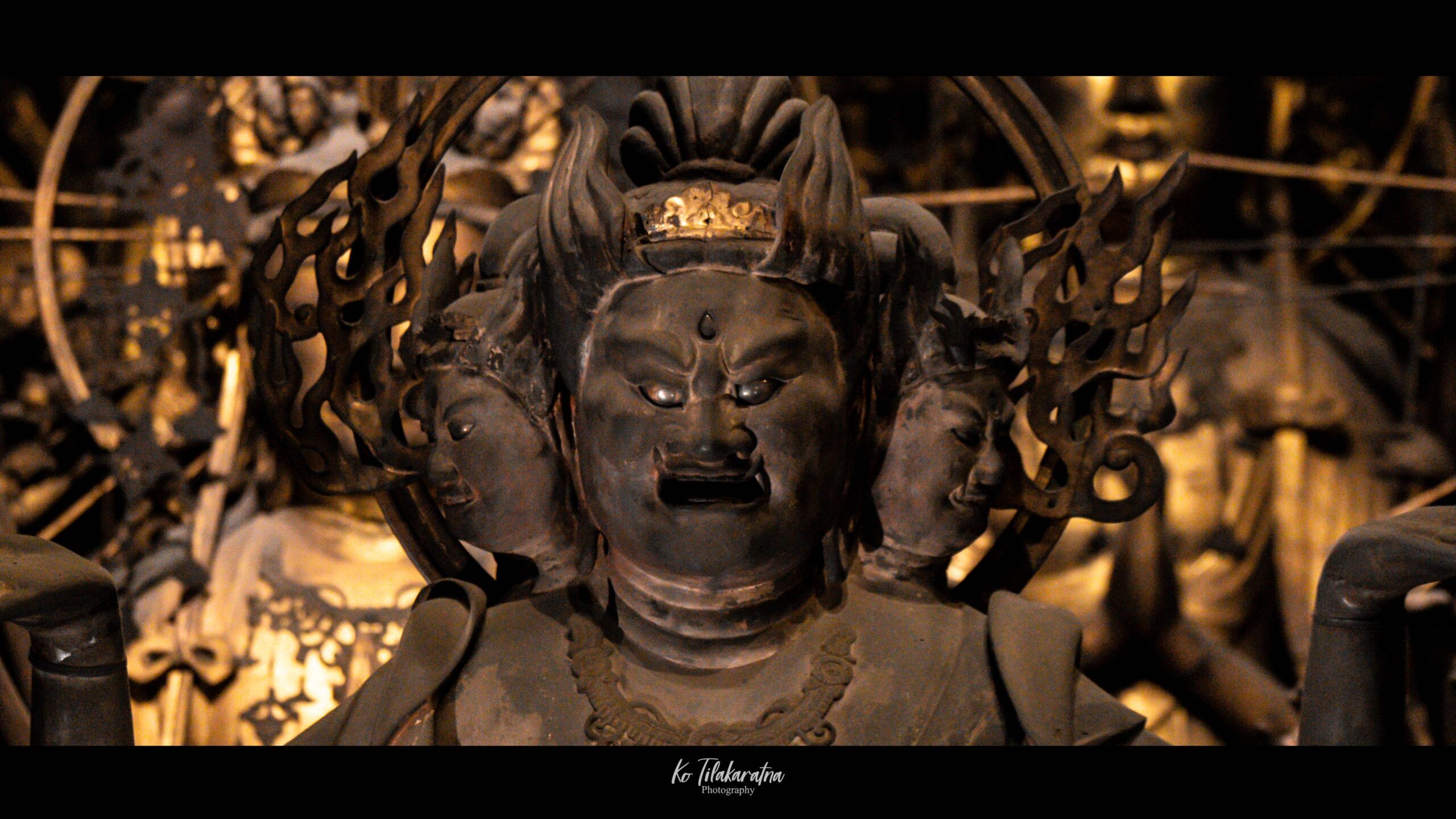
The hall also houses the 二十八部衆 (Twenty-Eight Attendants) and 風神雷神 (Fūjin & Raijin), iconic masterpieces of the Kamakura period.
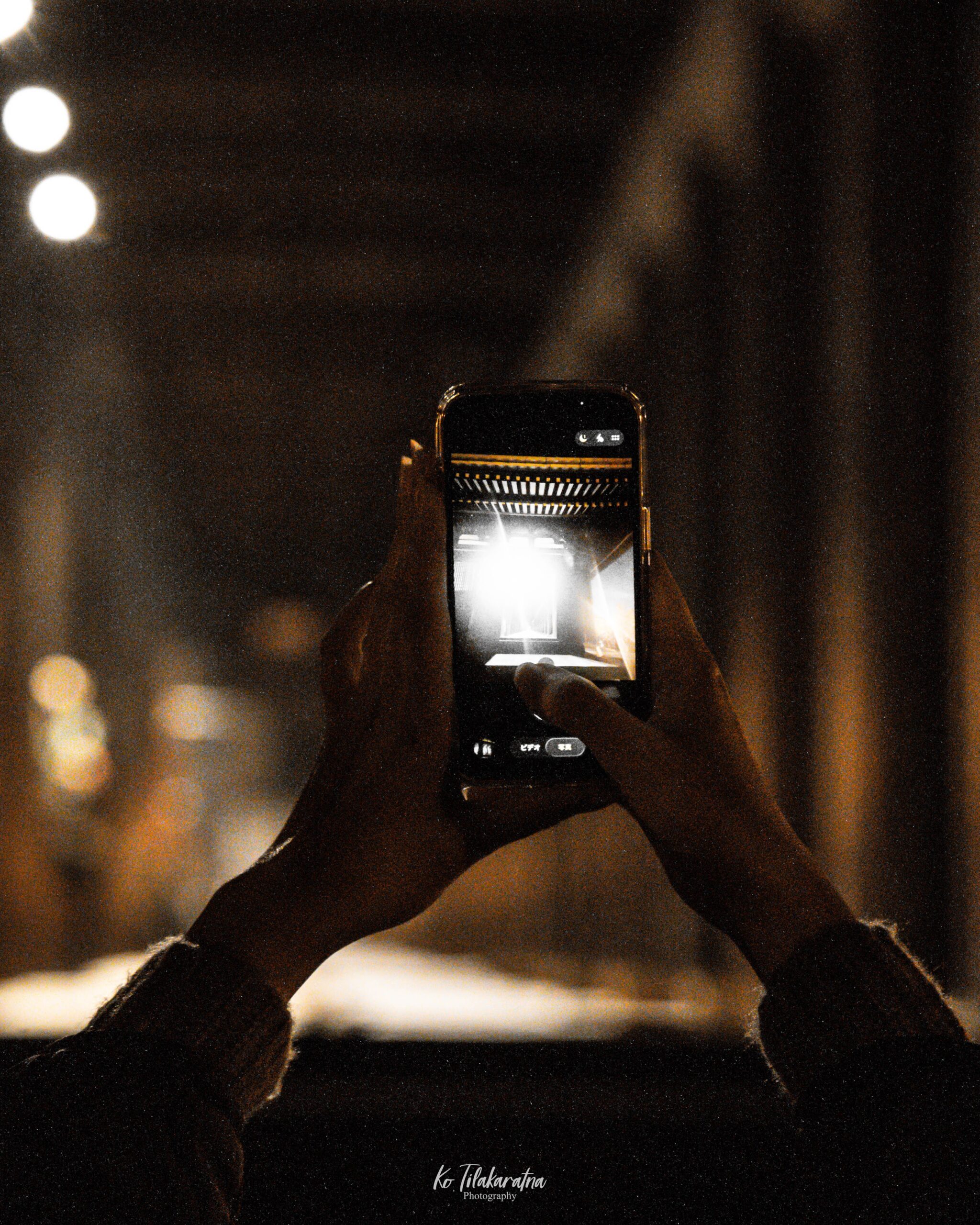
Note: Photography inside the hall is normally prohibited.
Photos are permitted only during special public events.
3. Toru Tour — 京都の“静の美”を深く味わう旅へ
Sanjusangendo is a rare fusion of history(歴史), spiritual silence(静寂), and Buddhist artistry(仏教美術).
With Toru Tour, you can experience it with clarity and depth:
- Best timing guidance to avoid crowds
- Gentle explanations of artistic and symbolic elements
- Suggested routes combining Kiyomizu-dera, Tofuku-ji, or nearby temples
- Local insights and photo recommendations
If you’d like to explore Sanjusangendo with a calmer, more meaningful approach,
feel free to DM me anytime.