
New Year’s Eve in Kansai — Closing the Year, Quietly and Gracefully
In Japan, New Year’s Eve is not defined by fireworks or loud countdowns. It is a night of stillness — a moment to close the year with care, and to welcome the next one with a calm, attentive heart.
Cleaning, a simple bowl of soba, the deep resonance of temple bells, and a quiet visit to a shrine or temple — these understated acts form the essence of how Japan greets the New Year.
This article introduces the cultural meaning of Japanese New Year’s Eve, and where to experience it in Kansai, both traditionally and in modern ways.
Purifying the Year
Year-end cleaning, known as ōsōji, is far more than housekeeping. In Shinto belief, everyday life naturally accumulates spiritual “dust.” By cleaning one’s surroundings, the mind is also cleared, preparing a welcoming space for the New Year to arrive.
Toshikoshi Soba — Letting Go Before Moving Forward
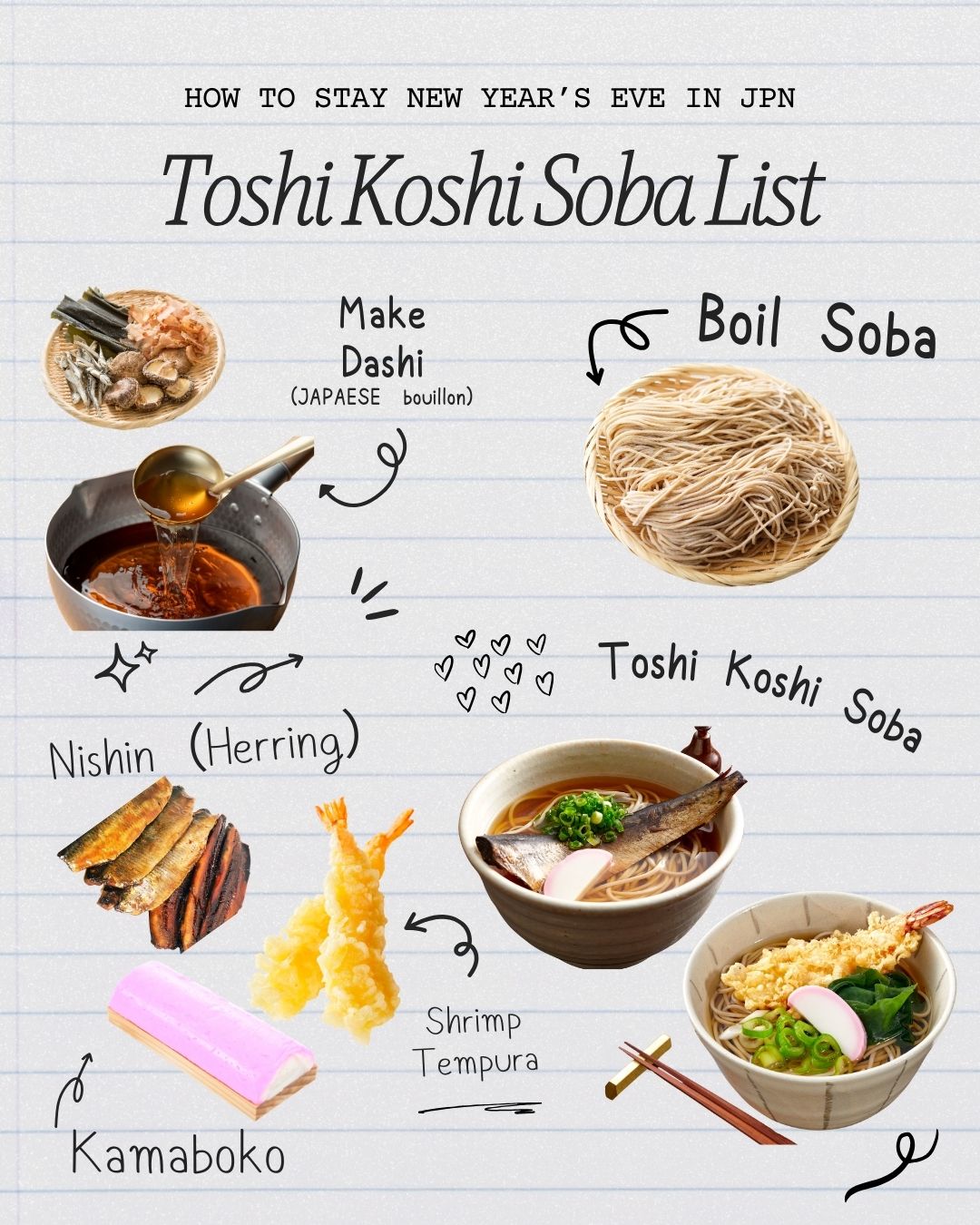
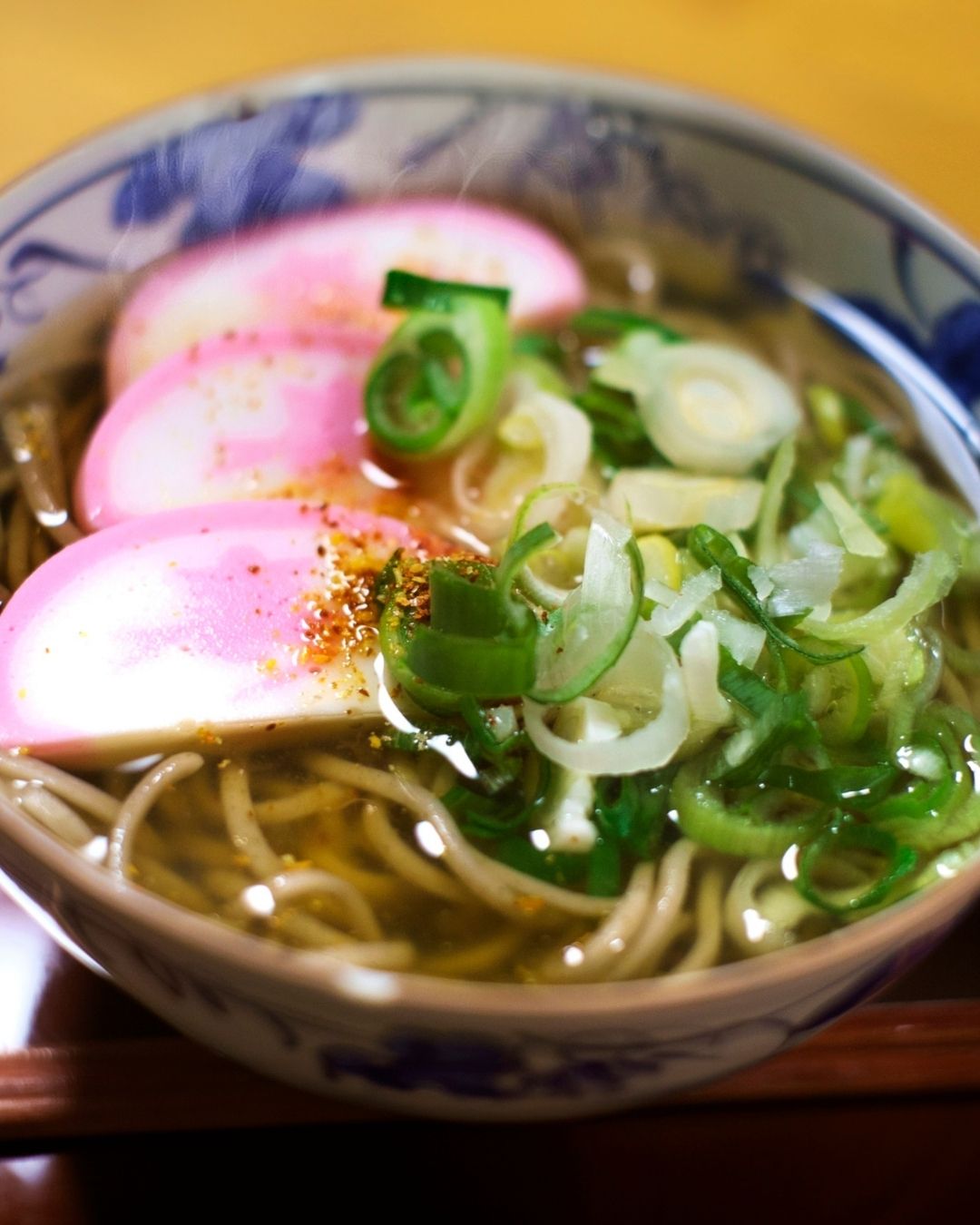
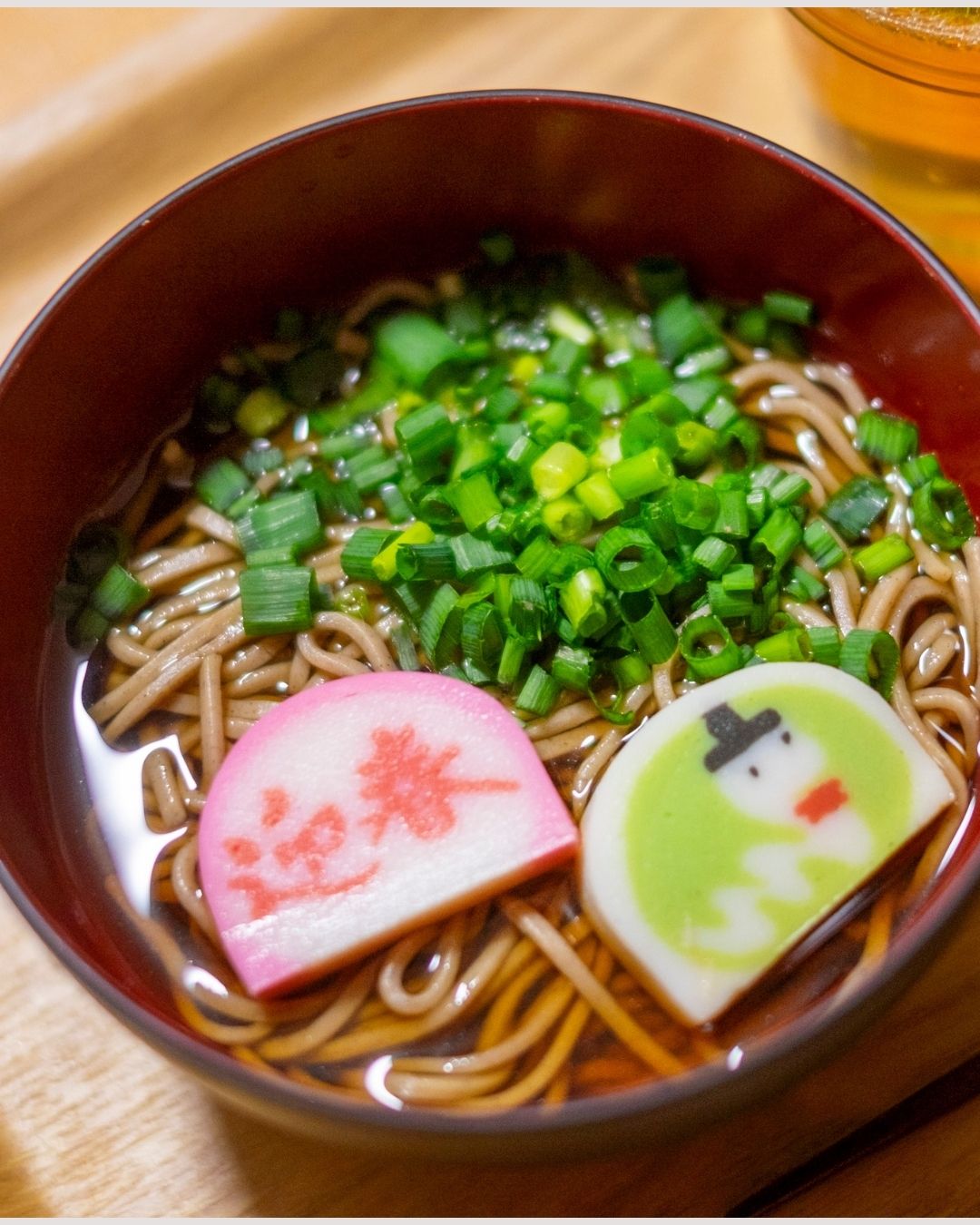
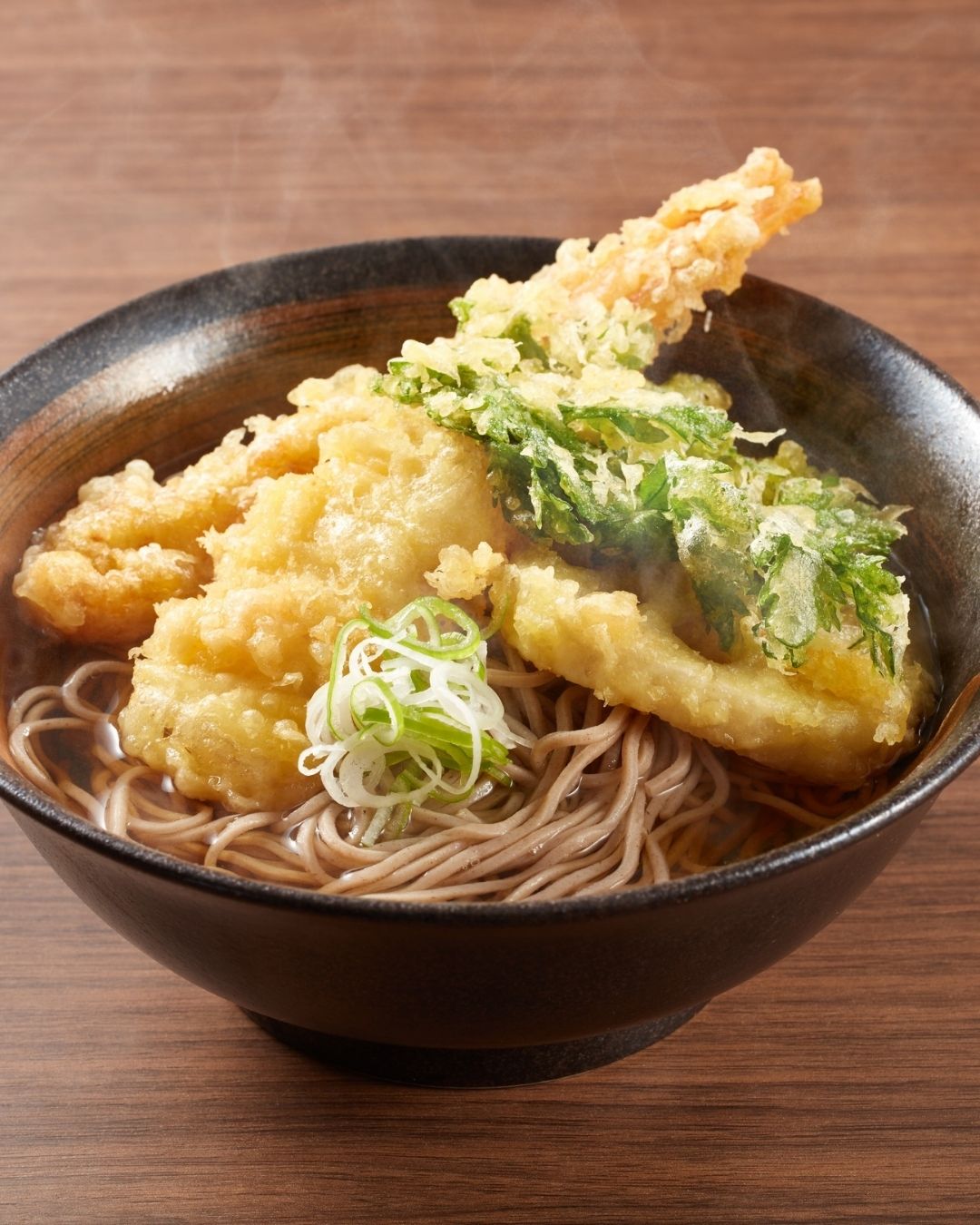
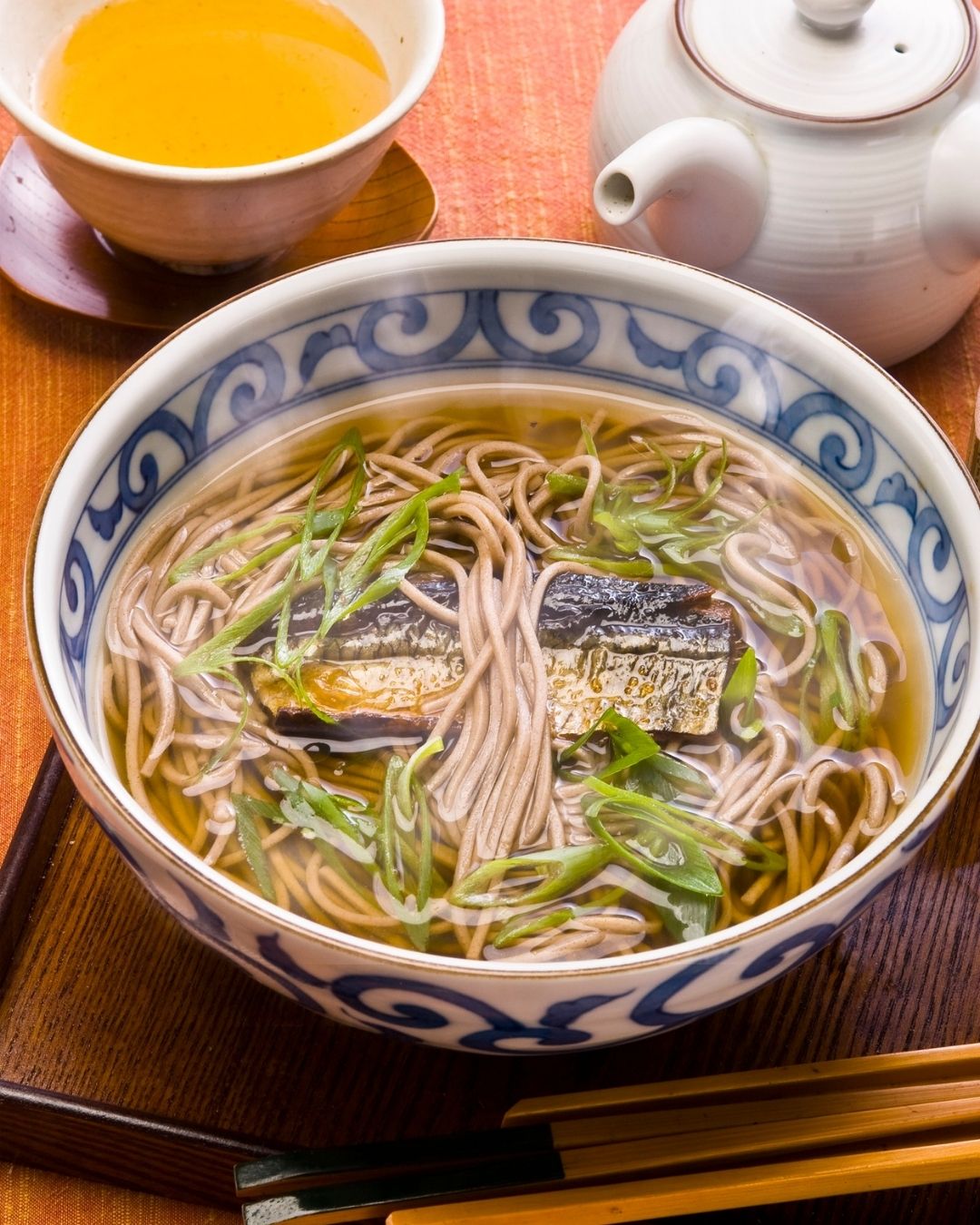
On New Year’s Eve, people eat toshikoshi soba. The long noodles symbolize longevity, while their easy breakability reminds us that misfortune, unhealthy attachments, and lingering regrets should be cleanly cut away.
Honke Owariya (Kyoto)
Matsuba — Nishin Soba (Kyoto)
Mimiu Main Store (Osaka)
Not every New Year’s Eve is spent at a traditional restaurant. Many people choose a simpler path — buying a cup of soba from a convenience store or supermarket and eating it quietly at home.
This choice reflects modern Japanese life: long workdays, small apartments, and a desire to avoid crowds. The ritual remains; only the setting changes.
In this way, toshikoshi soba is less about where it is eaten, and more about how the year is allowed to end.
The Bell That Empties the Heart — Joya no Kane
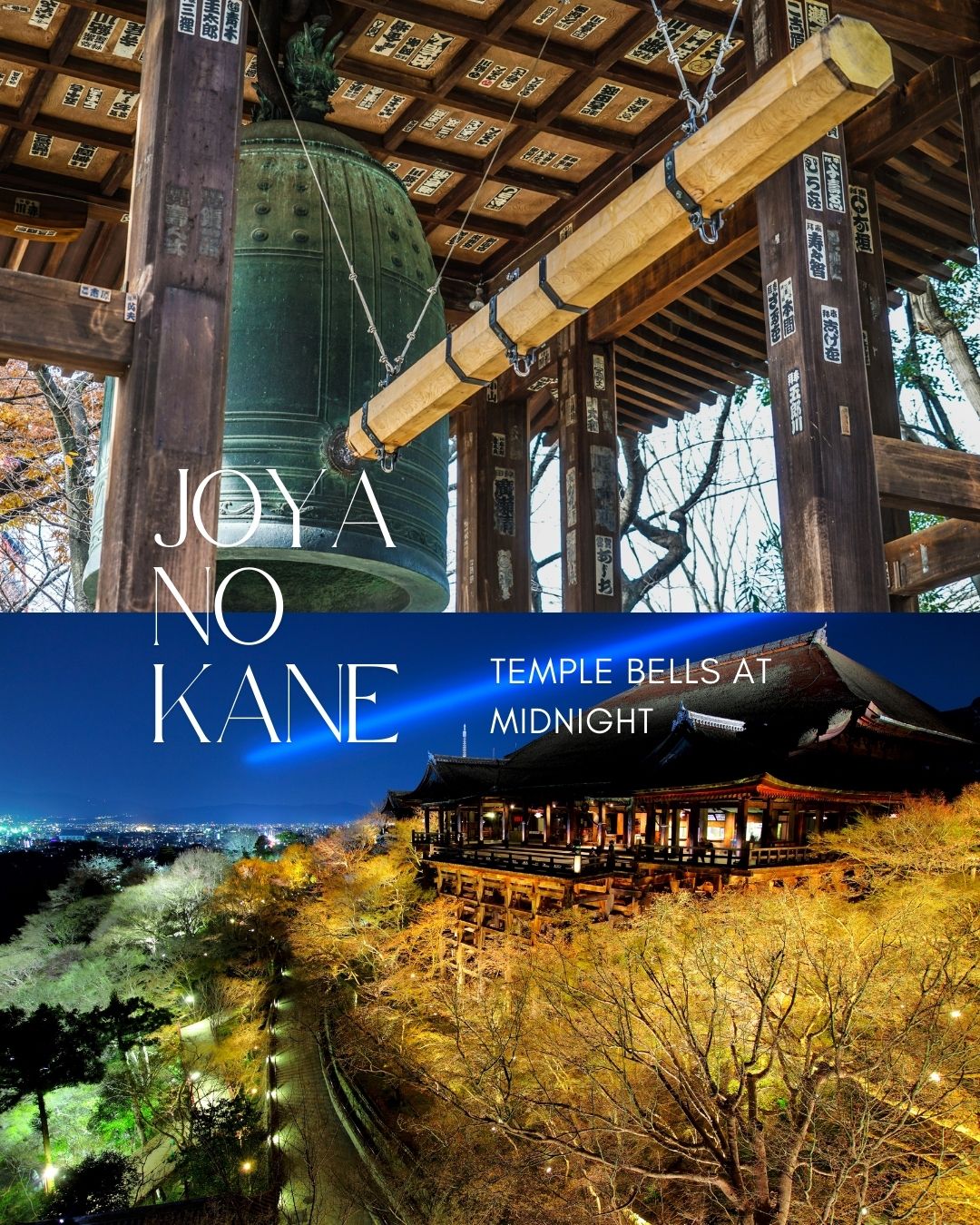
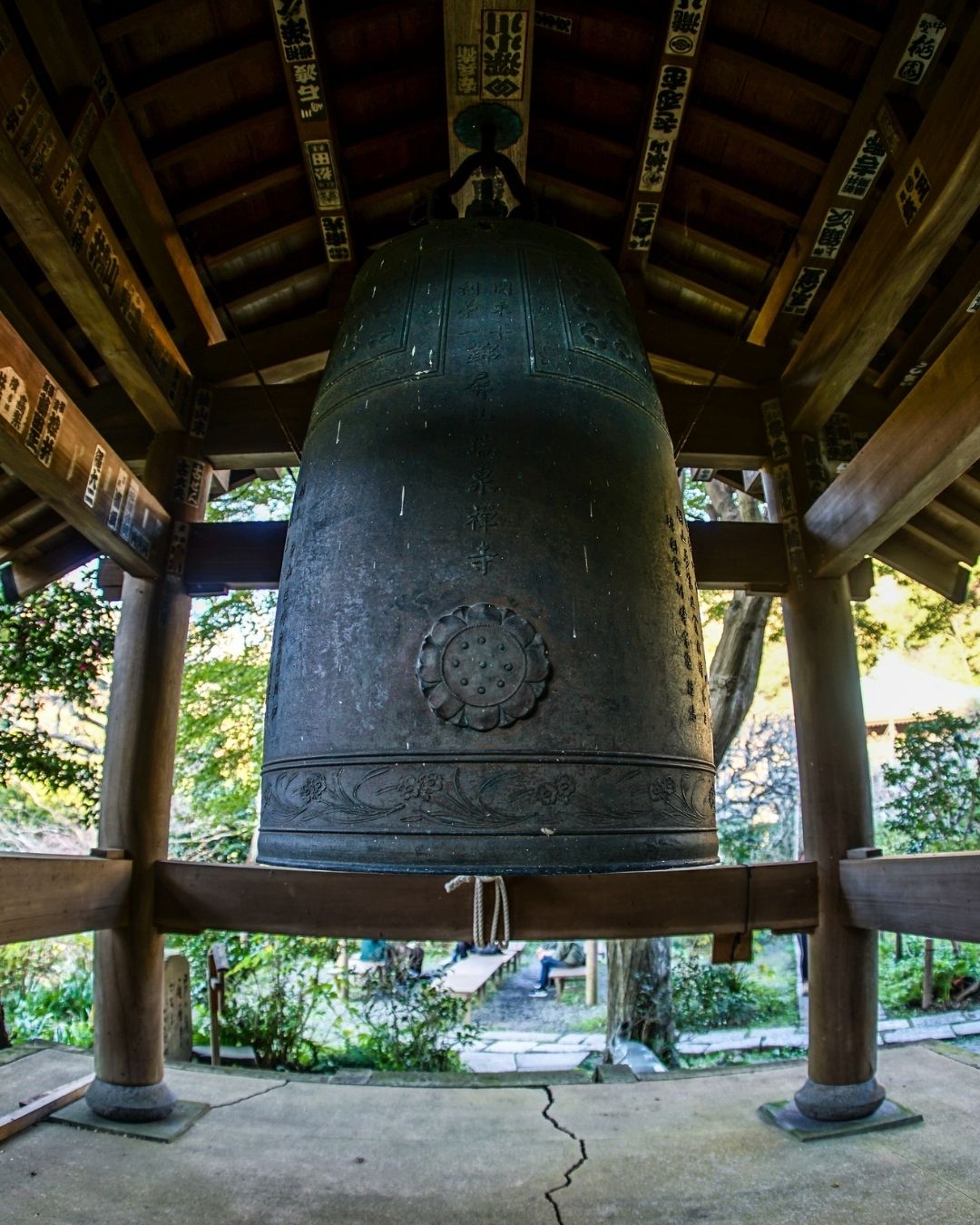
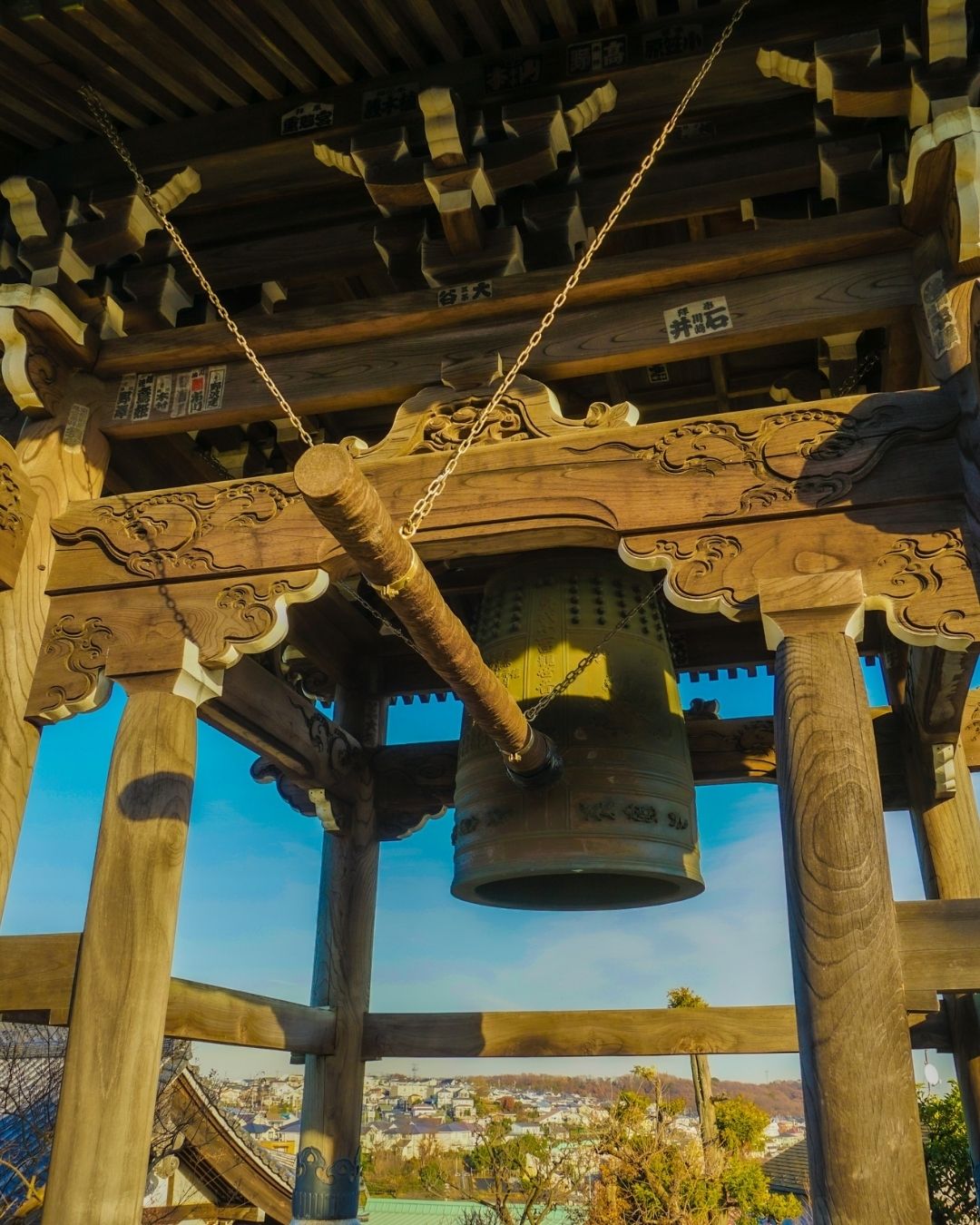
At midnight, temples ring their bells 108 times, each strike releasing one earthly burden. What remains is silence — and clarity.
Chion-in Temple (Kyoto)
Hatsumode — Greeting the New Year
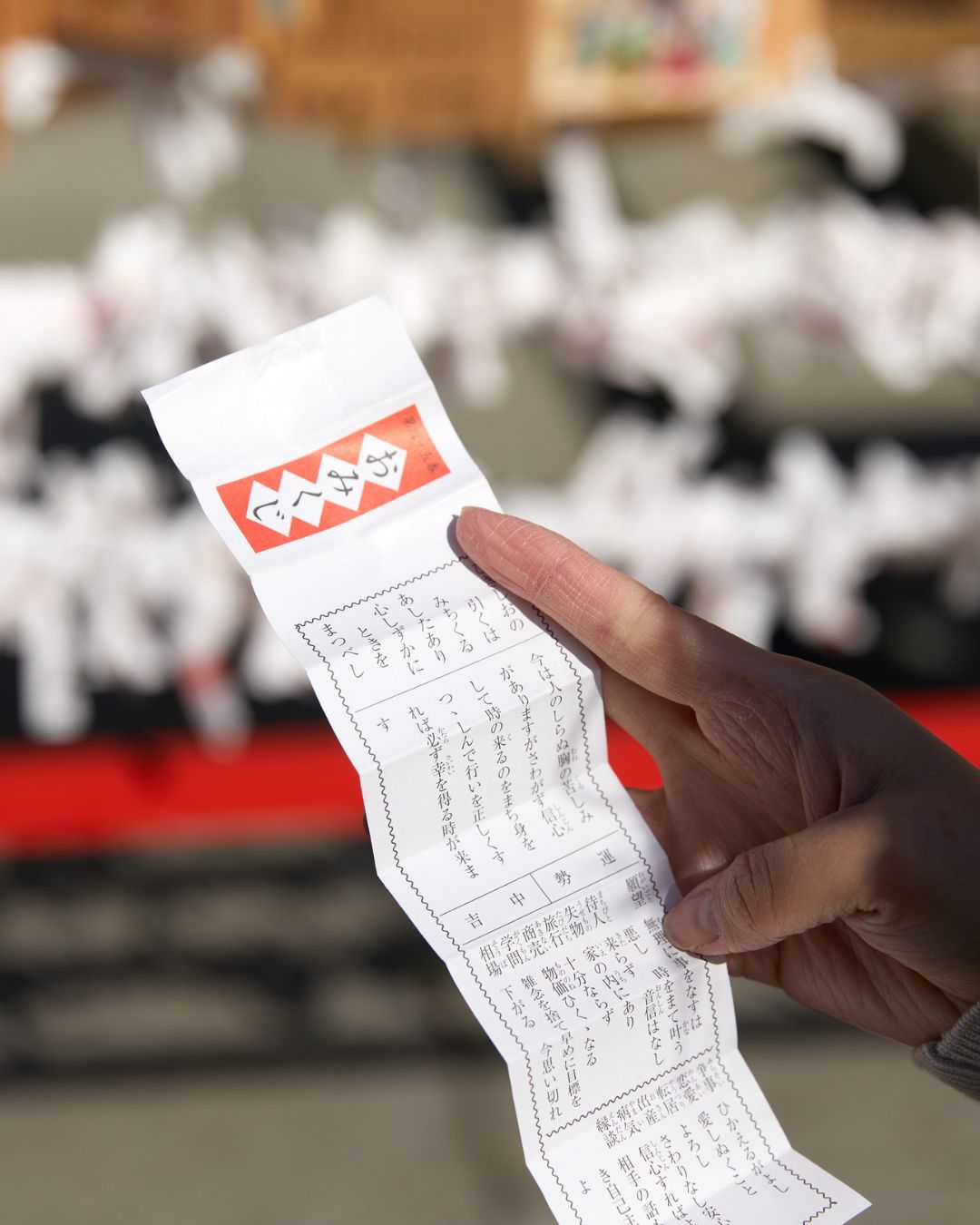
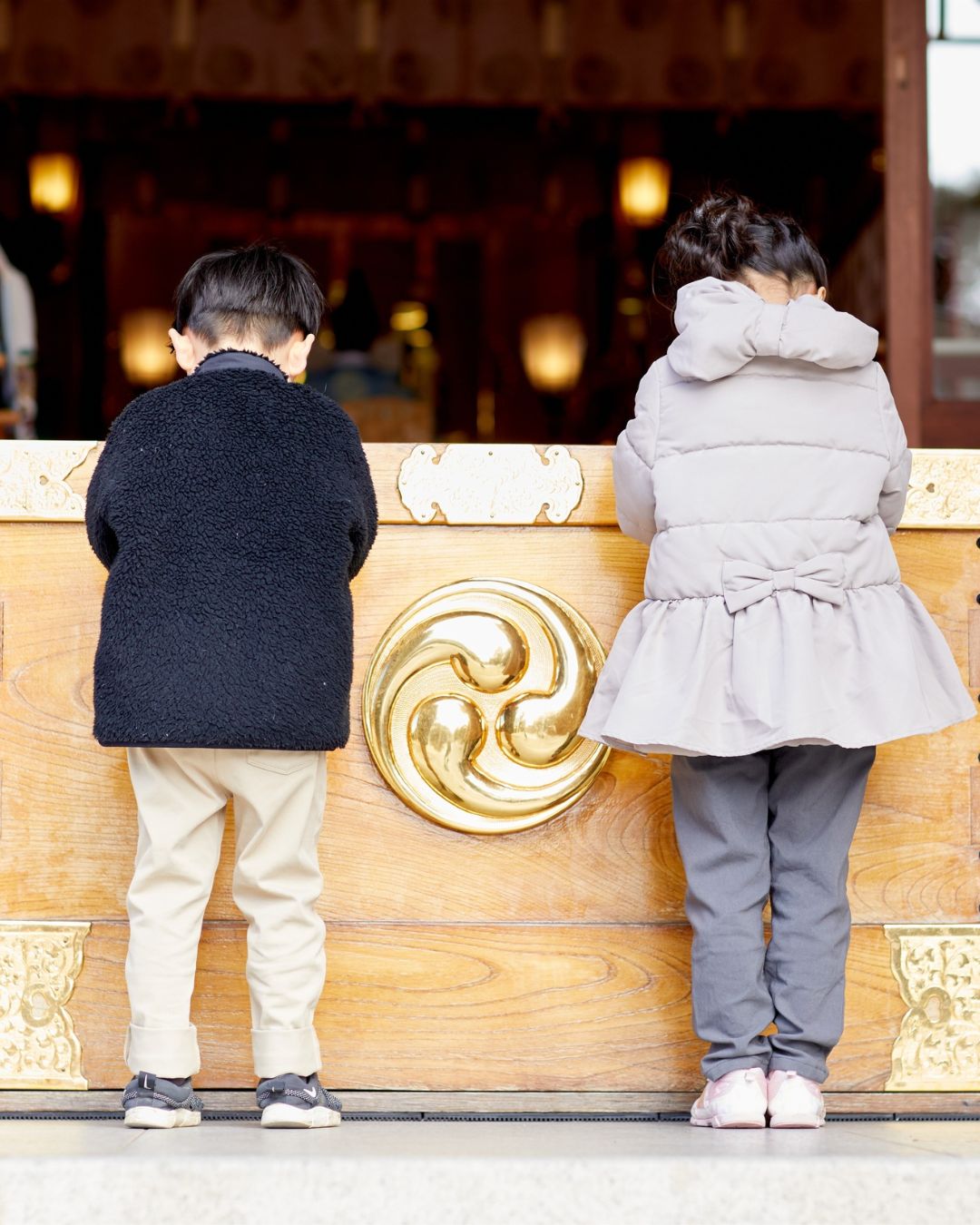
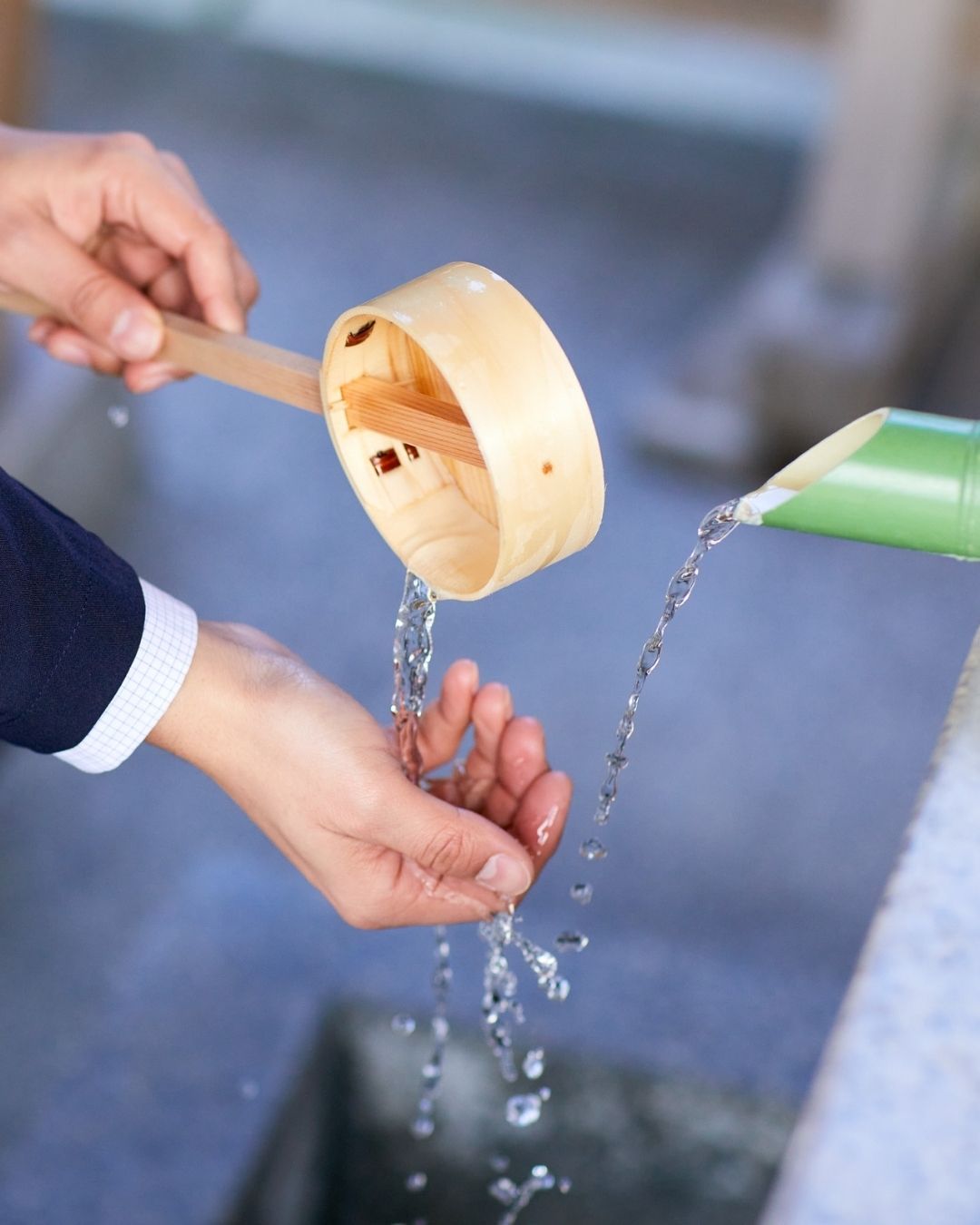
The first shrine or temple visit of the year is not about demanding wishes, but about quietly presenting oneself to the year ahead.
Fushimi Inari Taisha (Kyoto)
Sumiyoshi Taisha (Osaka)
Hiyoshi Daijingu (Kyoto – A Quieter Choice)
Welcome the New Year with Toru Tour
Kansai offers a rare way to welcome the New Year — through stillness, depth, and places shaped by centuries of belief.
Toru Tour curates year-end and New Year experiences that avoid crowds and focus on meaning: traditional soba dinners, serene shrine visits, and thoughtfully timed routes designed for quiet reflection.
If you wish to welcome the New Year not as a tourist, but as a quiet participant in Japanese culture, Toru Tour will guide the way.